WFP Warns That Six Critical Operations Are Facing Significant Food Aid Pipeline Breaks by Year-End
New WFP report, ‘A Lifeline at Risk’, finds that 13.7 million WFP food aid recipients could be pushed into emergency levels of hunger.

New WFP report, ‘A Lifeline at Risk’, finds that 13.7 million WFP food aid recipients could be pushed into emergency levels of hunger.
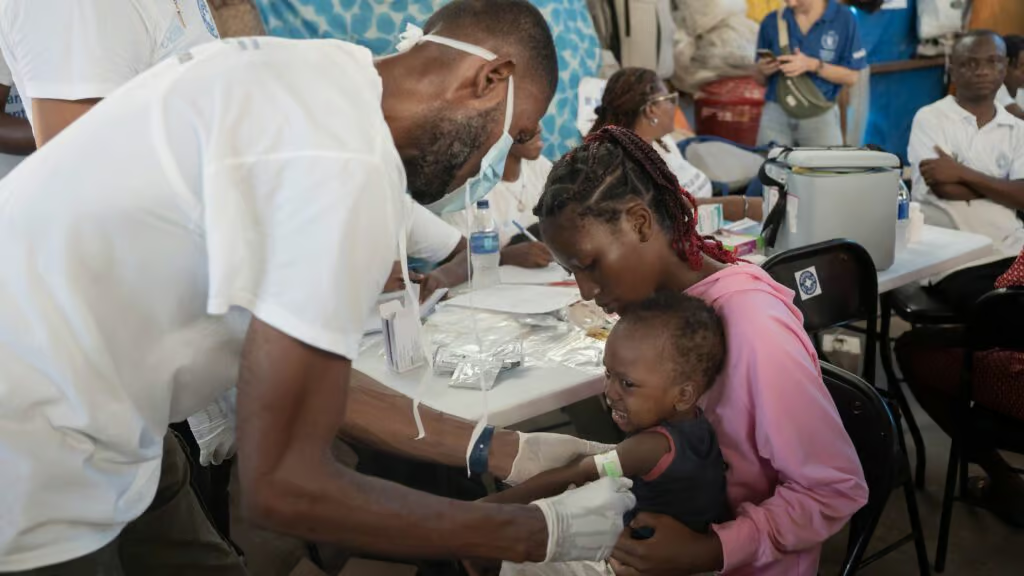
A new World Food Programme hunger analysis reveals alarming levels of child malnutrition and increased hunger in Haiti.
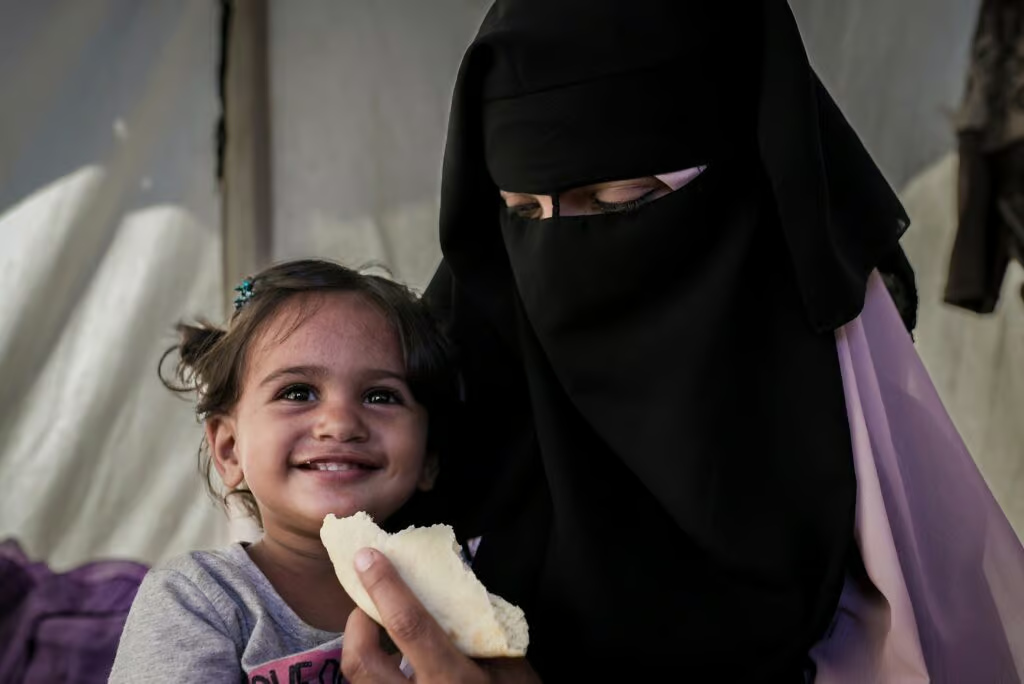
World Food Program USA’s Fall Statement of Impact provides a snapshot of global hunger from May to September 2025 and how the World Food Programme (WFP) responded.
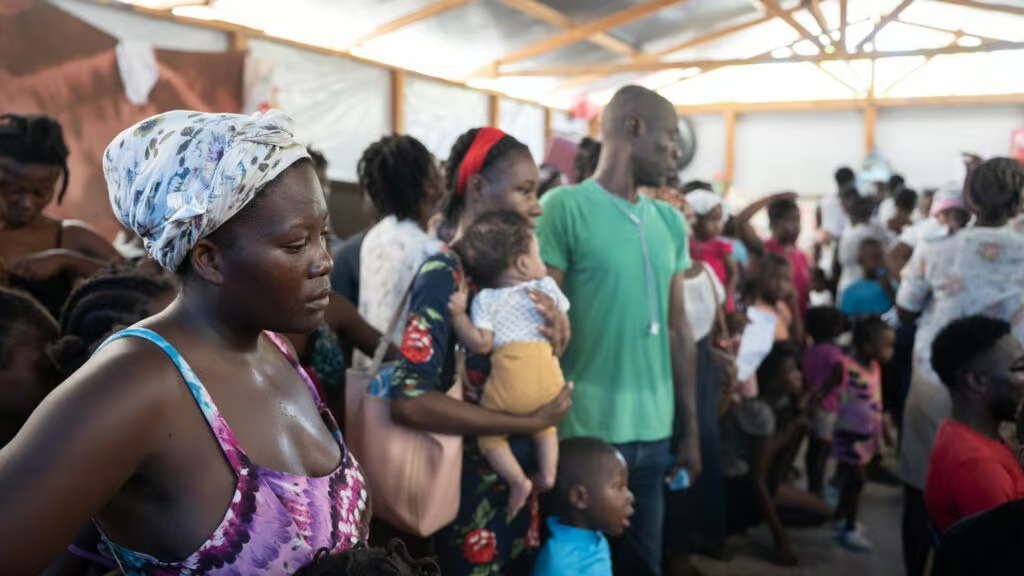
WFP warned today that rising violence by armed groups in Haiti’s capital is restricting humanitarian access and pushing families deeper into hunger.

Janvier Muhima, head of WFP’s office in Port-au-Prince, shares the challenges they face delivering food amidst the violent conflict in Haiti.
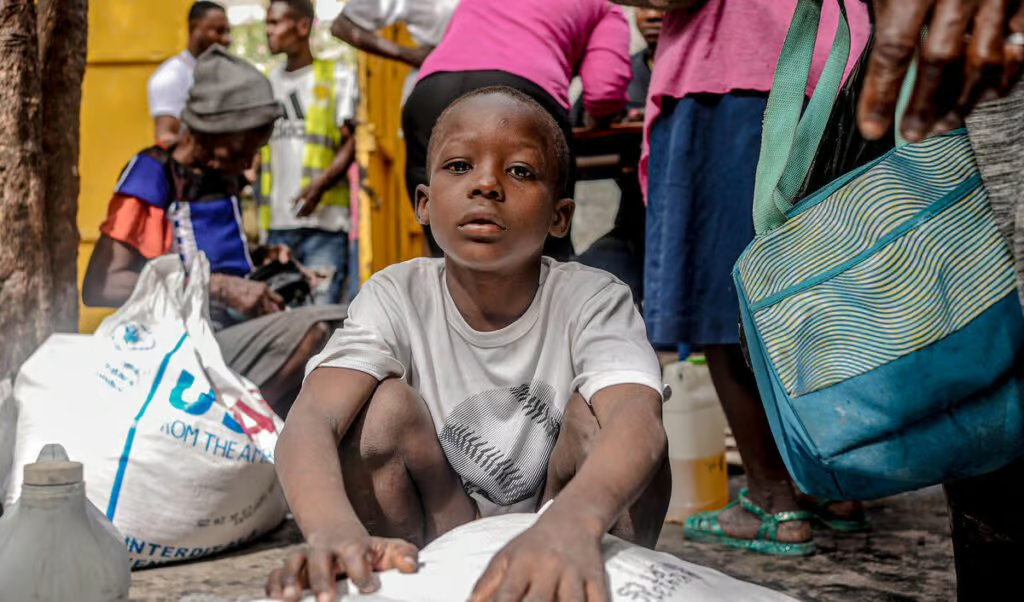
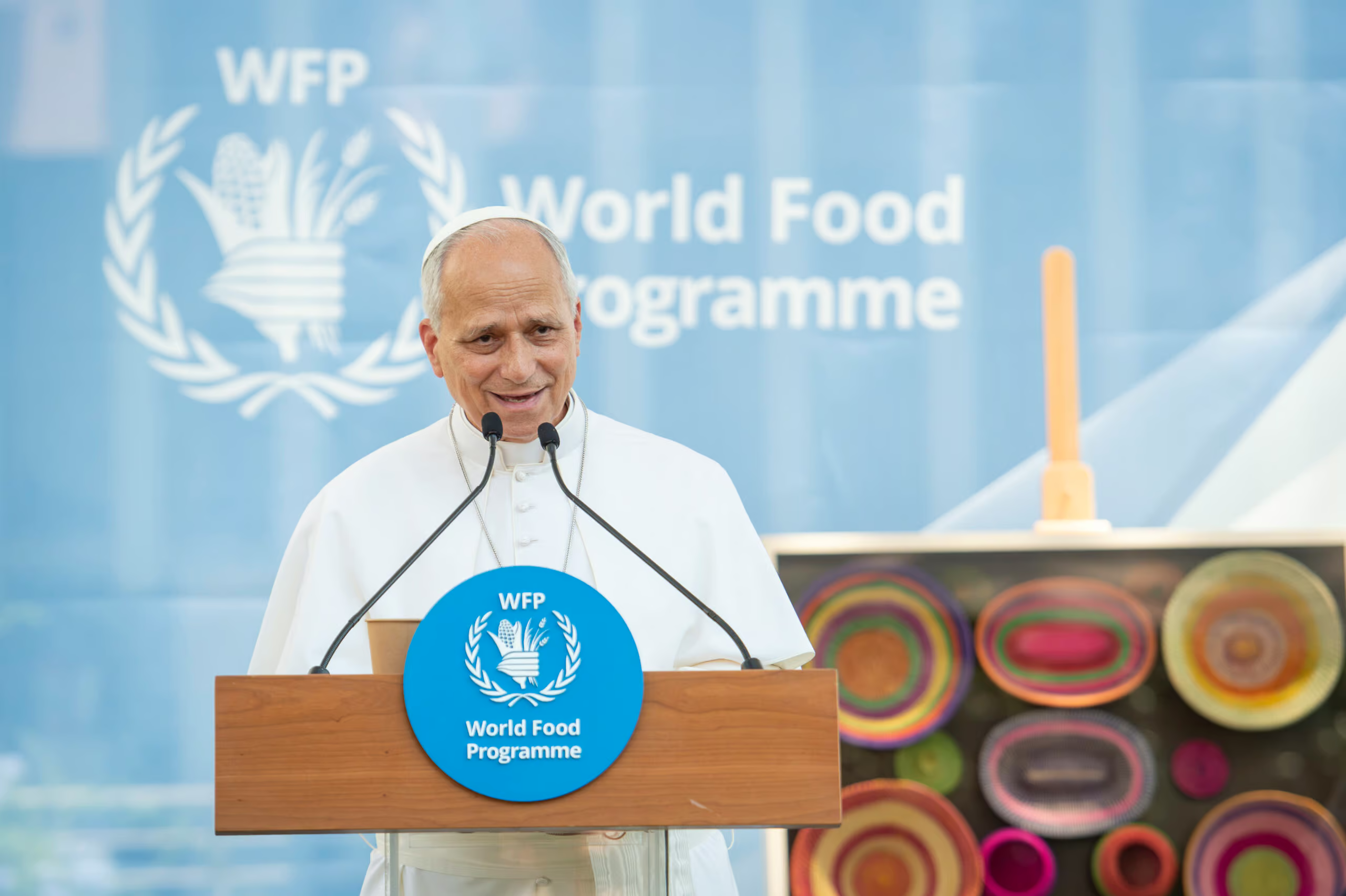
World Food Programme Regional Director in Latin America and the Caribbean Lola Castro speaks on the hunger crisis in Haiti.
5.1 million people in Venezuela urgently need food assistance. WFP is delivering lifesaving aid to the most vulnerable populations.
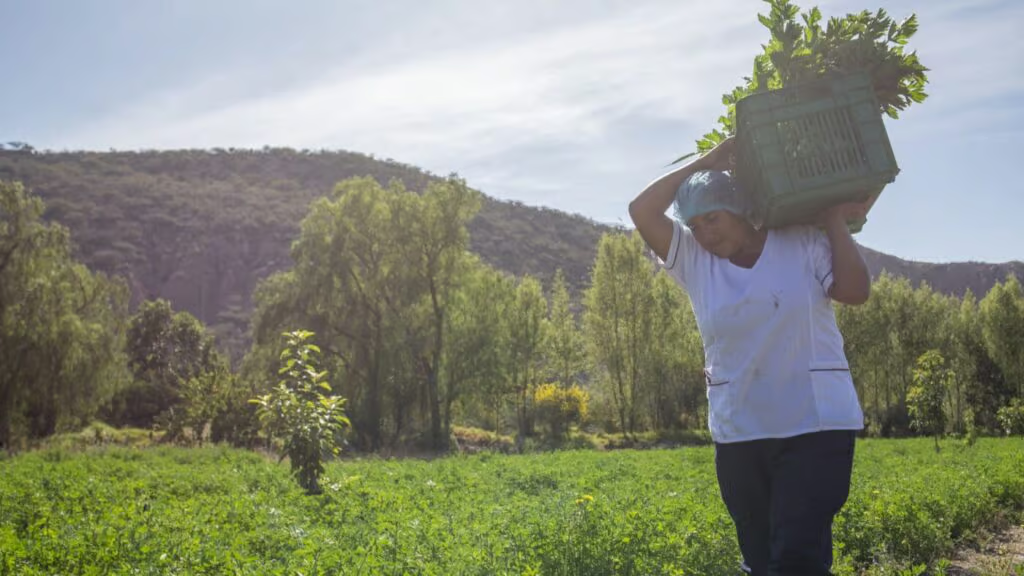
Over the past decade, hunger and poverty have significantly decreased in Peru, though one quarter of the population lives below the poverty line and deep pockets of hunger remain in rural areas of the country.
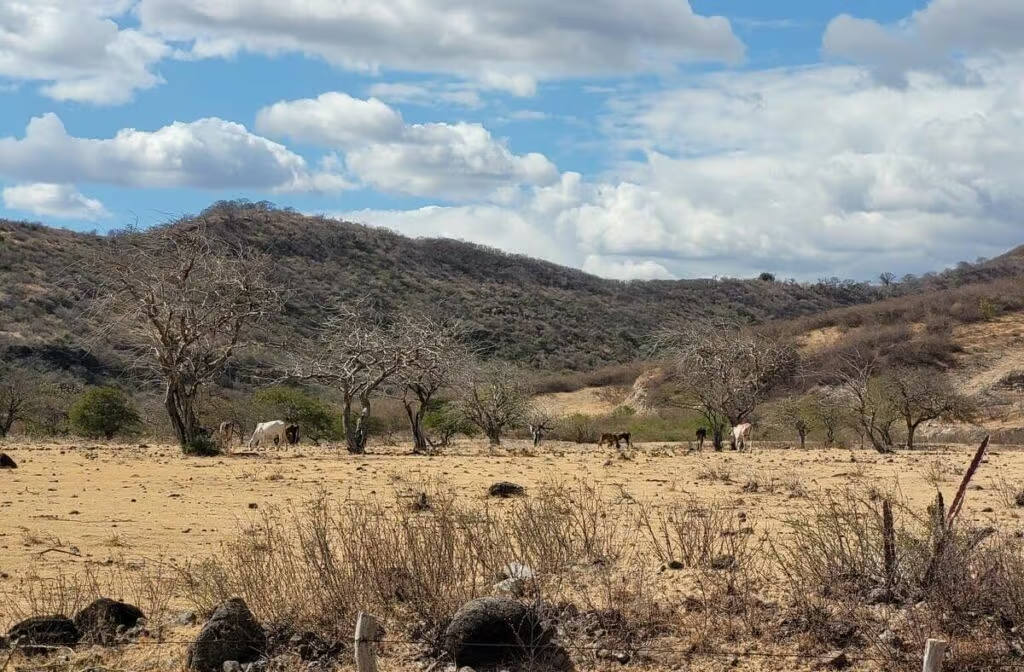
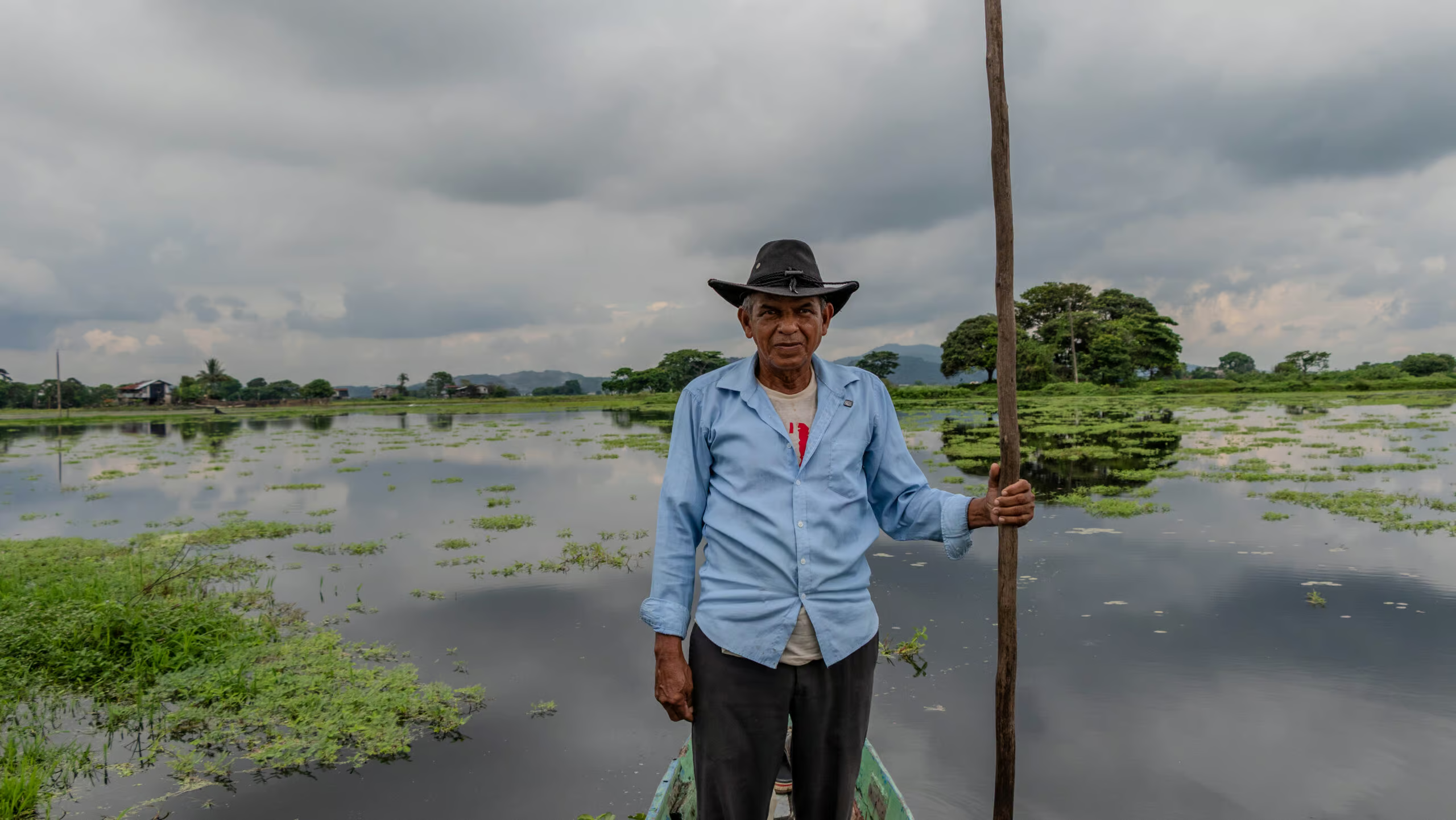
The Dry Corridor is a strip of land across El Salvador, Guatemala, Honduras and Nicaragua that is vulnerable to extreme climate events like long periods of drought, putting livelihoods at risk.
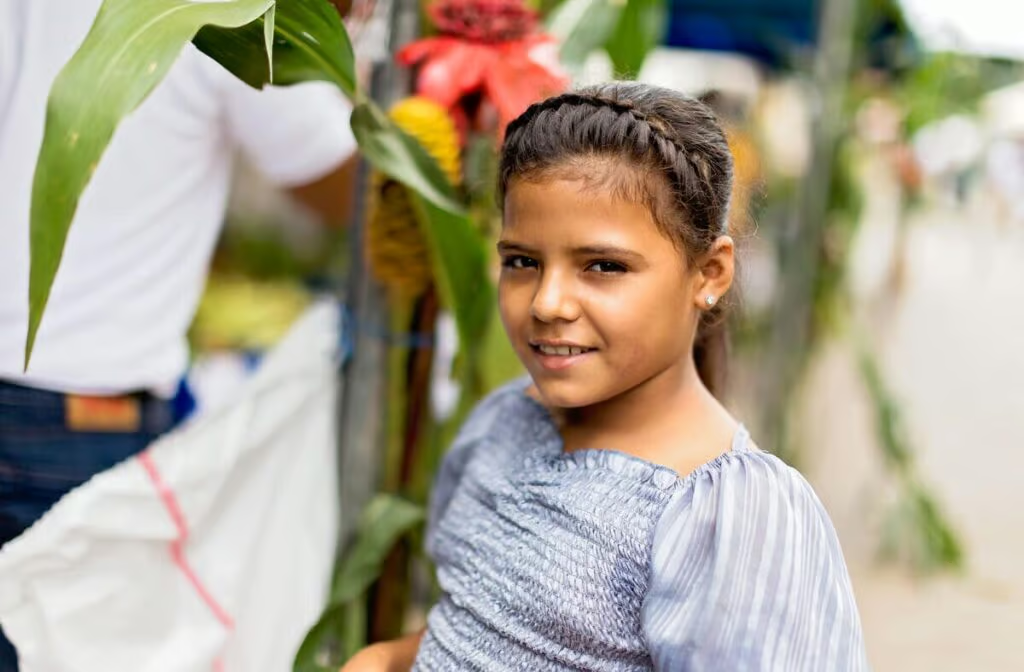
Nicaragua is one of the poorest countries in Latin America, with a full 30% of the population living in poverty.