Algeria
Hunger in Refugee Camps
Refugees in Algeria are suffering from food insecurity and nutritional deficiencies. You can help us deliver lifesaving food and school meals.
Make a difference in Algeria
Hunger Stats
Refugees in Algeria live in harsh desert conditions, which limit their ability to be self-reliant, resulting in food insecurity and malnutrition.
5
camps for Western Saharan refugees
78%
of Sahrawi refugees are food insecure
53.5%
of women suffer from anemia today
Algeria Facts
New York
Show Places

New York
×
Geocoding Error Occured.
Tried to Geocode:
Error Type:
Please be sure to follow the tutorial on how to setup the Google APIs required for the Advanced Google Map Widget.
Google Map API Key Tutorial
Population: 46.8 Million
Background: Algeria gained its independence in 1962. There was internal conflict in the 1990’s, and in recent years, social unrest demanding reforms.
Geography & Climate: Algeria is located in North Africa. Its terrain is dominated by the Sahara Desert, which covers about 80% of its land area, along with mountains and narrow coastal plains. Algeria’s climate ranges from Mediterranean on the coast to hot, arid desert conditions in the interior.
Economy: Algeria’s economy is heavily dependent on oil and natural gas, which account for 90% of export revenues. It face high unemployment and inflation.
Causes of Hunger
Conflict & Displacement
Hunger among refugees in Algeria stems largely from the long-standing displacement of Sahrawi refugees, who have lived in isolated desert camps near Tindouf since 1975 with extremely limited access to livelihoods or agriculture. The harsh climate and economic isolation have left refugees highly dependent on humanitarian aid, primarily from the World Food Programme (WFP), which has provided food and nutrition support since 1986. However, malnutrition and anemia remain widespread, especially among children and women. The status quo has fueled frustration and disillusionment, especially among young people.
Learn More Extreme Weather
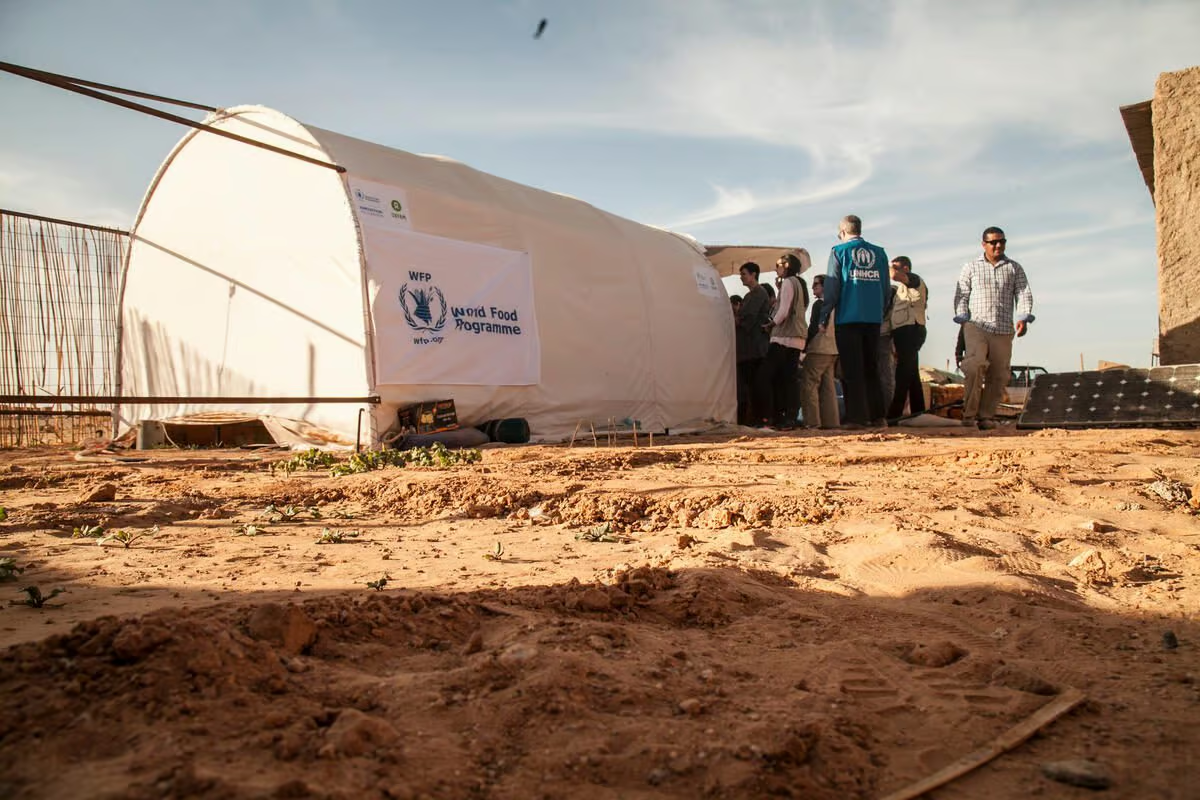
The Sahrawi refugees live in five camps near the town of Tindouf in Western Algeria, characterized by extreme heat and very low rainfall. The harsh and isolated desert limits livelihood and economic opportunities, leaving the refugees highly dependent on humanitarian assistance. Thirty percent of Sahrawi refugees are food insecure.
Learn More
History of Hunger in Algeria
1954-1962
The war for independence devastated Algeria’s agricultural sector, leading to widespread hunger.
1975-1976
When Spain withdrew from Western Sahara, conflict erupted forcing tens of thousands of Sahrawis to flee into southwestern Algeria, where they settled in refugee camps near Tindouf. The Algerian government granted them land, establishing 5 main refugee camps.
1991-2002
A long civil war caused mass displacement and hunger, with many regions facing severe food shortages due to the conflict.
1990's - Present
In 1991, a ceasefire was established in Western Sahara, but no long-term political solution. So for decades, Sahrawi refugees remain in limbo - stuck in the refugee camps in Algeria with no place to go.
WFP’s Work in Algeria
Despite extreme weather, conflict and poverty in Algeria, the World Food Program is delivering food to 138,000 million people in need, particularly the Sharawi refugees living in camps near Tindouf. We’ve been there since 1986, and we are committed to ending hunger in Algeria.
Food & Cash
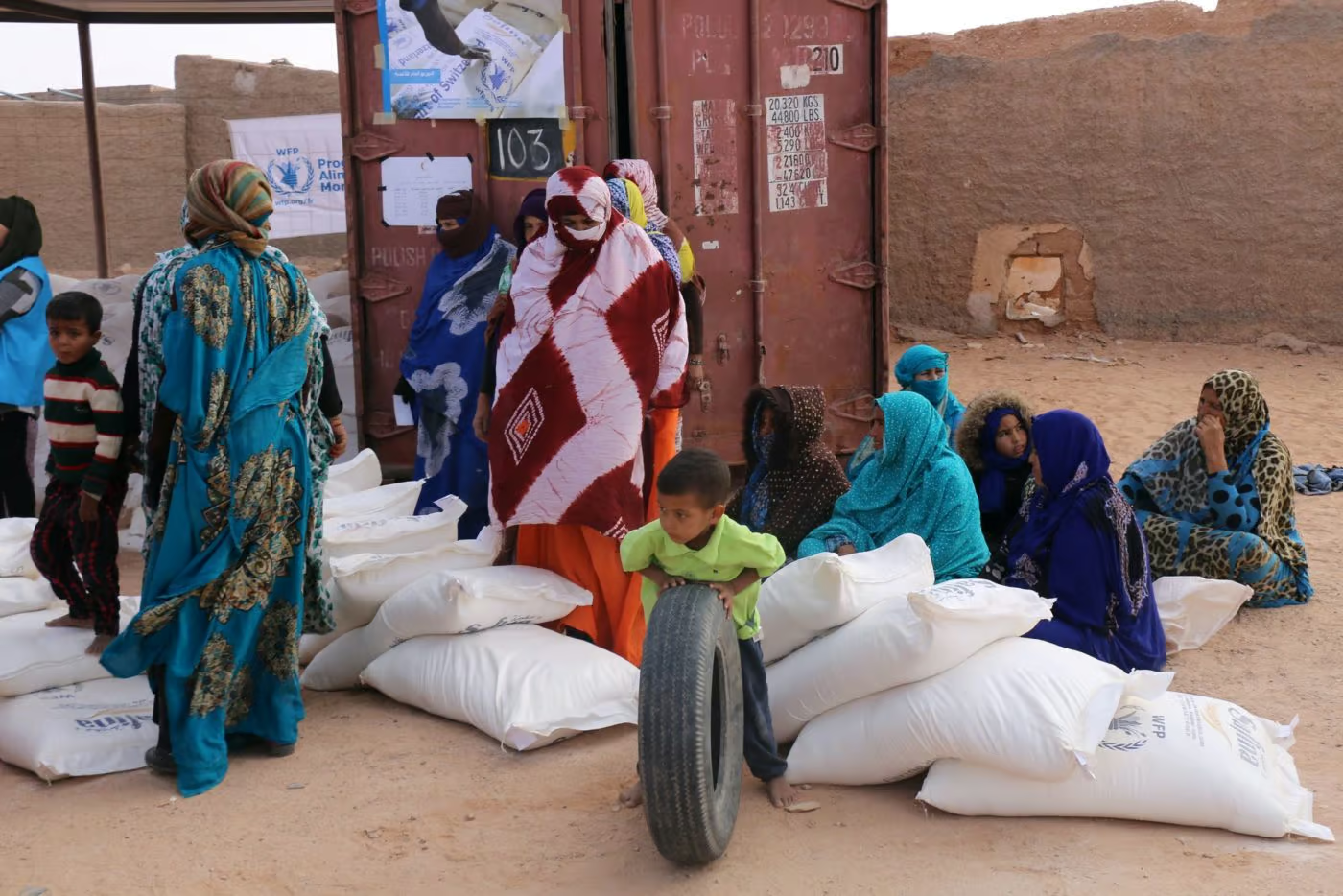
WFP distributes approximately 134,000 food rations monthly to meet the basic food and nutritional needs of refugees. The food basket includes cereals, pulses, sugar, vegetable oil and blended food.
Nutrition
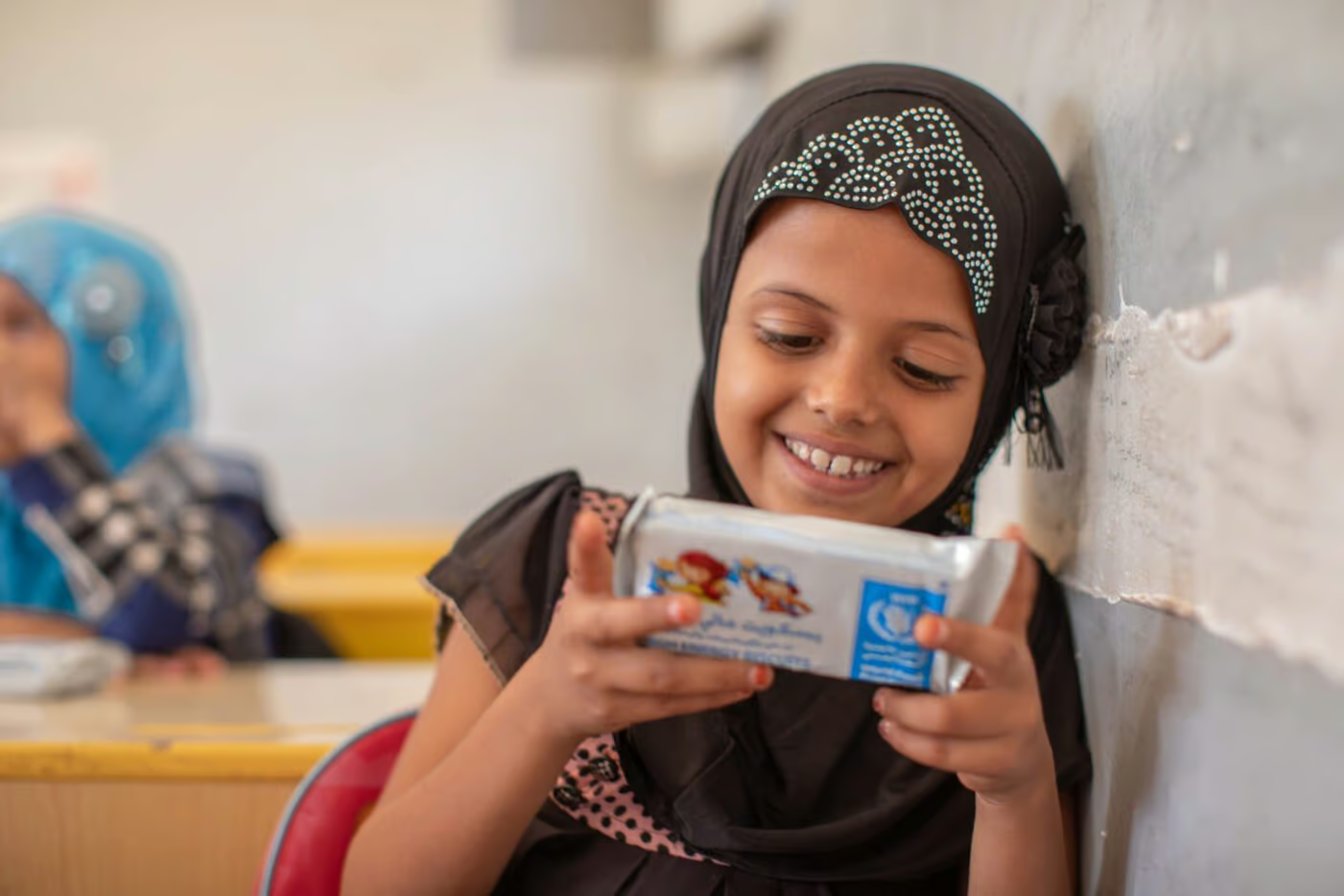
WFP provides specialized nutritious food and monthly value voucher nutrition top-ups for pregnant and breastfeeding women. This helps prevent and manage malnutrition among women and children aged 6 to 59 months.
School Meals
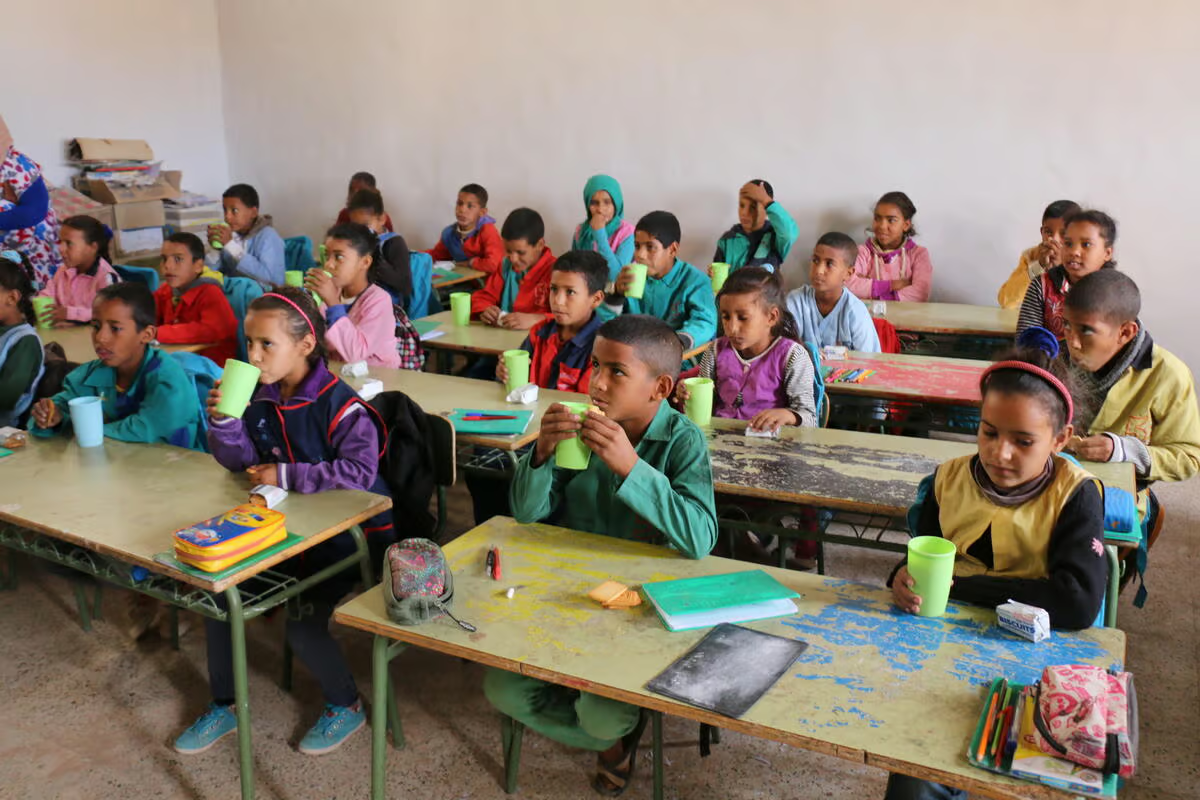
To encourage school attendance, WFP offers daily mid-morning snacks, such as gofio porridge and high-energy biscuits, to around 40,000 children in kindergartens, primary schools, intermediary schools, special-needs centers and koranic schools.
Resilience Building
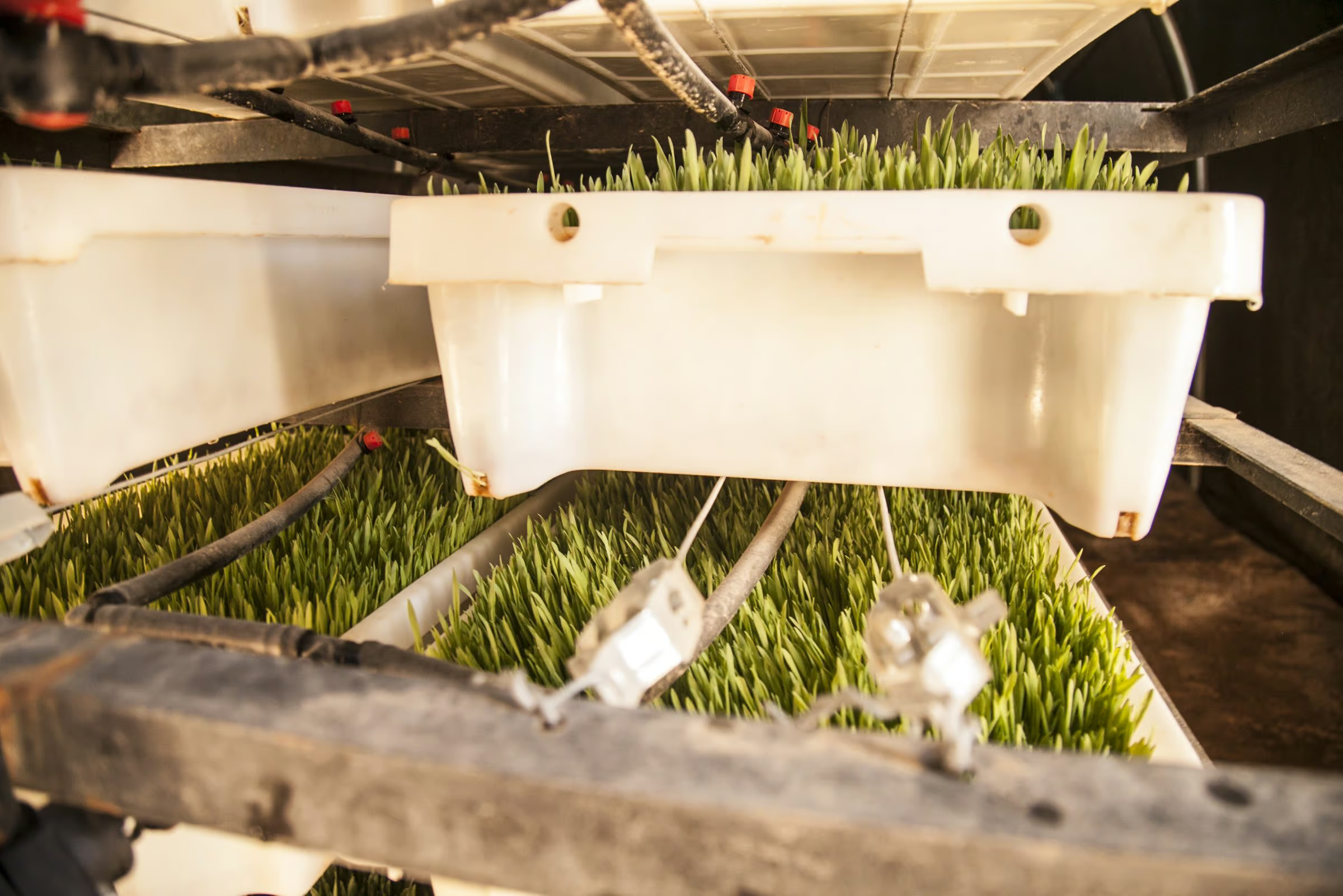
WFP implements activities to improve food security and nutrition by providing livelihood opportunities in the refugee camps.
Latest News From Algeria
- News Release
- April 23, 2020
- Blog
- October 7, 2017