WFP Executive Board Sees Lifesaving Work in Cox’s Bazar
Under a partnership with IOM and UNHCR, WFP has built 50,000 sqm of new roads, repaired 85,000 sqm of existing roads and stabilized 280,000 sqm of slopes.

Under a partnership with IOM and UNHCR, WFP has built 50,000 sqm of new roads, repaired 85,000 sqm of existing roads and stabilized 280,000 sqm of slopes.
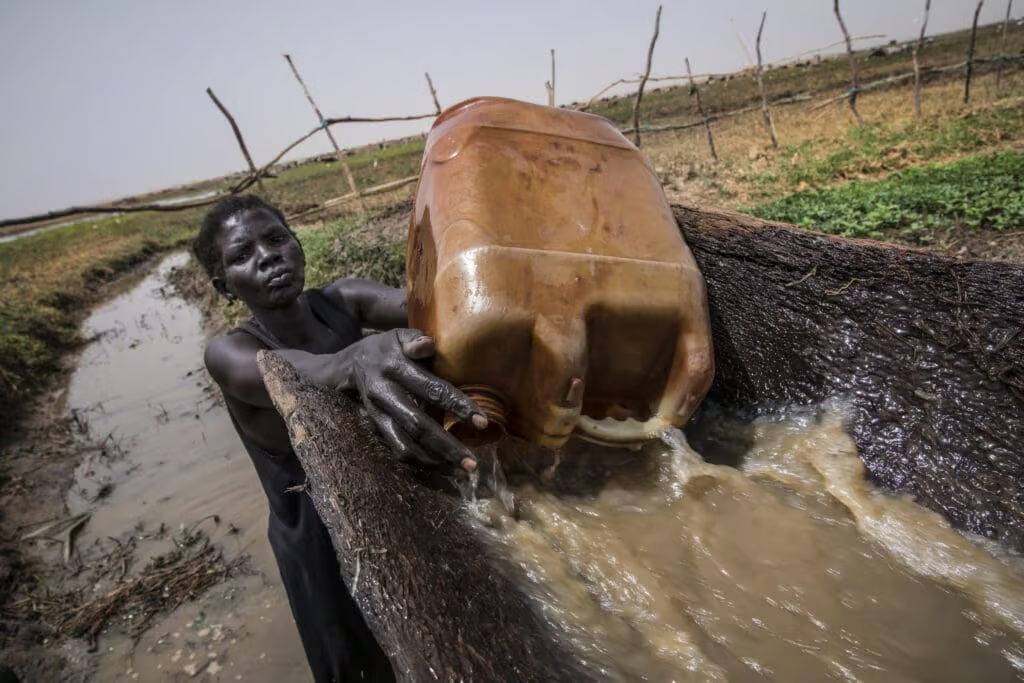
Extreme weather events are rapidly increasing hunger and malnourishment. From hurricanes and flooding to droughts and desertification, these six stories portray the very real, very human impacts of a warming world.
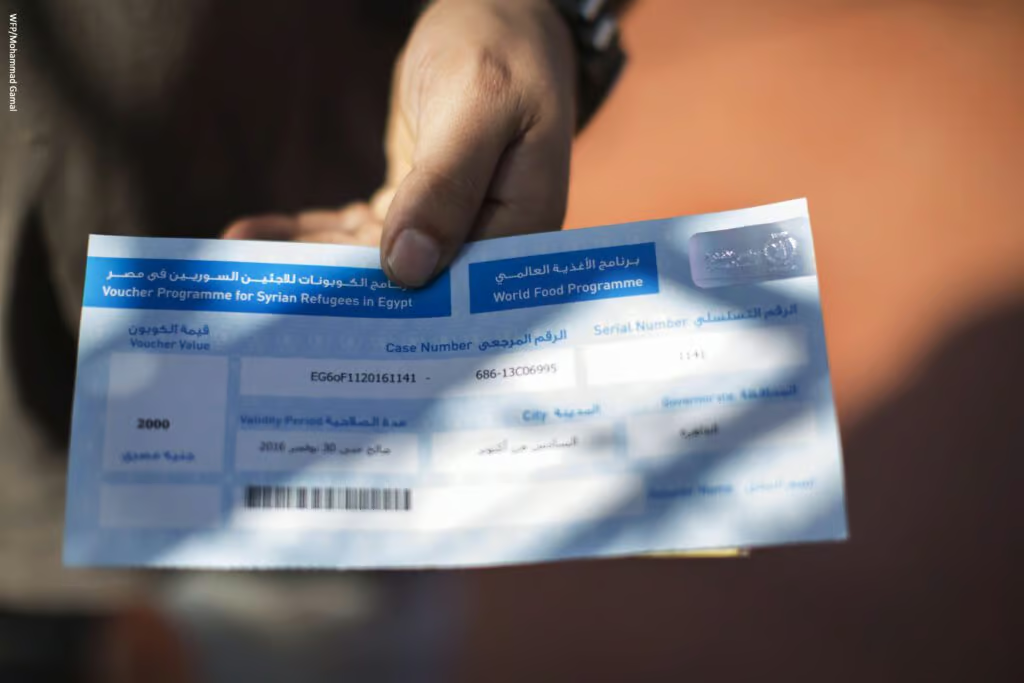
These policies will deliver funds to people threatened by drought before it reaches catastrophic levels. Collectively, the purchased policies could release a total of $49.5 million across five countries.

With more than 700 rivers, Bangladesh is increasingly seeing the impact of climate change. To help, 5,000 households have now received $53 through an innovative forecast-based financing project.

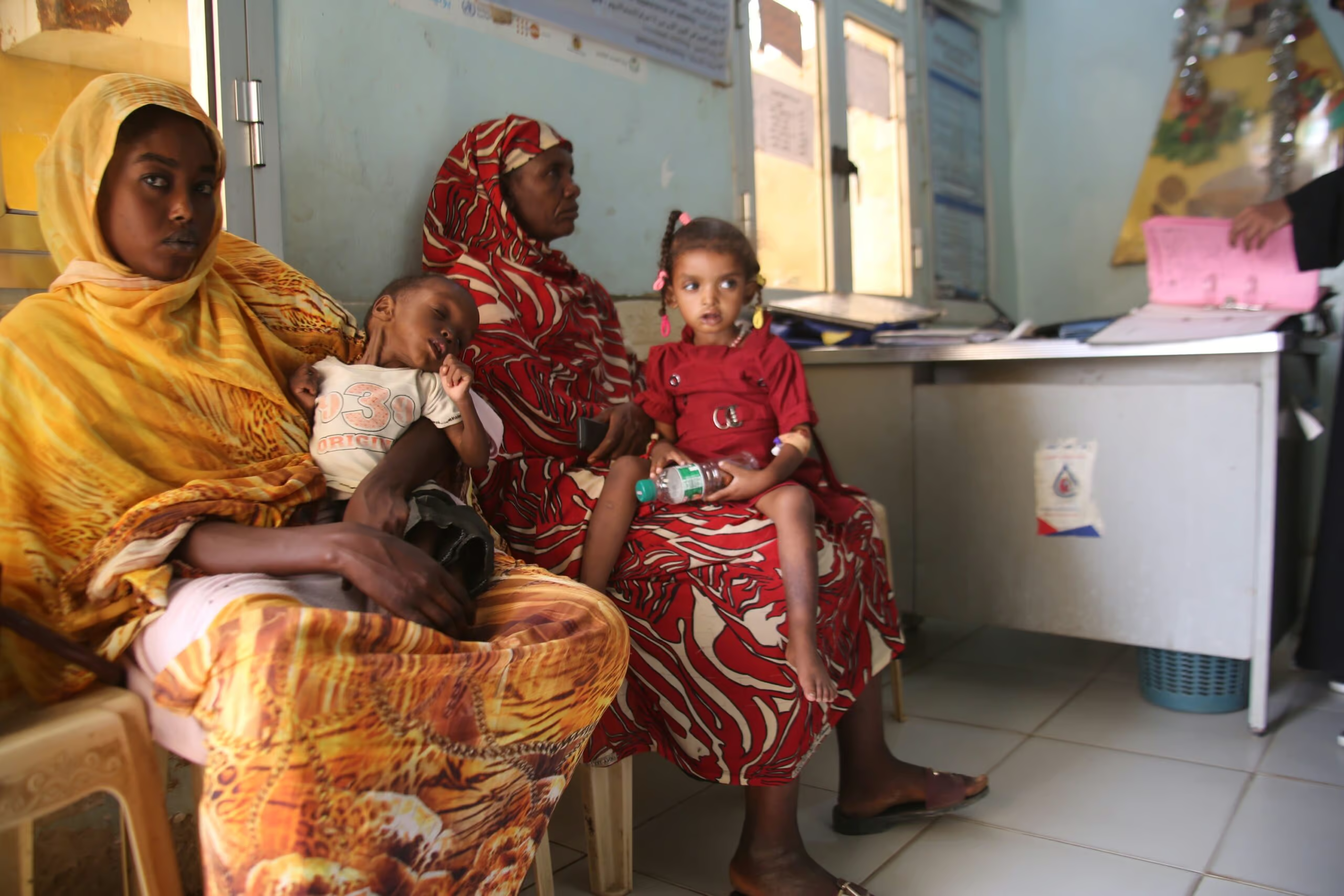
Ongoing drought in Somalia means families are facing severe hunger, struggling to adapt and looking for any way to continue their everyday lives.
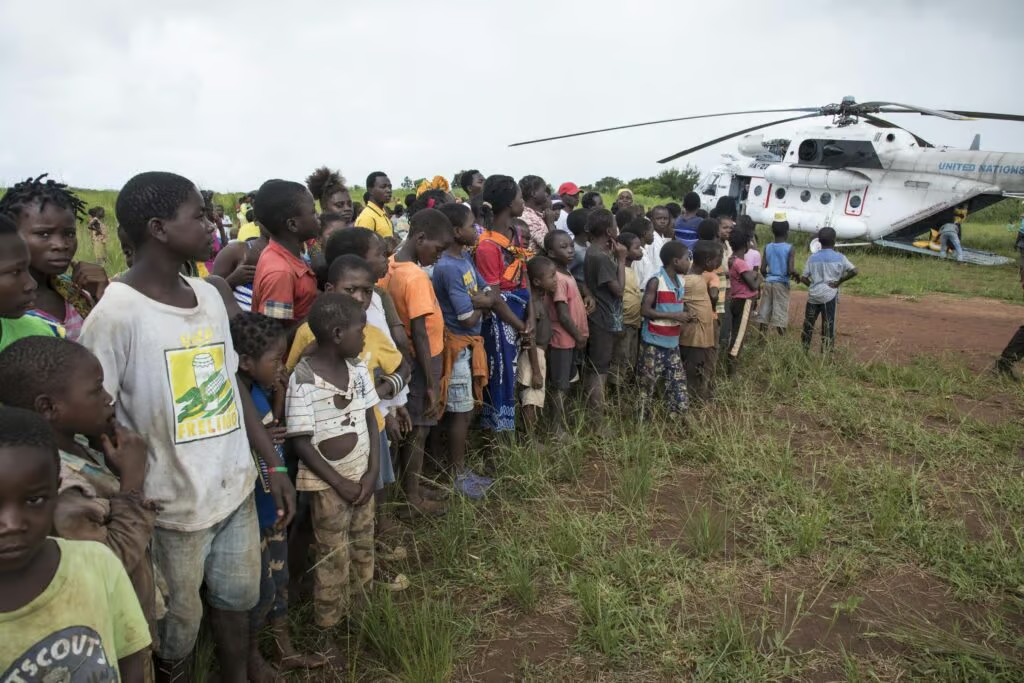
In times of disaster, WFP responds immediately to meet the need. Here’s how we’re responding to Cyclone Kenneth, and how you can help.

“The water level rose up to our elbows. My husband and I were carrying our children in our arms…We were trapped.”

Almost 60 WFP staff have been deployed to Mozambique and 45 more are on the way. WFP requires $140 million to continue life-saving operations for the next three months.
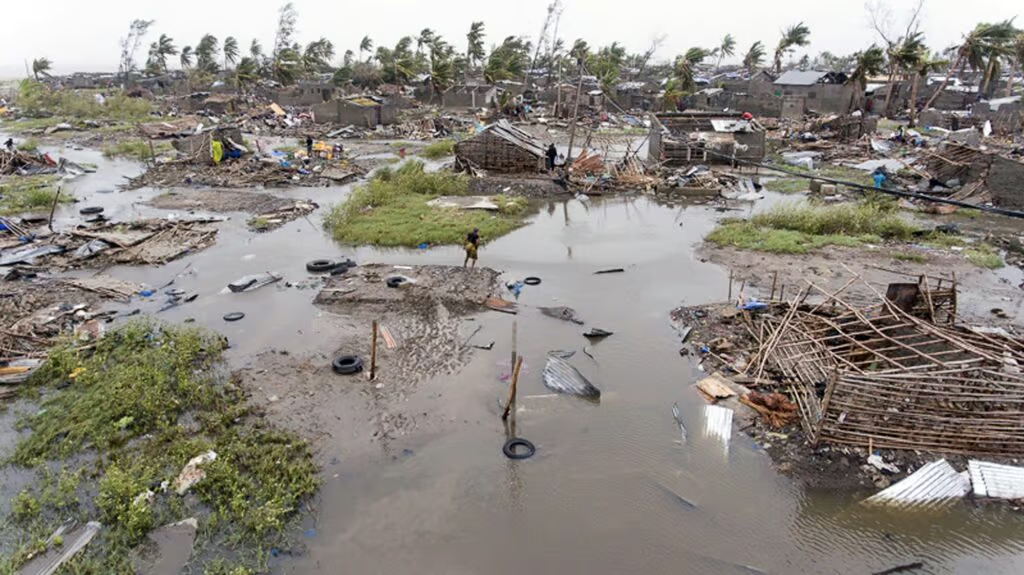
The cyclone that hit Mozambique, Zimbabwe and Malawi has destroyed homes, schools, businesses and essential infrastructure. Survivors have lost everything and need our help.
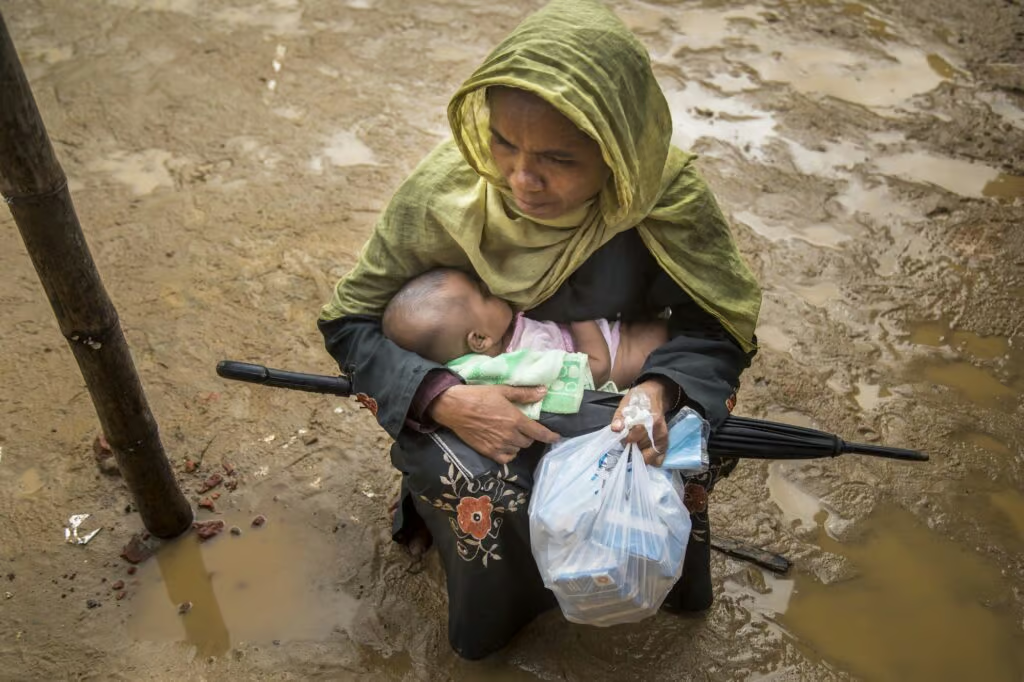
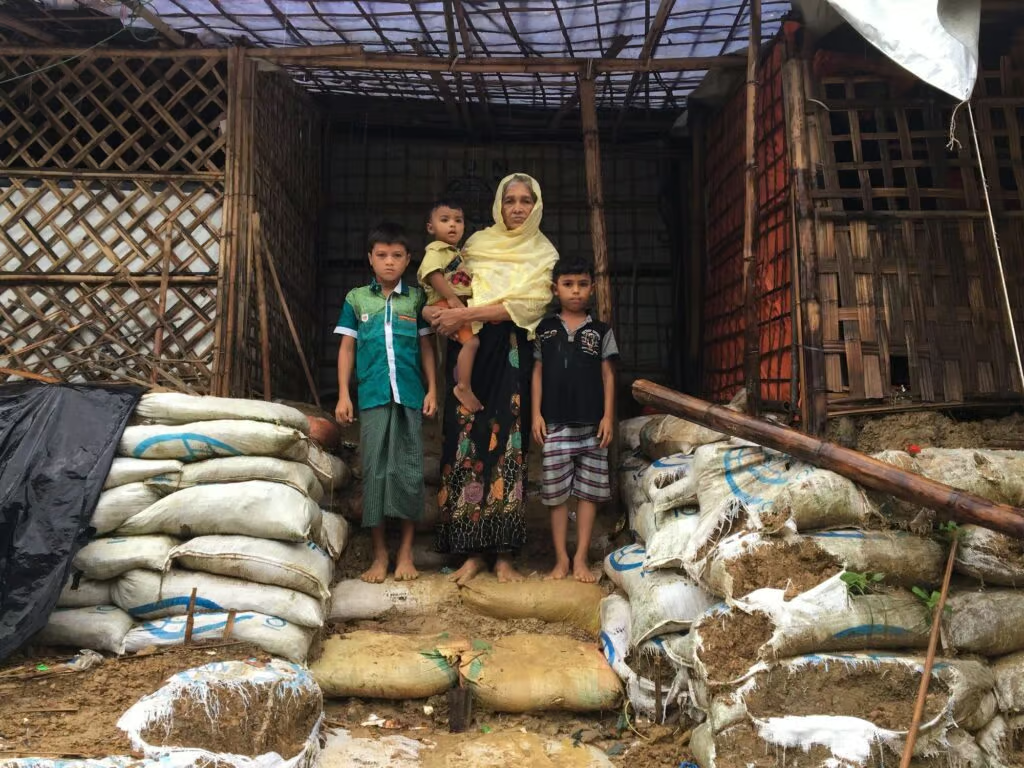
More than 900,000 refugees still call Bangladesh home–one year after the majority fled escalating violence in western Myanmar.