Health and Humanitarian Air Lifeline Under Threat as Funds Run Out
WFP is moving huge volumes of supplies around the world to fight the pandemic. But without substantial funding, this work could come to a halt before the end of July.

WFP is moving huge volumes of supplies around the world to fight the pandemic. But without substantial funding, this work could come to a halt before the end of July.
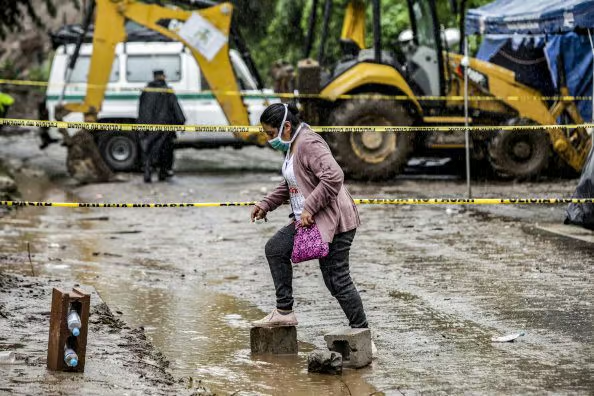
A destructive tropical storm is pushing even more people into hunger in El Salvador. Here’s how WFP is helping.
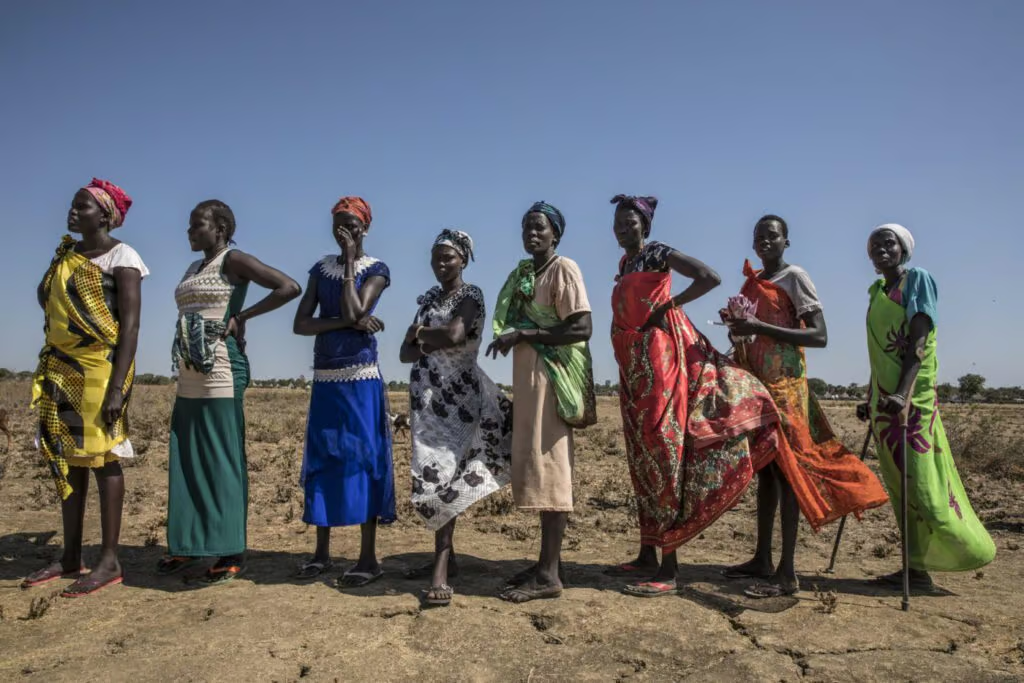
A newly re-opened route from Kenya is helping WFP get essential food aid to struggling areas of South Sudan for the first time since 2018.
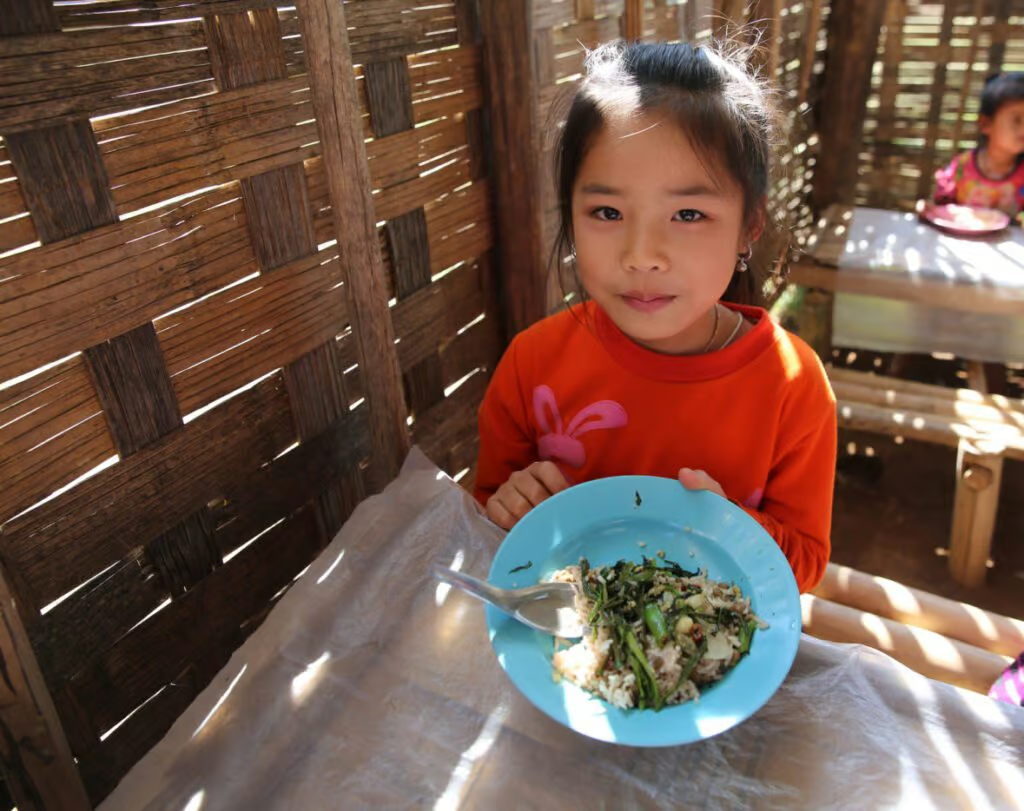
A shipment of rice and lentils has arrived to Laos from the US: the donation will feed kids in Laos once schools reopen in September.
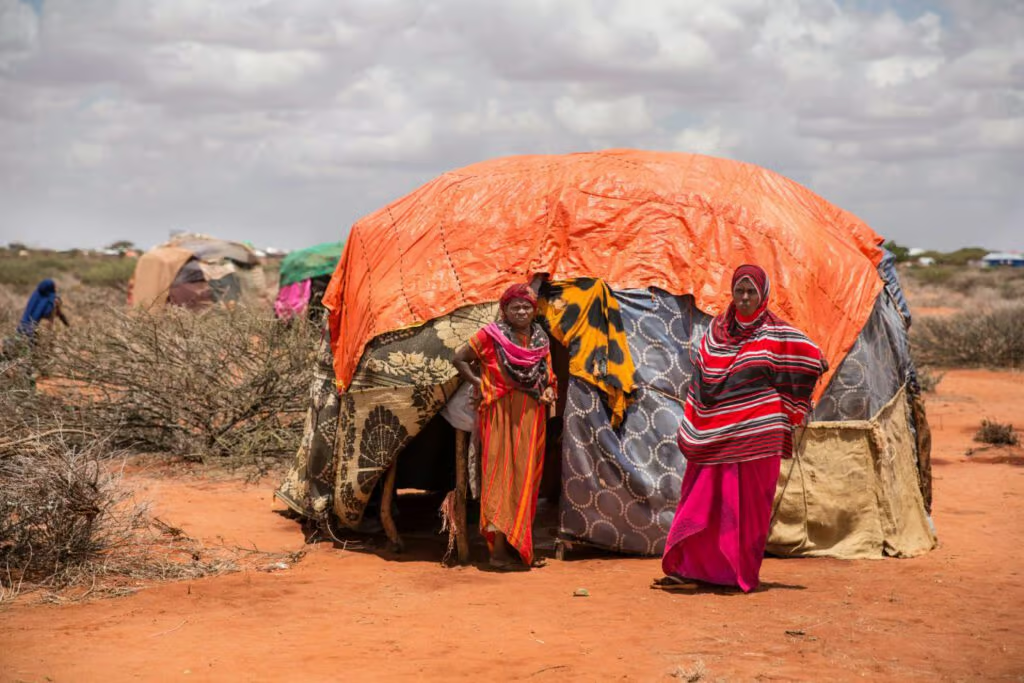
The socio-economic impact of coronavirus in East Africa and the Horn could kill more people than the pandemic itself.
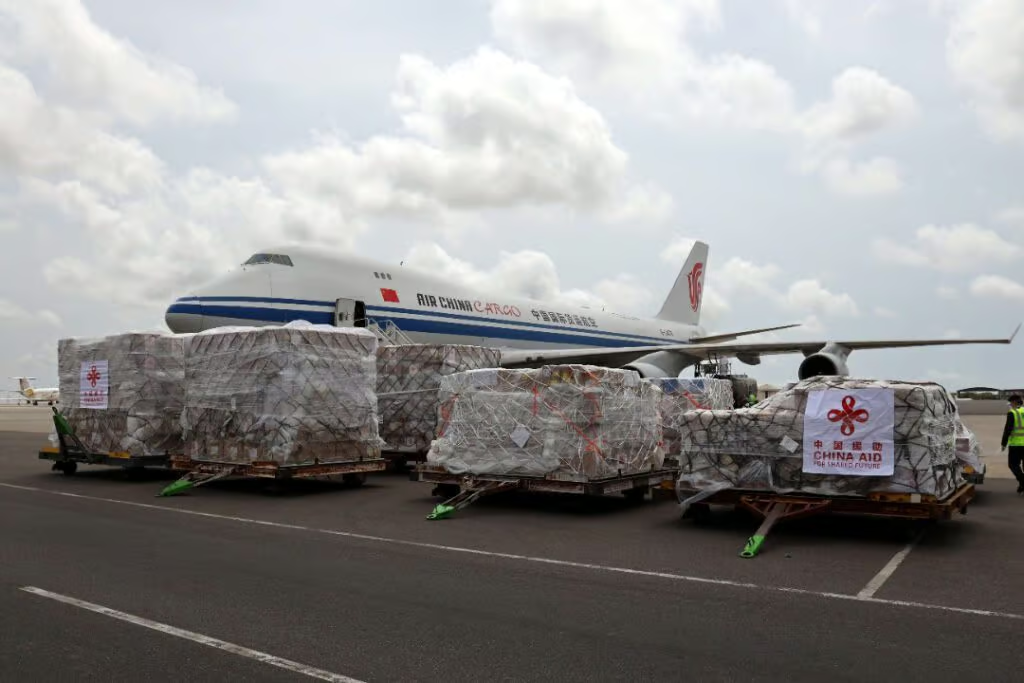
It’s part of a global hub-and-spokes flight system for medical and humanitarian supplies, transporting health workers to the front lines of the pandemic.
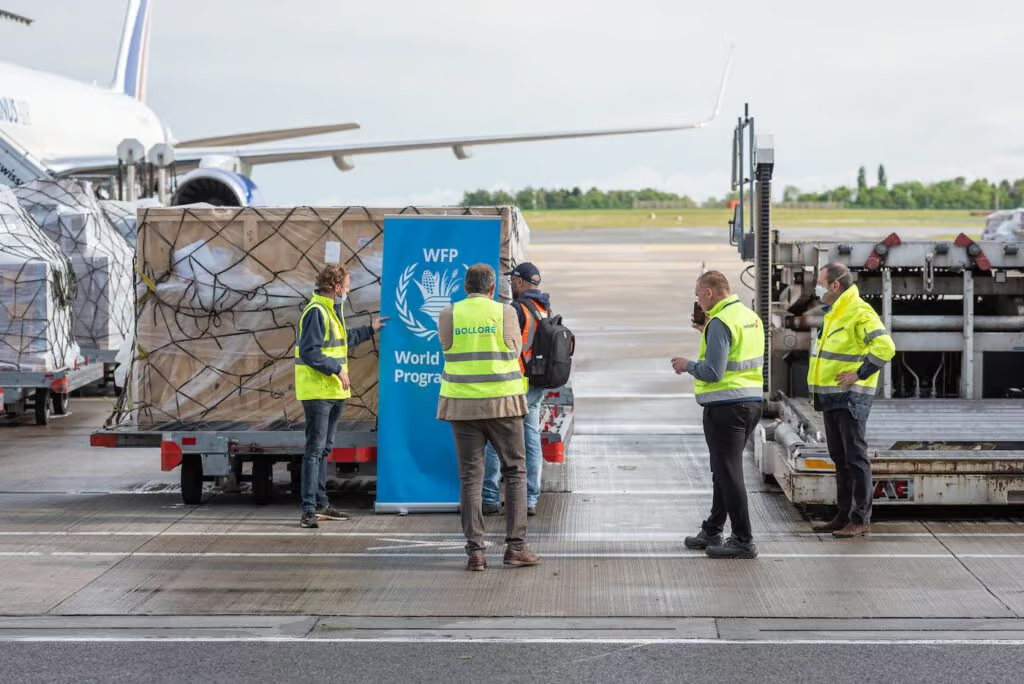
With air travel at a standstill, how do frontline responders get the supplies they need? WFP’s new network of logistic hubs will bridge the gap.

Information is one of the most important weapons in a pandemic. Here’s how WFP tech hubs are scaling up to help.
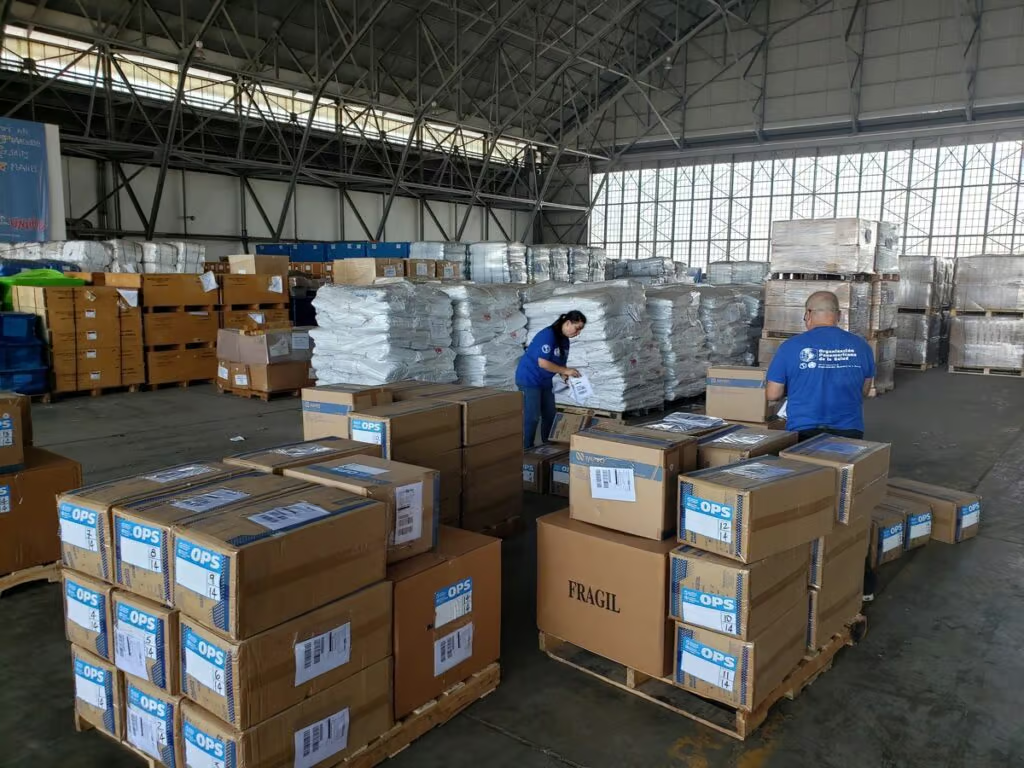
WFP is seating up the vital logistics backbone that will help save lives and help halt the spread of the virus. Humanitarian leaders from across the world are calling on donors to provide the support needed for WFP to scale-up its lifesaving services.
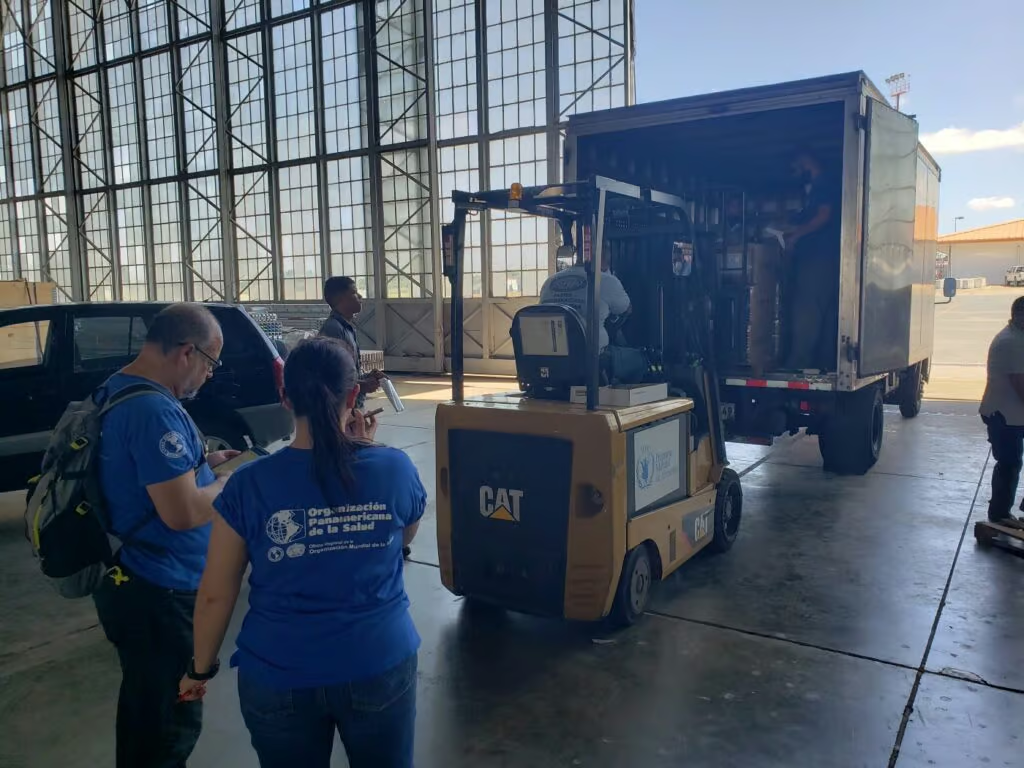
COVID-19 pandemic is causing border closures, travel restrictions and supply chain complexities never faced before, but WFP is still finding ways to save lives.