New York
Show Places

New York
Civil War
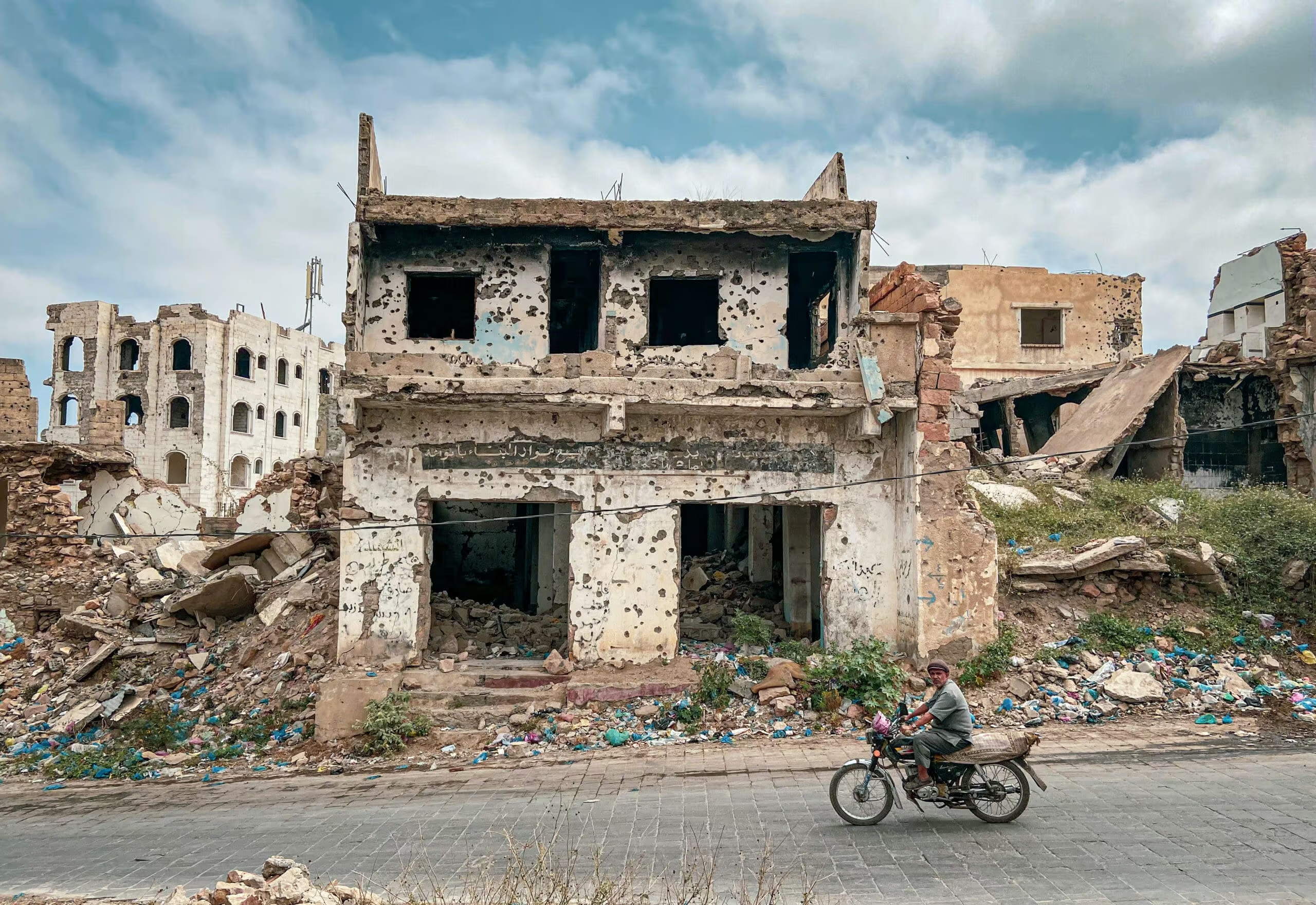
Decades of civil war in Yemen have displaced 4.5 million people from their homes and and pushed over 17 million people into acute hunger. Conflict destroys lives, uproots communities and wrecks food systems, making it the primary cause of hunger.
Weakened Economy
Yemen is one of the poorest countries in the MENA region. On the Human Development Index, it ranks 168th out of 177 countries. An estimated 80% of the population lives below the poverty line. Ongoing conflict has damaged the economy and made the situation even worse. With a devalued currency and high cost of goods, millions cannot afford or access enough food.
Intense Drought
Yemen’s severe water scarcity and land degradation already make it difficult to grow food, but climate change is making conditions worse. Heavy storms cause flash floods that erode the soil and uproots vegetation. Intense droughts cause desertification. These two climate extremes destroy crops and make it difficult to sustain agriculture. Being on the coast, rising sea levels also causes saltwater intrusion which contaminates clean water and hurts agriculture.
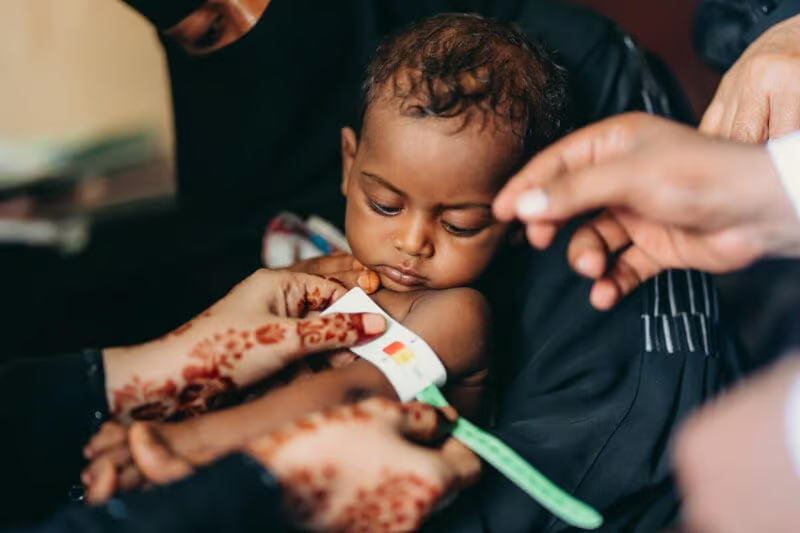
Nutrition Support
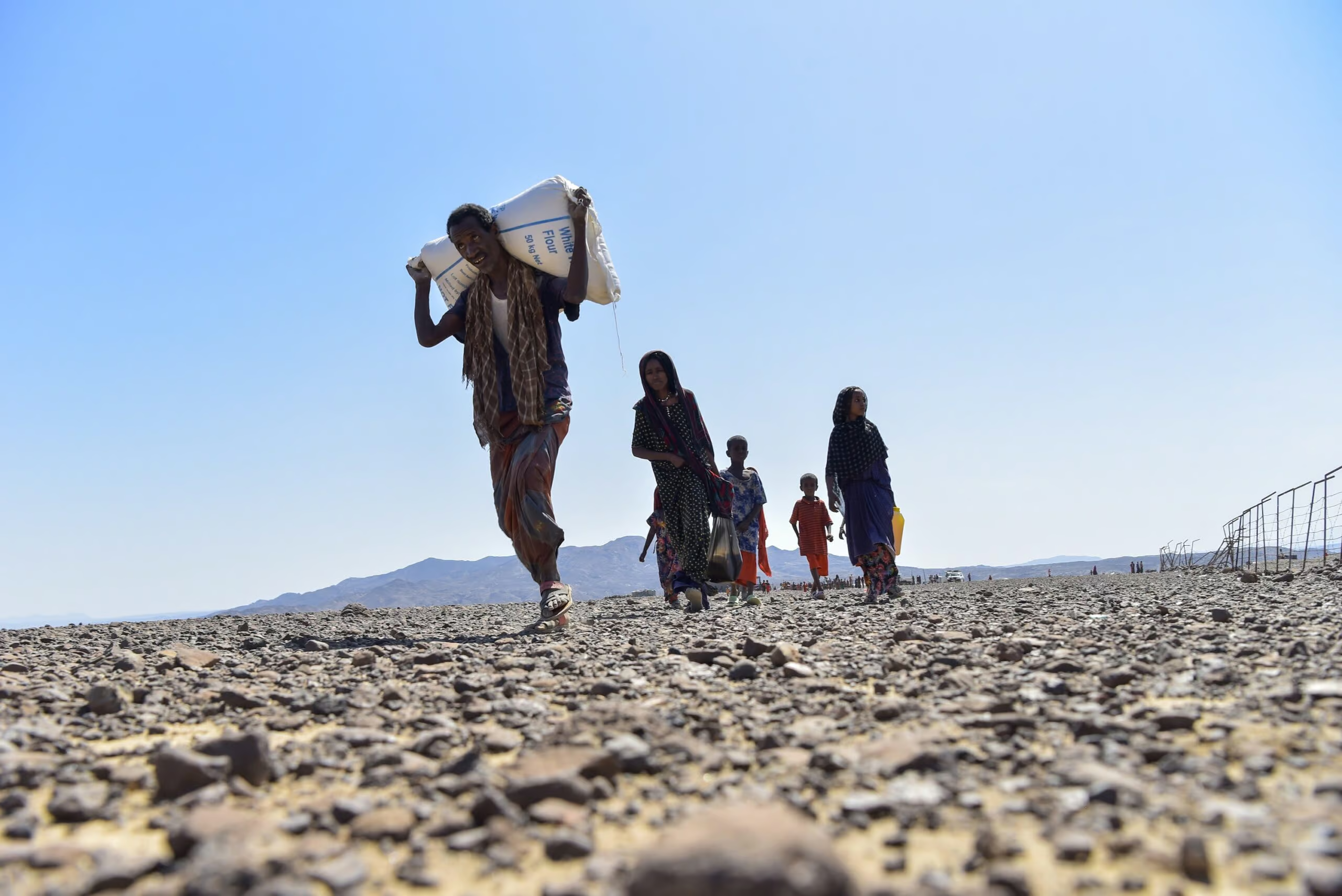
In Yemen, WFP provides both malnutrition prevention and treatment services for children under 5 and pregnant and breastfeeding mothers. In addition to specialized nutritious food, we provide cash-based assistance and nutrition awareness sessions.
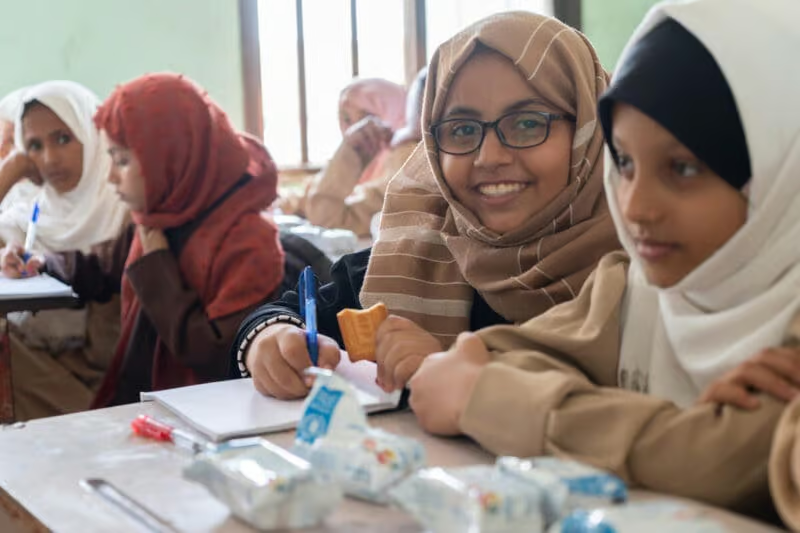
School Meals
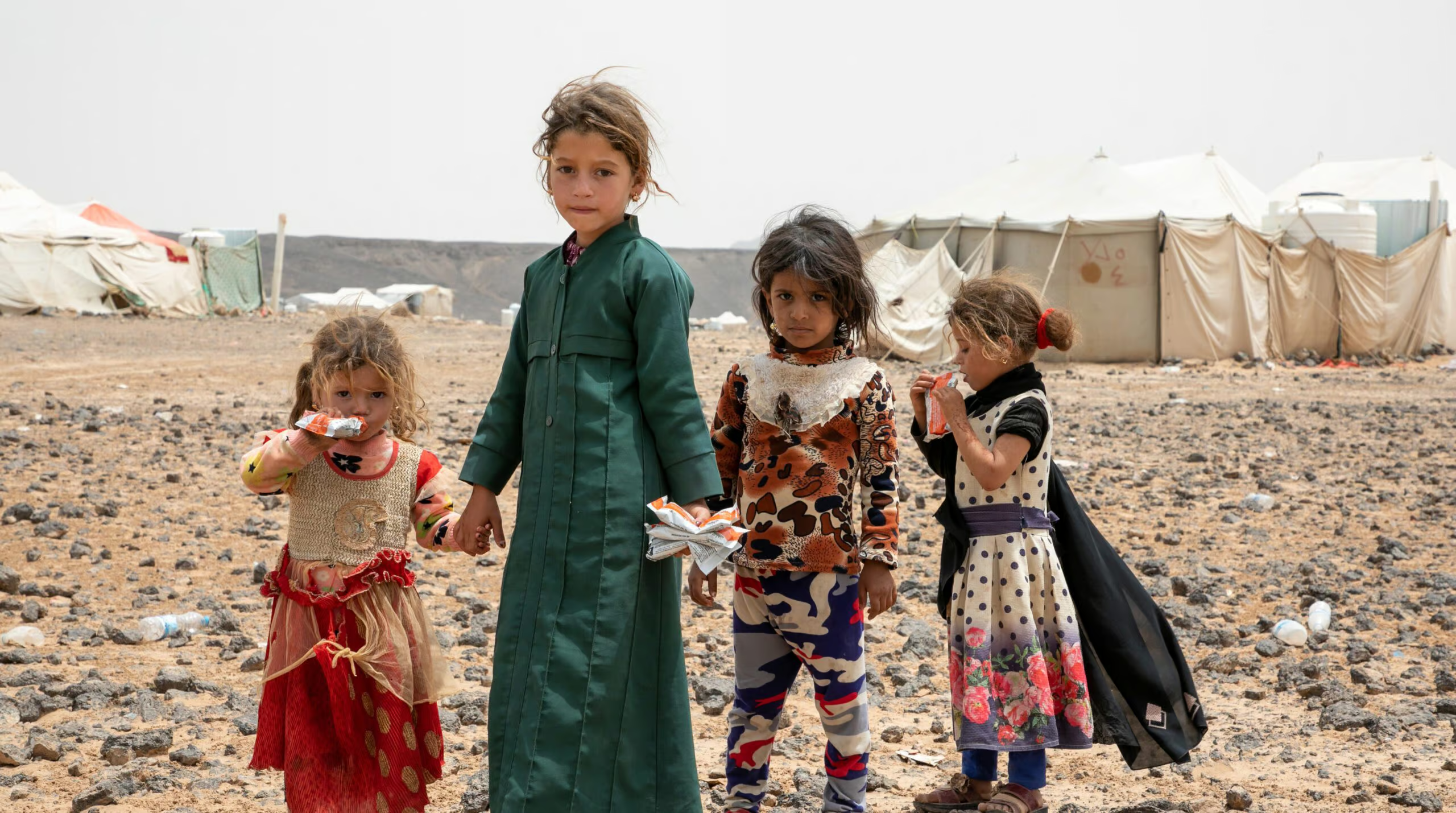
In 2024, WFP reached around 1 million schoolchildren each month with school meals and snacks – including fortified date bars and high-energy biscuits.
WFP also runs a Healthy Kitchens project which provides locally sourced and freshly prepared meals to students. The integrated project provides a market for small-scale farmers to sell their crops, jobs for low-income households and nutritious meals for children to eat.
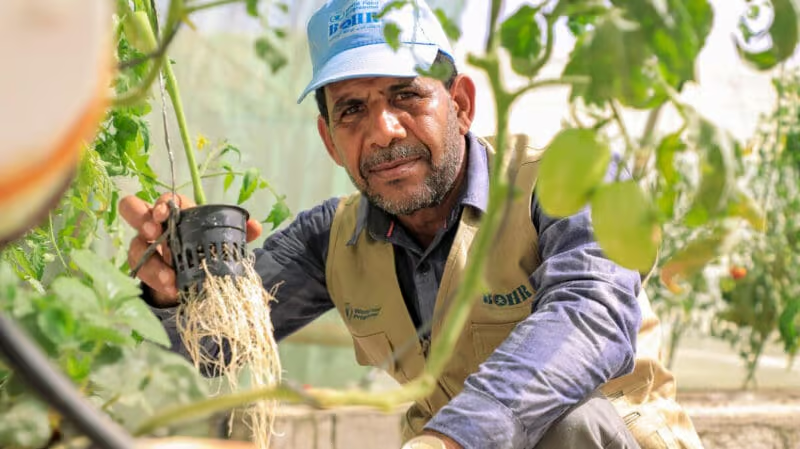
Resilience Programs
WFP works with communities in Yemen to rebuild assets like roads, agricultural land, irrigation systems, schools and health facilities. These projects contribute to people’s long-term food security by bolstering community assets, supporting small-scale agriculture and equipping participants with essential skills. Project participants also receive cash assistance.