Nigeria
Violence & Climate Shocks
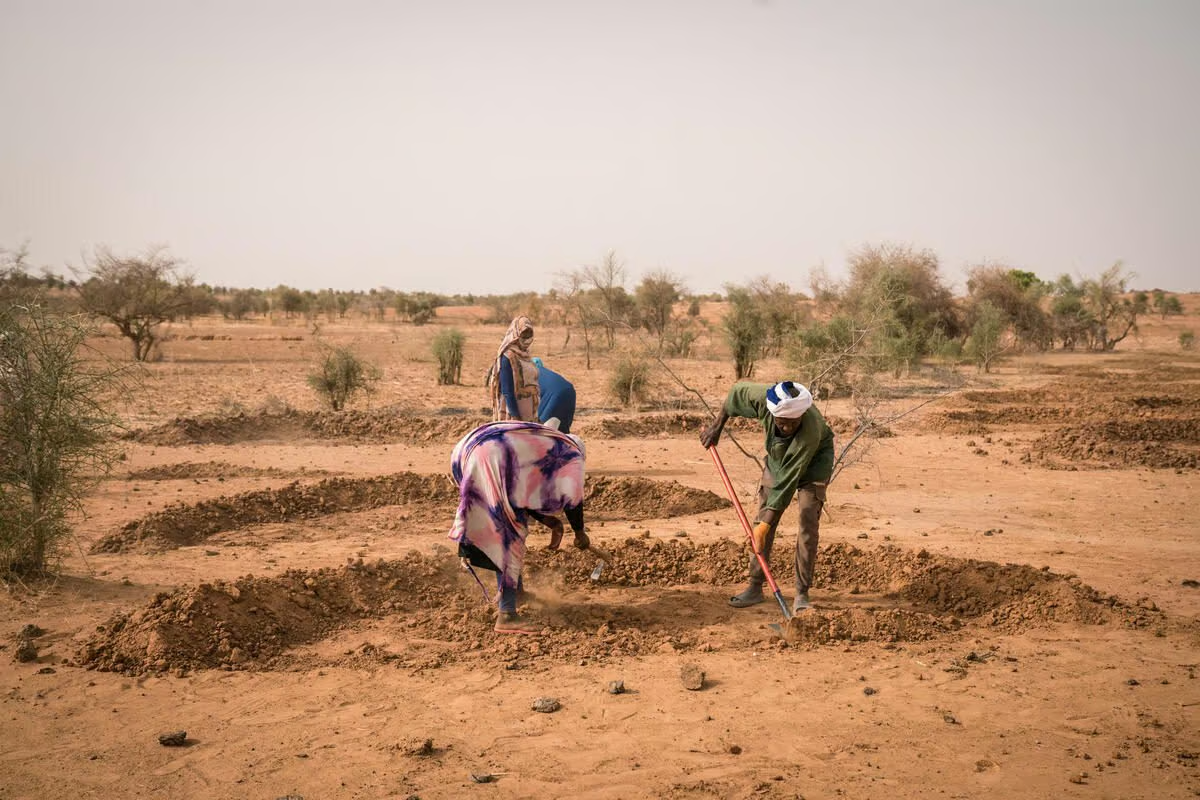
Nigeria has one of the largest hunger crises in the world, driven by conflict in the north-east, high food prices, poverty, climate shocks, and displacement.
Make a difference in Nigeria
Hunger Stats
In northeast Nigeria, conflict has displaced 2.2 million people from their homes and pushed over 4 million people into severe levels of hunger. Attacks by armed groups have forced people from their homes and hampered humanitarian access.
6.4M
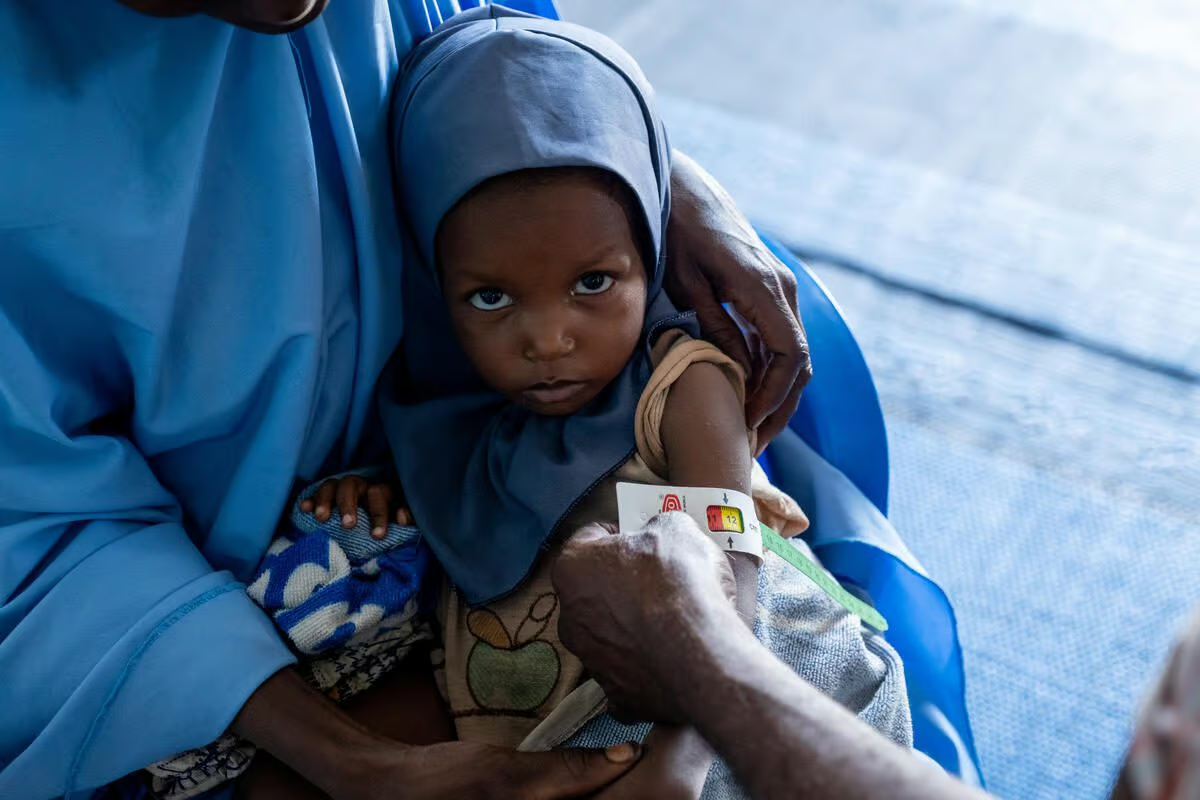
children under age 5 in the northeast, northwest and northcentral states are acutely malnourished
34.7M
people are projected to face acute food insecurity between June and August 2026
3.6M
people in the northeast, northwest and northcentral states are internally displaced
Nigeria Facts
New York
Show Places

New York
×
Geocoding Error Occured.
Tried to Geocode:
Error Type:
Please be sure to follow the tutorial on how to setup the Google APIs required for the Advanced Google Map Widget.
Google Map API Key Tutorial
Population: 244 million people.
Background: Nigeria became independent in 1960. The country has experienced periods of political instability, including military rule, and civil conflict.
Geography & Climate: Nigeria is a large country in West Africa, with a coastline along the Atlantic Ocean. The country has a predominantly tropical climate, with distinct wet and dry seasons that vary by region.
Economy: Nigeria’s economy is heavily dependent on oil and gas, which remain the country’s primary source of export earnings and foreign exchange. While agriculture employs a large share of the population and contributes significantly to GDP, domestic food production has not kept pace with rapid population growth. As a result, Nigeria relies on imports to meet its food needs.
Causes of Hunger in Nigeria
Conflict
Boko Haram-related violence and other armed attacks have displaced more than 2.2 million people inside Nigeria. Displacement separates families from farmland, livestock, fishing areas, markets, and jobs, while insecurity limits humanitarian access.
Poverty
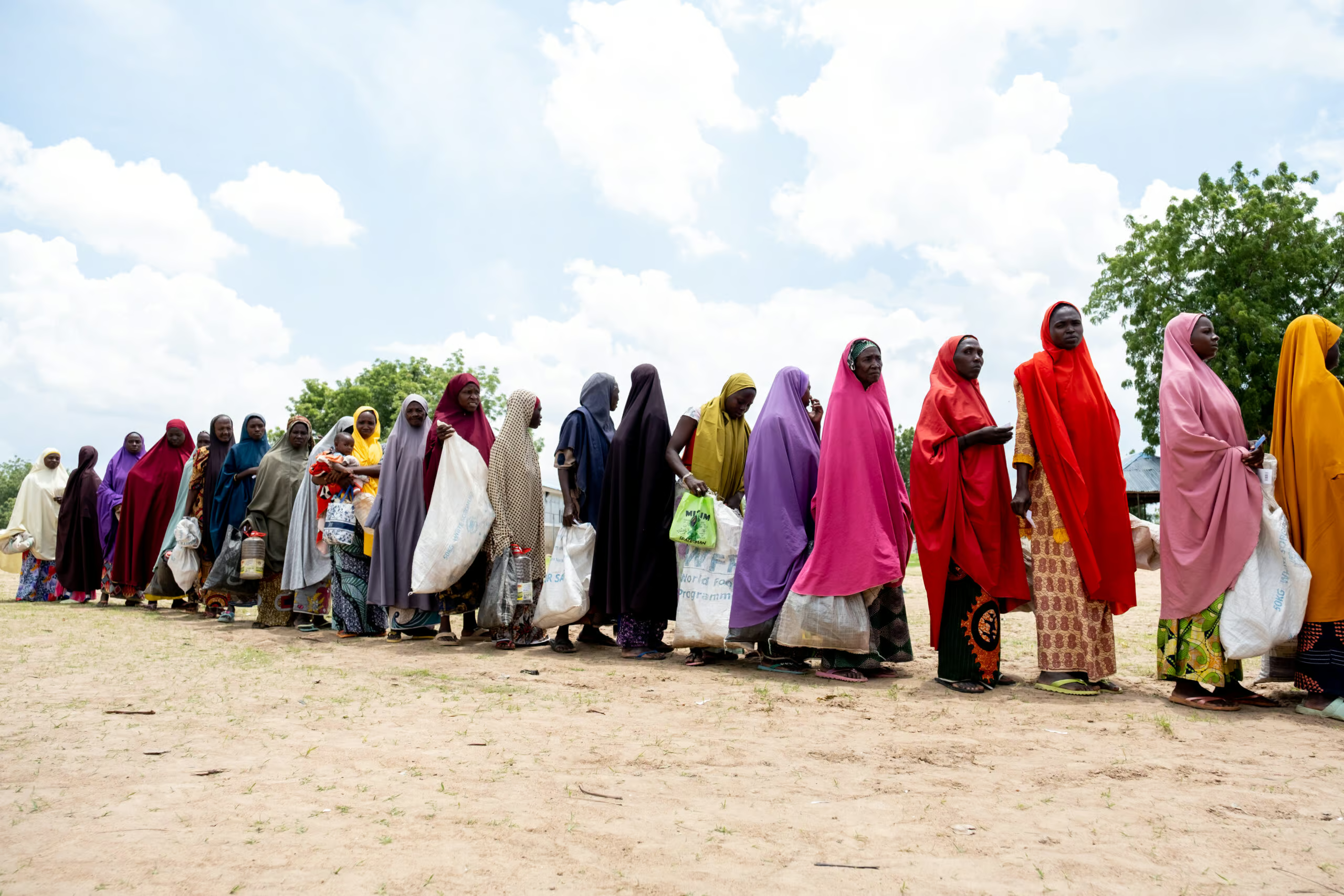
Inflation, fuel costs, currency pressures, and weak incomes have made basic foods unaffordable for many families. When food becomes too expensive, families often reduce meal sizes, switch to less nutritious foods, borrow money, or sell productive assets.
Climate Shocks
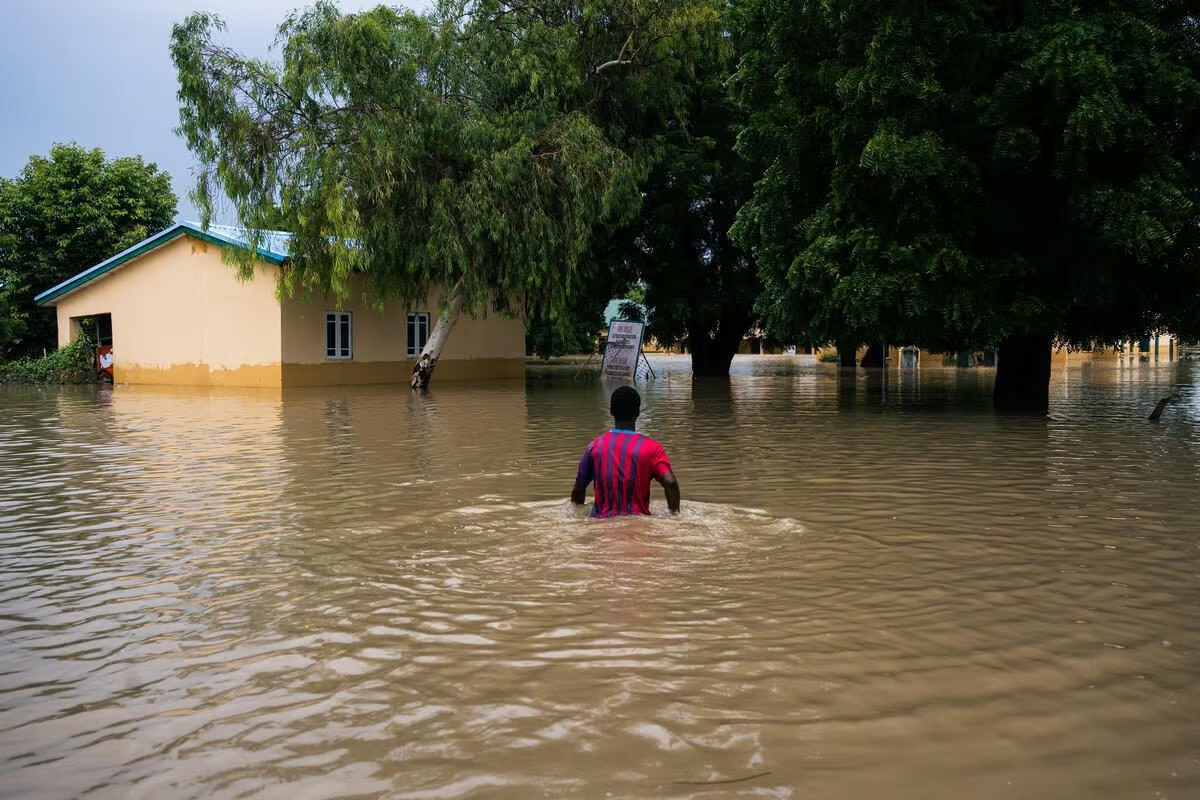
Nigeria faces repeated floods and droughts that damage farmland and disrupt transport. In 2022, floods affected 2.8 million people and 650,000 hectares of farmland. Flooding in 2024 also contributed to rising malnutrition.
History of Hunger in Nigeria
1983–1985
Falling oil revenues and debt pressures contributed to hardship and political instability. Food affordability and rural livelihoods were strained as the economy weakened.
2009–present
Boko Haram’s armed conflict has displaced millions, destroyed livelihoods, and made many communities dependent on humanitarian food and nutrition assistance.
2022-
Nigeria experienced its worst floods in a decade, affecting nearly the whole country. The floods destroyed homes and farmland and threatened to worsen severe food insecurity for millions already under pressure.
WFP's Work in Nigeria
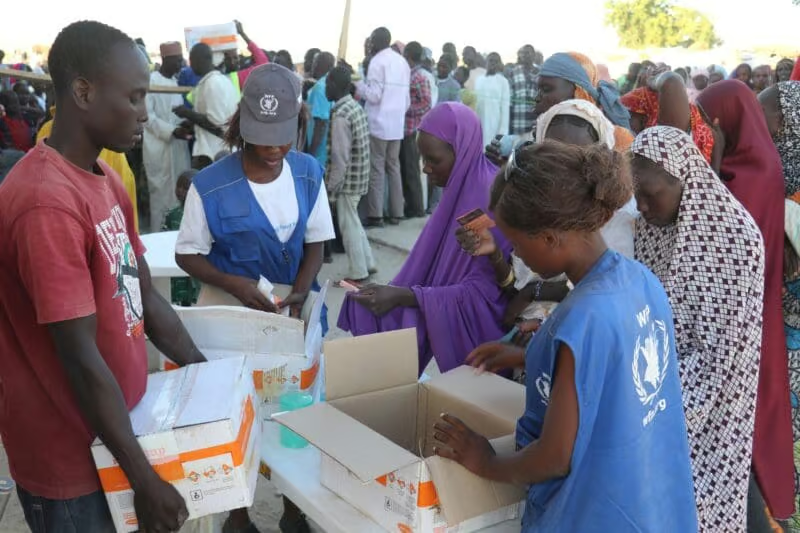
The United Nations World Food Programme (WFP) uses smart, innovative solutions to support Nigerian families across the region. These innovations include livelihood programs, SCOPE registration, truck convoys and UNHAS.
Food Assistance
Despite severe funding constraints, in 2025 WFP kept hunger at bay in some of Nigeria’s hardest‑hit, conflict‑affected northern communities. This year, WFP aims to continue sustaining at least 700,000 people every month.
Resilience
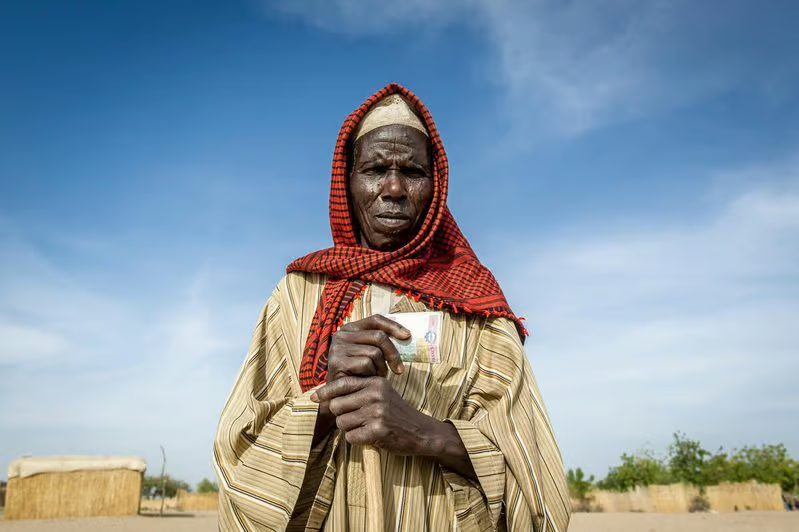
WFP provides seasonal cash assistance and offers training in income‑generating activities such as food production, processing, aquaculture, tailoring and carpentry. WFP has expanded youth job opportunities, introduced hydroponics, rehabilitated water sources, installed solar boreholes and promoted climate‑smart agriculture. These initiatives are helping communities transition from humanitarian assistance to greater self‑reliance.
UNHAS
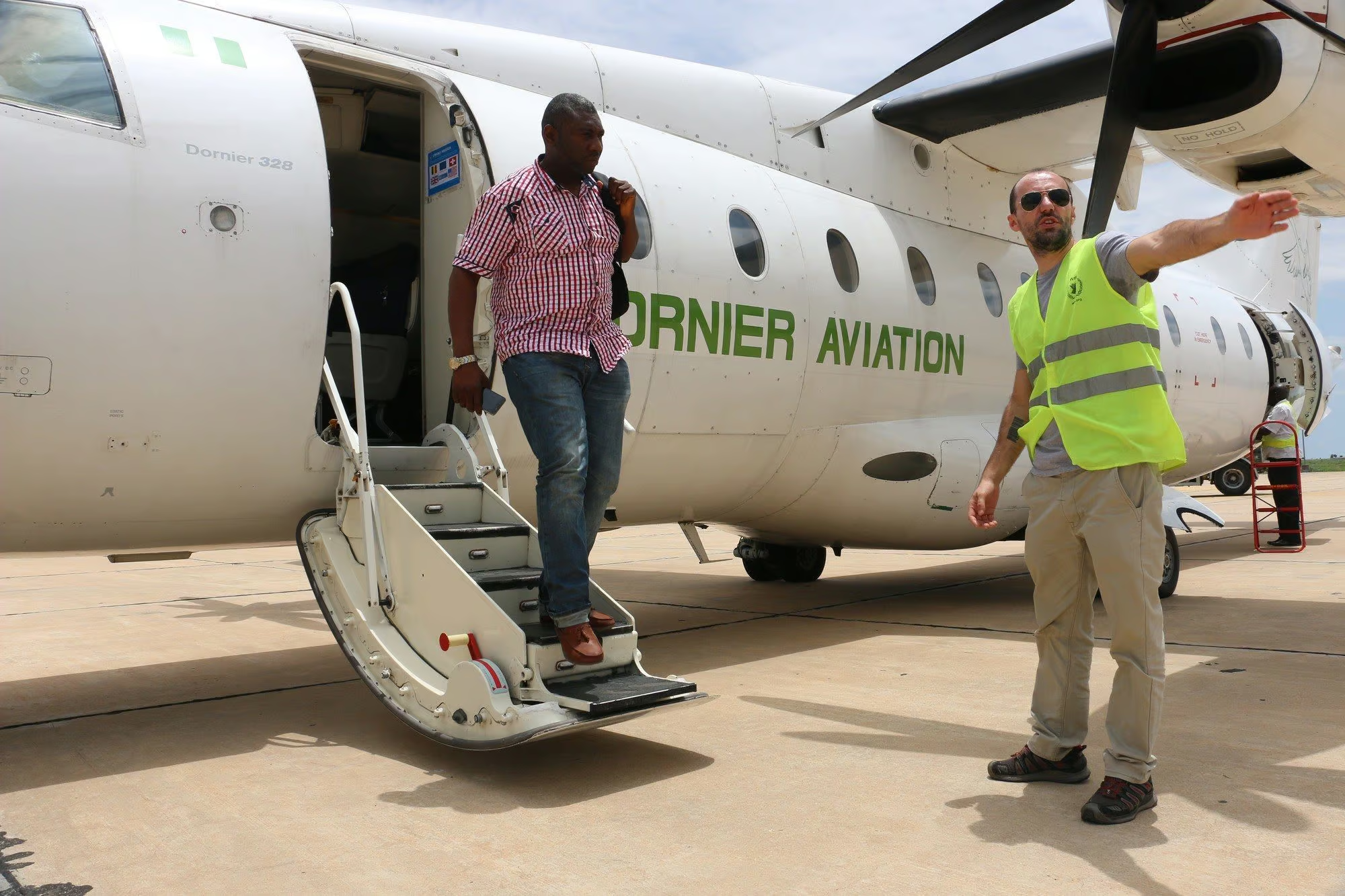
Managed by WFP, the United Nations Humanitarian Air Service (UNHAS) helps transport aid workers – as well as vaccines, medicine and medical equipment to areas not easily reachable by land or sea – to families in crisis.
Latest News From Nigeria
- News Release
- July 23, 2025
- News Release
- June 20, 2024
- Blog
- November 23, 2021