Guinea
Unable to Afford Food
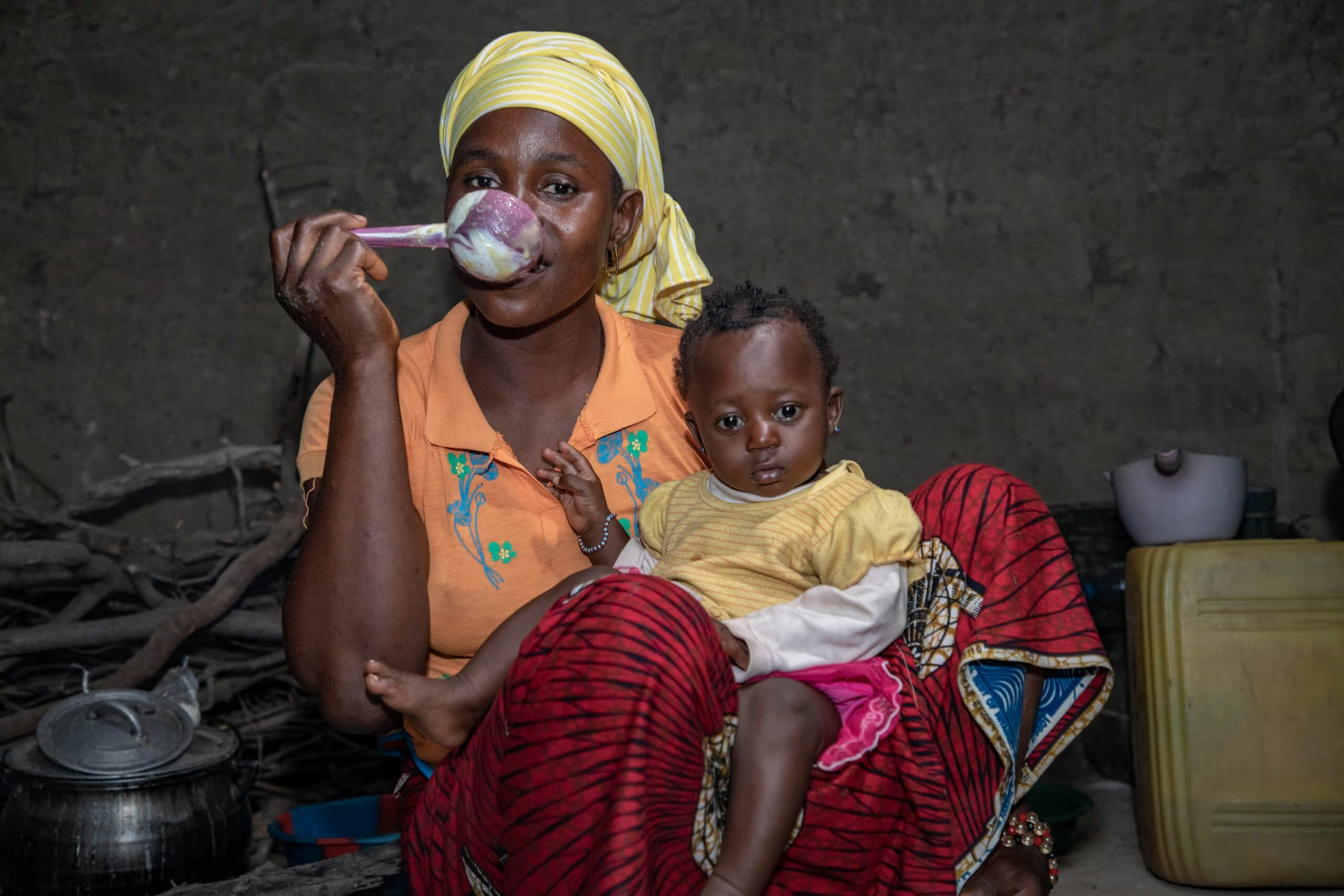
Although rich in natural resources, Guinea faces major socioeconomic challenges. The poverty rate is alarming, and women especially are going hungry. Meanwhile, devastating natural disasters make things worse — but we’re on the ground helping build more sustainable food systems for the people who need them most.
Make a difference in Guinea
Hunger Stats
Widespread poverty and rising living costs in Guinea reduce people’s ability to buy enough nutritious food, especially for rural households and small farmers. Climate shocks like flooding also disrupt livelihoods and food access for vulnerable communities.
15.4M
population of Guinea
55%
of people live in poverty
24%
of children under 5 suffer from stunting
Guinea Facts
New York
Show Places

New York
×
Geocoding Error Occured.
Tried to Geocode:
Error Type:
Please be sure to follow the tutorial on how to setup the Google APIs required for the Advanced Google Map Widget.
Google Map API Key Tutorial
Population: 15.4 million people.
Background: Guinea gained its independence from France in 1958. In 2010, Guinea held its first democratic presidential election, marking a significant step toward civilian governance.
Geography & Climate: Guinea is located in West Africa and borders Guinea-Bissau, Senegal, Mali, Ivory Coast, Liberia and Sierra Leone, with a coastline on the Atlantic Ocean. The country has coastal plains, highlands and savanna, and a tropical climate with distinct rainy and dry seasons.
Economy: Guinea holds major bauxite, gold and iron ore reserves, yet poverty affects much of the population. Political instability and weak infrastructure have limited economic growth.
Causes of Hunger in Guinea
Poverty
Many households live in poverty, which makes it hard to consistently afford enough food. Families often reduce meal size or skip meals. When inflation rises, the pressure can quickly push vulnerable families into deeper food insecurity.
Extreme Weather
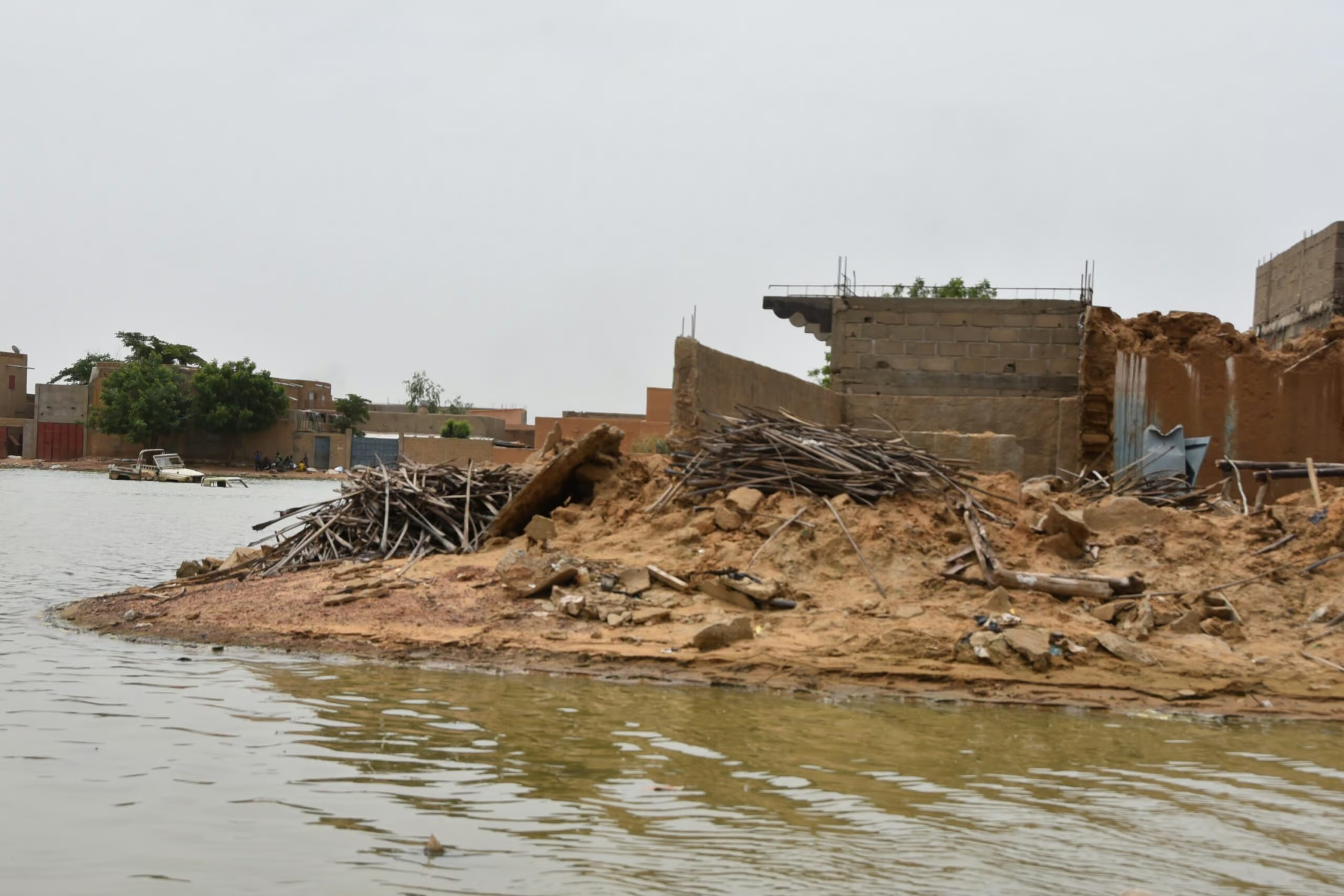
Heavy rains and floods damage crops, livestock, homes, and local infrastructure, disrupting both food production and people’s ability to earn income. Floods can also cut off communities from markets, worsening access to food.
History of Hunger in Guinea
2014-2016
The West Africa Ebola outbreak originated in Guinea, causing mass disrupting. WFP assisted with aid and logistics.
Sep 5,2021
A military coup resulted in political instability across the country. WFP continued to provide food assistance through the transition.
2022-
Due to the war in Ukraine, global food prices rose, harshly affecting West Africa. WFP saw an increase in food insecurity and responded with emergency aid.
2022-2023
Multiple instances of severe rain, flooding and landslides destroyed crops and crops and infrastructure, causing increased hunger and humanitarian needs.
WFP’S Work in Guinea
We’ve been in Guinea since 1964, feeding people during and in the aftermath of crises. WFP works with the Government to improve children’s access to education, enhance nutrition, build sustainable food systems and community resilience to shocks whilst improving farmers’ access and livelihoods. Here’s how:
School Feeding
To improve attendance and retention rates and encourage parents to send children — especially girls — to school, WFP provides nutritious school meals to children in pre-primary and primary schools. The program integrates the home-grown school feeding model, promoting local production for nutritious school meals.
Emergency Response
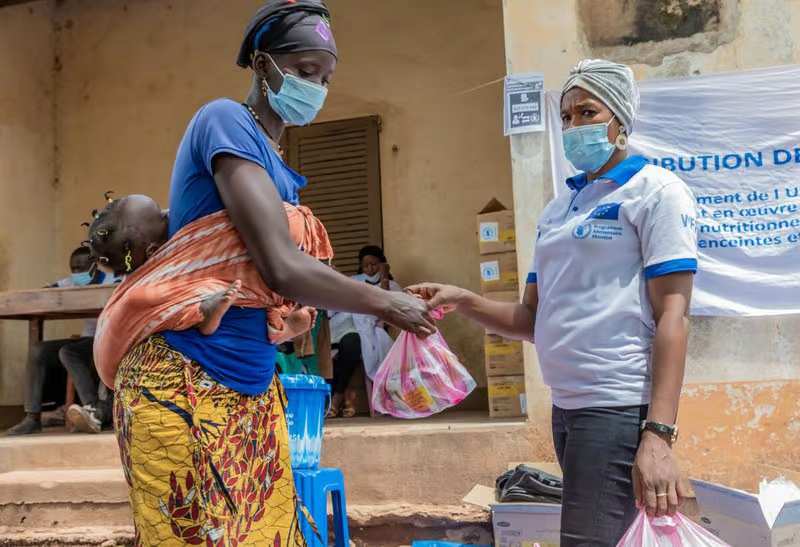
During crises, WFP provides timely and adequate food assistance to meet the immediate food needs of those affected. In August 2019, following flooding in the prefecture of forest region Guéckédou, which caused great difficulty for already vulnerable families, devastating crops and livestock, WFP provided 58.5 metric tons of rice, worth $21,486, to 3,000 affected people.
Nutrition
We provide lifesaving nutritious food to vulnerable people, including children aged under 5, pregnant and breastfeeding women, people living with HIV/AIDS and TB and their more. Improved food security and nutrition prevents and reduces maternal malnutrition, mortality risk, low birth weight rates and malnutrition in children under 5. WFP also supports the Government’s nutrition-sensitive programs and activities.
Farmers
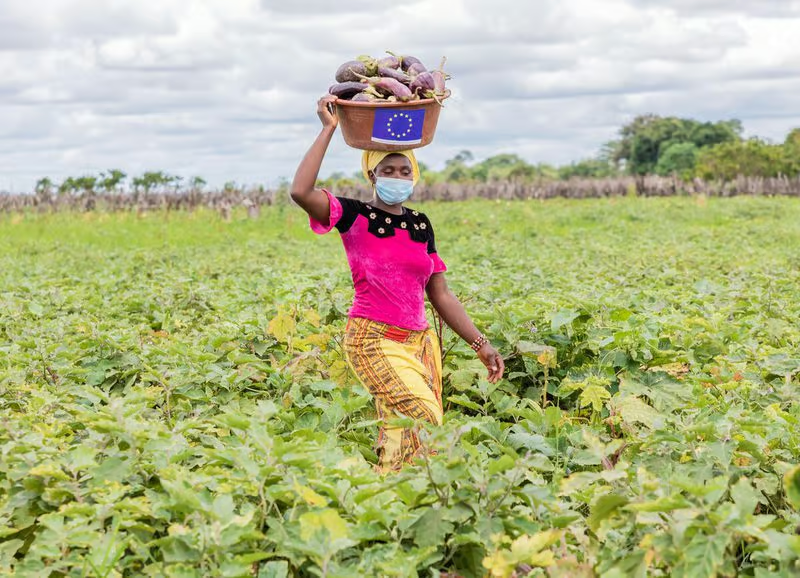
We’re supporting small farmers and vulnerable communities through our integrated Food Assistance for Assets (FFA) and Smallholder Agricultural Market Support (SAMS) programs, working to improve farmer productivity and revenues, build their resilience to shocks including climate change, and increase their access to profitable and stable agricultural markets by linking them to the school feeding programs.
Capacity Strengthening
To help strengthen Government capacities in the design and implementation of sustainable programs and ensure national ownership before an eventual handover, WFP provides institutional technical and financial support through formal partnership with various Ministries including the Ministry of Education, Health, Agriculture, Commerce, Decentralization and Cooperation.