Ethiopia
Crisis in Northern Ethiopia
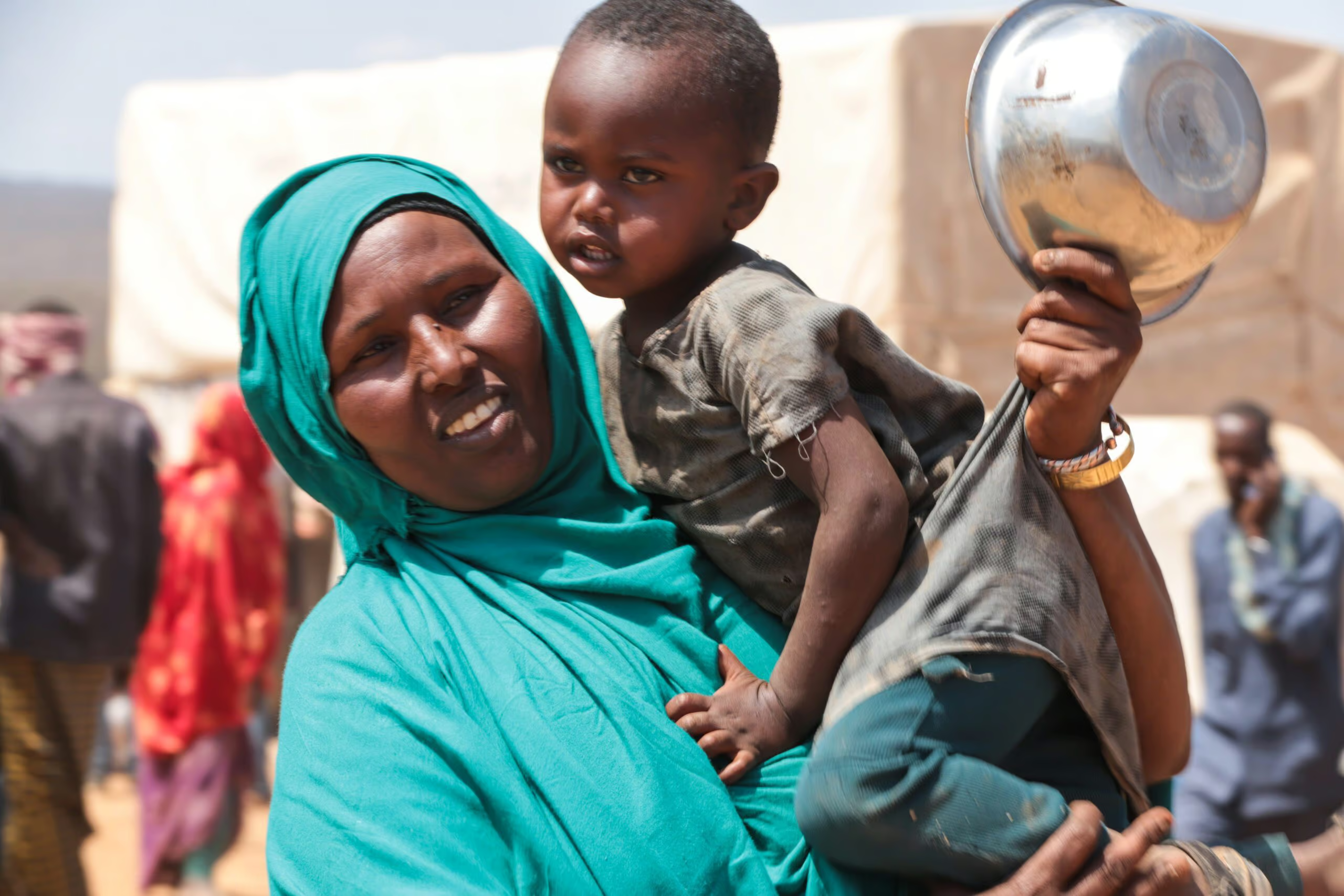
Conflict, displacement, climate extremes and economic shocks are driving a hunger crisis in Ethiopia.
Make a difference in Ethiopia
Hunger Stats
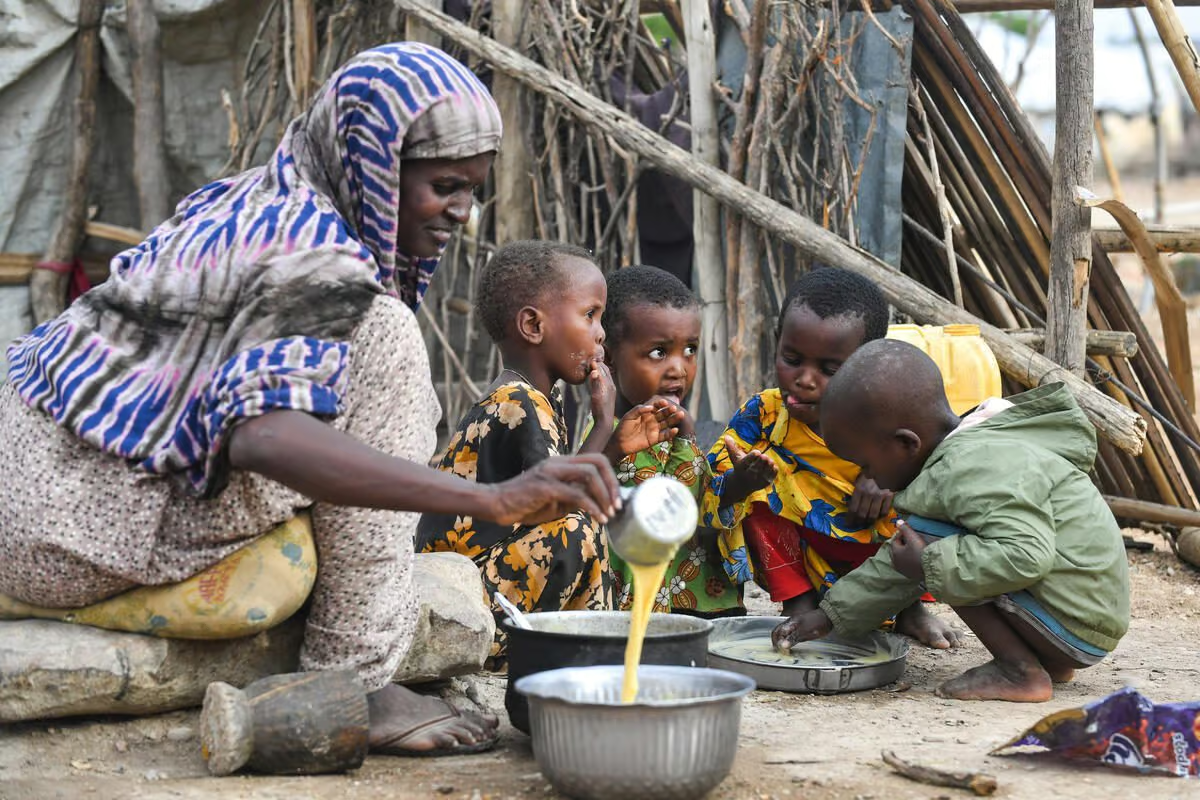
Ethiopia is facing a tragic combination of conflict and climate shocks. Nearly 16 million people are food insecure because of drought, floods, conflict and economic shocks.
5.5M
people are severely food insecure.
55%
of all children aged under 5 are malnourished.
2/3
of Ethiopians live in poverty.
Ethiopia Facts
New York
Show Places

New York
×
Geocoding Error Occured.
Tried to Geocode:
Error Type:
Please be sure to follow the tutorial on how to setup the Google APIs required for the Advanced Google Map Widget.
Google Map API Key Tutorial
Population: 135 million
Background: Ethiopia has been a country for over 2,000 years, and was only briefly colonized during World War II.
Geography & Climate: Ethiopia is located in the Horn of Africa. The country has diverse terrain, from high plateaus and rugged mountains to arid lowlands. The climate also varies widely—cool in the highlands, hot and dry in the lowlands, and prone to both seasonal rains and recurrent droughts.
Economy: Ethiopia’s has a large economy driven by agriculture, with coffee as one of its major exports. Despite growth, unemployment is a challenge and about 2/3 live in poverty.
Causes of Hunger
Conflict
Conflict has become one of the main drivers of hunger and malnutrition in Ethiopia. It's severely disrupted farming, trade, and humanitarian access, leaving millions without reliable food sources. Fighting has displaced communities and destroyed crops and infrastructure.
Learn More Drought
Droughts in Ethiopia are becoming increasingly frequent and severe. They reduce water availability and destroy crops and livestock, directly limiting food production. Rural communities that rely on subsistence farming and pastoralism are especially vulnerable, facing food shortages when there's little rain.
Learn More Poverty
Poverty, high unemployment, and rising food prices in Ethiopia limit households’ ability to purchase enough nutritious food, even when it is available. Many families rely on low-income agricultural or informal work, making them highly vulnerable to economic shocks and inflation. This economic vulnerability exacerbates hunger and malnutrition.
Learn More
History of Hunger
1983–1985
Severe drought, combined with civil war, caused widespread famine in northern Ethiopia. It killed hundreds of thousands of people and prompted one of the largest humanitarian responses from WFP and partners.
1991-
The overthrow of the ruling regime led to a change in government, which caused instability and conflict. This displaced people and required emergency food assistance.
1998–2000
Armed conflict along the northern border disrupted agriculture, displaced hundreds of thousands, and strained food aid delivery to affected regions.
2002–2003
Consecutive years of poor rainfall led to drought, which prompted emergency food assistance from WFP.
2020–2022
Armed conflict in Tigray, along with flooding and desert locust infestations, caused massive displacement, disrupted agriculture, and created acute hunger and malnutrition. WFP was there providing emergency food aid.
WFP’s Work in Ethiopia
We’ve been present in Ethiopia since 1968, using food assistance to empower women, transform areas affected by the climate crisis and keep children in school.
Refugee Assistance
WFP works closely with partners to support refugees and asylum seekers in Ethiopia. WFP has scaled up to assist nearly 1M refugees.

Specialized Nutrition
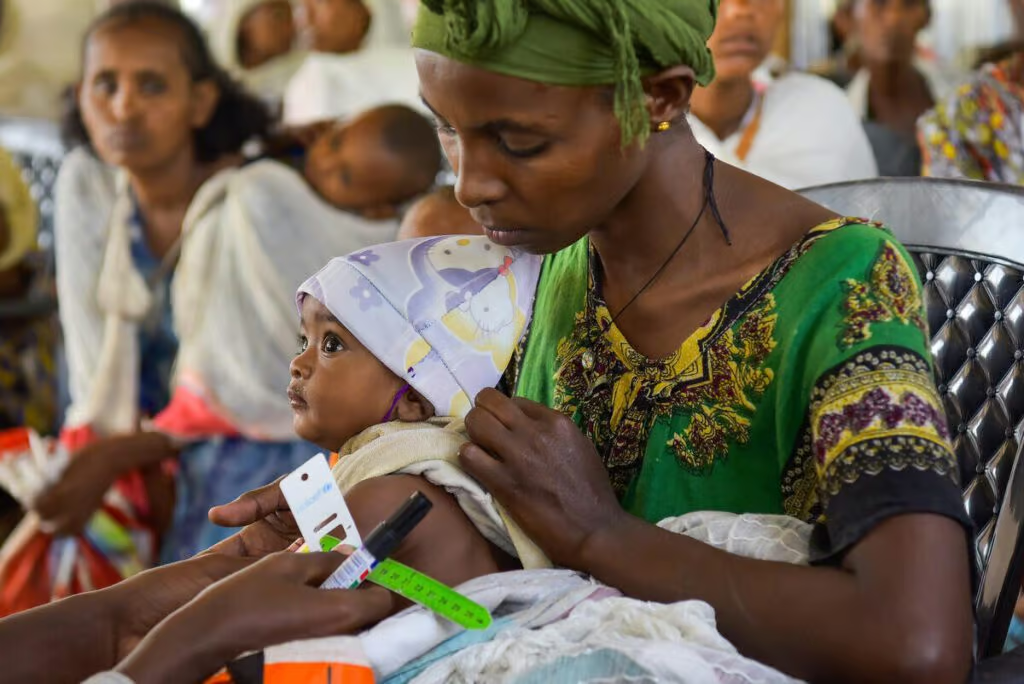
WFP offers nutrition support to the most vulnerable Ethiopians including pregnant women, nursing mothers and children under 5.
Emergency Response
WFP provides food and cash to the most vulnerable families. Stocks of food are prepositioned in case of conflict or climate shocks.
School Meals
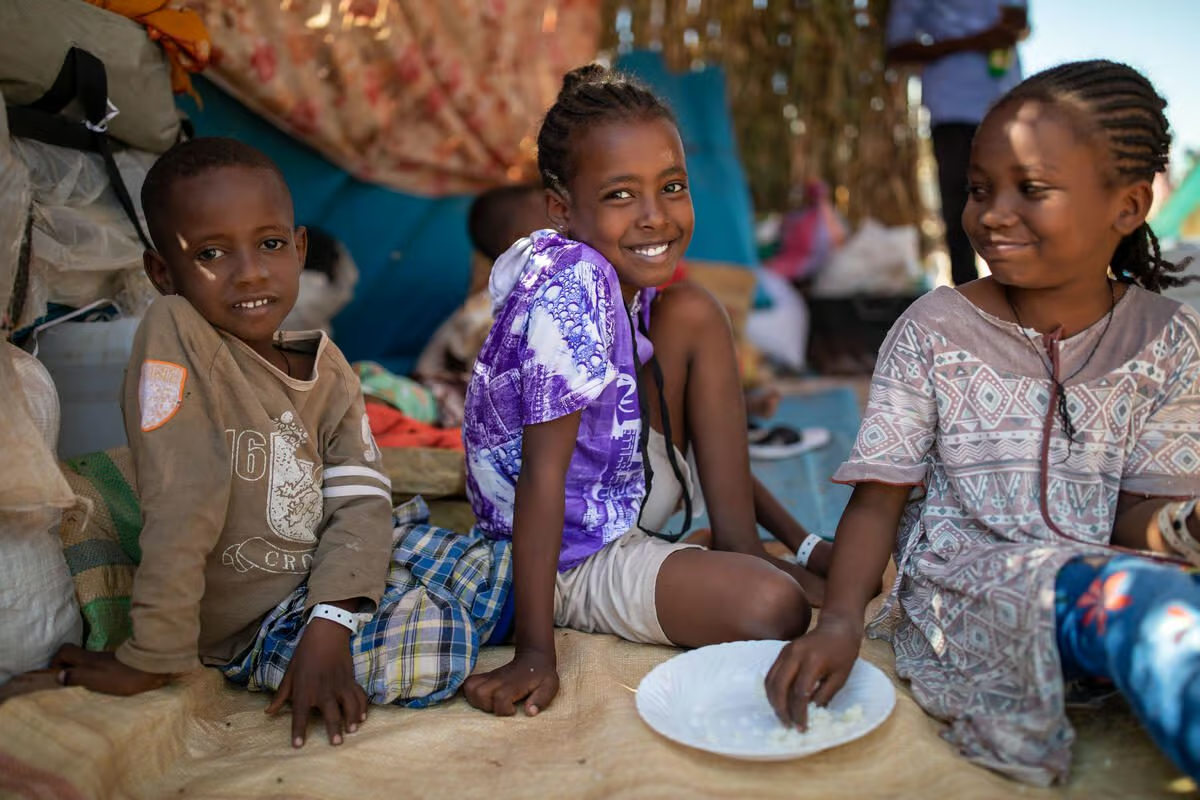
WFP aims to provide about 800,000 schoolchildren with daily school meals, with a focus on conflict-affected areas in northern Ethiopia.
Latest News From Ethiopia
- News Release
- April 22, 2025
- News Release
- February 6, 2024
- News Release
- November 16, 2023