
New York
Show Places

New York

Extreme Weather
Benin's climate of droughts and floods puts strain on its fragile agricultural sector. Damages to farms affect food supply, which is already limited.
Agriculture
The vast majority of Benin’s population depends on agriculture. However, farmlands are small and food prices have remained high since 2008. To cope, farmers are often forced to sell their crops at low prices and reduce the quantity and quality of food they consume which drives hunger and malnutrition.
Education & Inequality
The education system in Benin faces persistent challenges – only 38% of people are literate. Only 27% of these are women whose access to education, economic opportunities and empowerment is impaired by structural and socio-cultural discrimination. The government prioritizes school enrollment and considers school meals to be essential to improve access to primary education and increase the school retention rate, especially among girls.
1982-1983
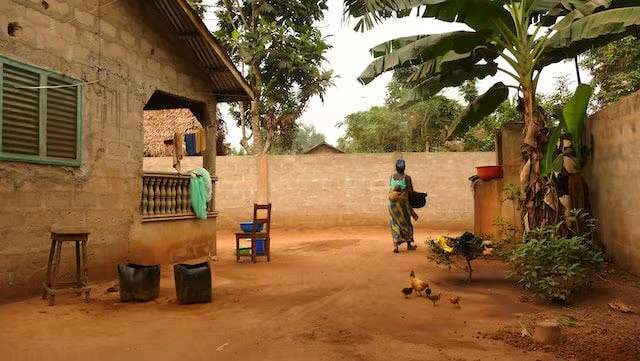
A series of droughts coupled with economic struggles caused widespread hunger. WFP scaled up food assistance.
2008-2010
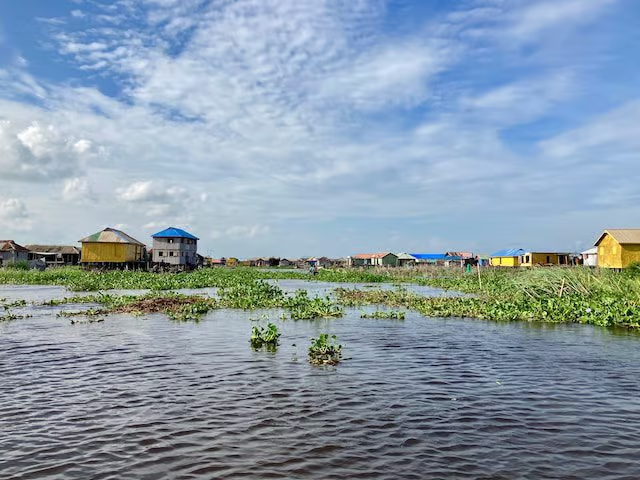
From 2008 to 2010, for three consecutive years, West Africa experienced extreme flooding . Nearly half a million people in Benin were affected by the floods. WFP delivered food assistance to those affected. Meanwhile, in 2008 and 2010, the country also experienced outbreaks of cholera.
2018-2022
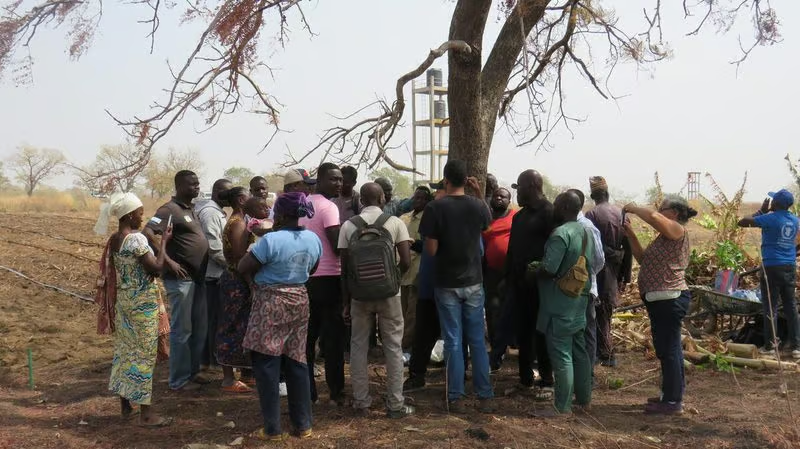
Benin experienced alternating years of droughts and floods which caused mass damage, displacement and hunger.
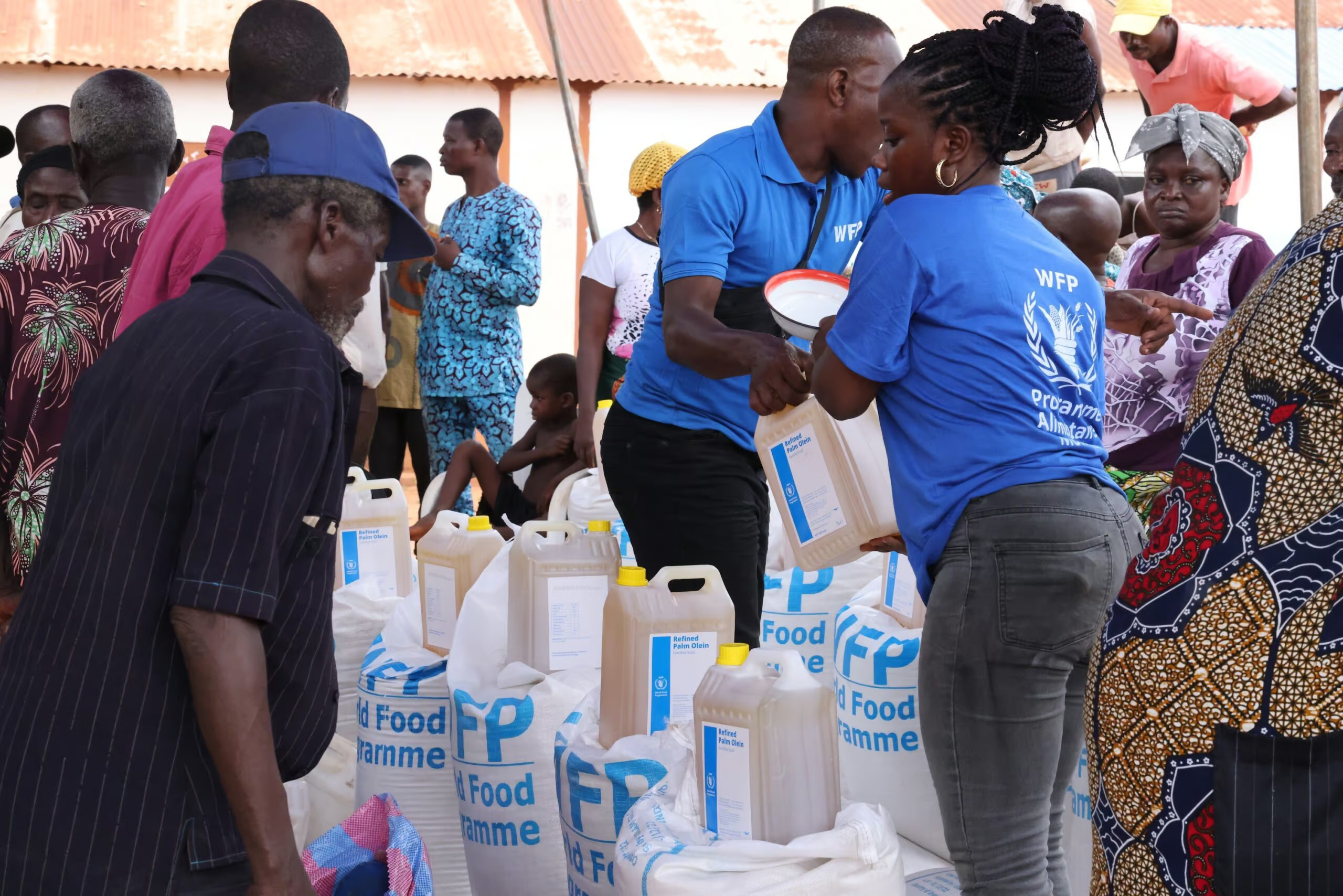
Capacity Strengthening
WFP is strengthening local capacity and continue to support food security monitoring and early warning emergency preparedness systems.
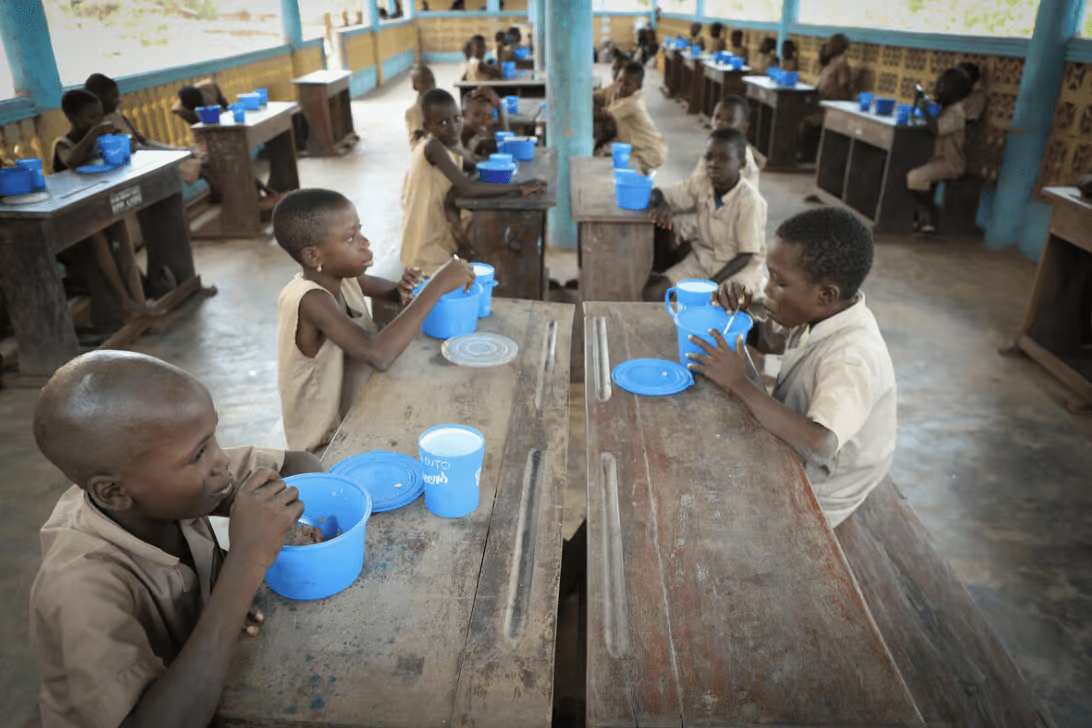
School Meals
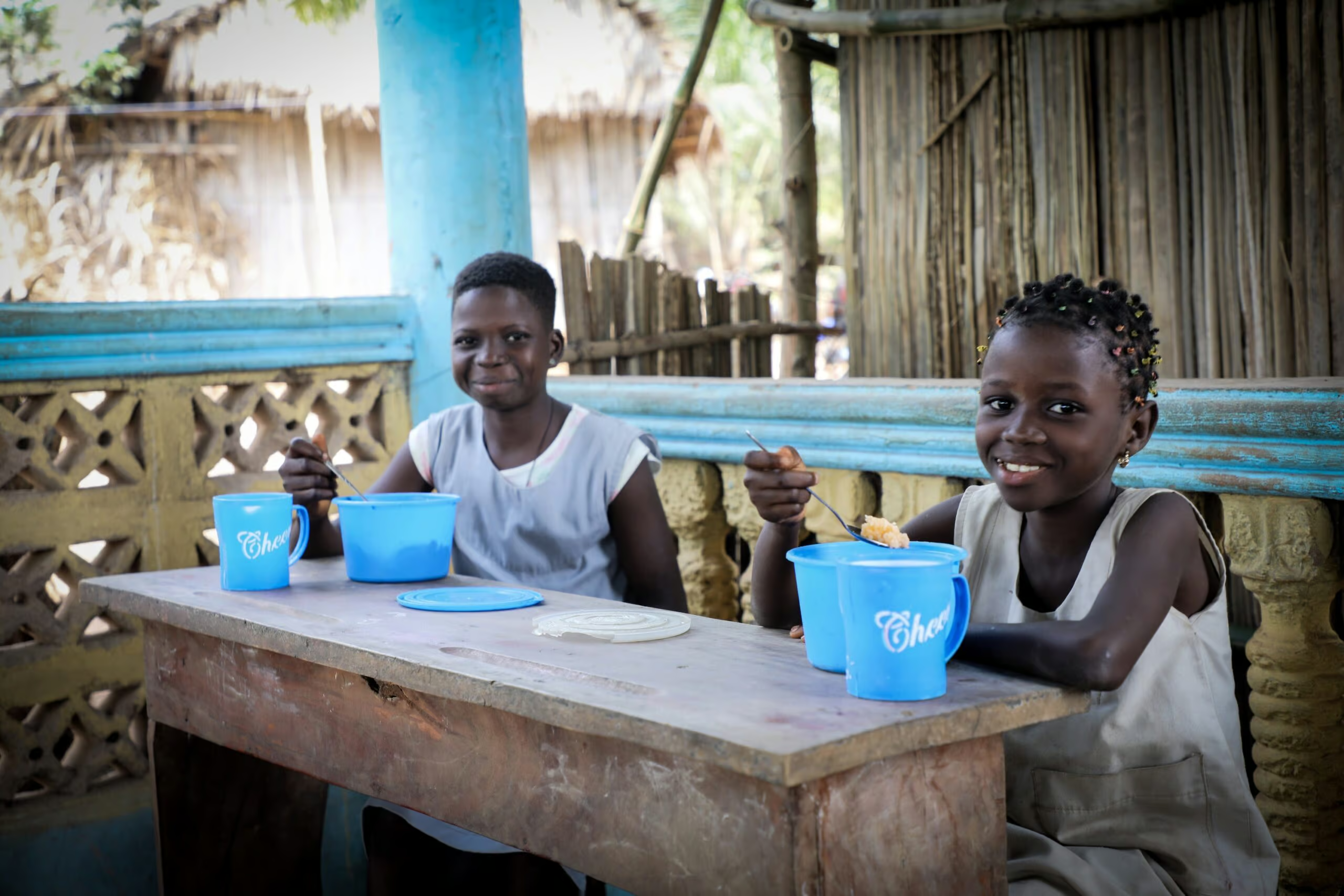
In 2022, WFP helped feed over 1 million children with daily school meals, including through take-home rations and cash assistance. WFP takes an integrated approach to school meals by linking education, nutrition, health and hygiene, and by sourcing food locally.
Nutrition
WFP provides specialized nutritious food or supplements to children and pregnant and breastfeeding women and girls in targeted areas to treat and prevent malnutrition. WFP also supports Benin’s health services by strengthening their capacities in nutrition and education.