Angola
Host to Refugees
As Angola hosts thousands of refugees and asylum seekers, the country is waging its own war against hunger: driven by poverty, poor sanitation and gender inequality. WFP is on the ground providing refugee assistance, nutrition support, school feeding and vulnerability analysis.
Make a difference in Angola
Hunger in Angola
51%
of people live in poverty
12%
of people have been displaced
6%
of people face extreme hunger
Angola Facts
New York
Show Places

New York
×
Geocoding Error Occured.
Tried to Geocode:
Error Type:
Please be sure to follow the tutorial on how to setup the Google APIs required for the Advanced Google Map Widget.
Google Map API Key Tutorial
Population: 35 million
Background: Angola gained its independence in 1975, but experienced decades of internal conflict that left long-lasting damages to its economy and society.
Geography & Climate: Angola is located in central Africa. The Angola’s landscape is hilly and mountainous with a wet and dry season. It experiences occasional droughts and floods.
Economy: Angola ranks 150 out of 193 countries on the Human Development Index. 51% of its population lives below the poverty line. Angola is heavily dependent on the exports of petroleum oils or imports. Many of its citizens depend on jobs in the agriculture and oil and gas sectors.
Causes of Hunger
Weather Extremes
The climate emergency is having a severe effect on hunger and nutrition. Southern provinces are the most affected, with six consecutive years of severe drought and below-average harvests, compounded by the impact of El Nino. An estimated 2.2 million people need assistance: 1.8 million of whom are food insecure people and 1.3 million who need nutrition assistance.
Learn More Malnutrition
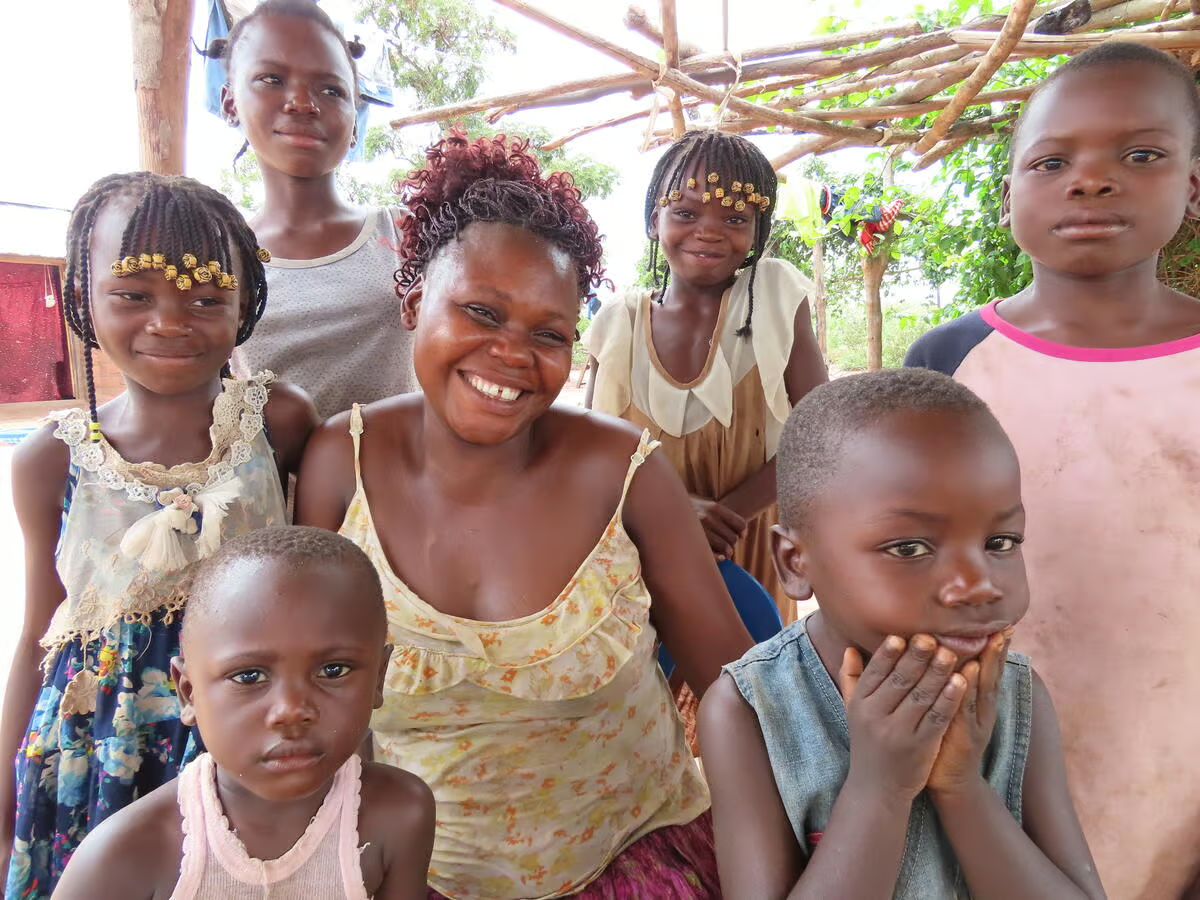
Malnutrition is a public health issue, with stunting rates at 44 percent, while wasting is at 5 percent. The high prevalence of acute malnutrition is caused by poor-quality water, hygiene, and sanitation, inadequate infant and child feeding practices and lack of access to essential services, underscored by poverty.
Learn More
History of Hunger in Angola
1975-2002
The prolonged civil war in Angola led to widespread displacement, destruction of infrastructure, and severe food shortages. Many people faced hunger due to disrupted agricultural activities and limited access to food.
1981-
Angola experienced one of its most severe droughts in 1981, which significantly impacted crop production and led to widespread hunger. This drought affected millions of people and exacerbated food insecurity.
2014-2016
The sharp decline in oil prices during this period caused an economic crisis in Angola, leading to reduced government revenue and increased poverty. The economic downturn resulted in higher food prices and greater food insecurity.
2020-2022
he pandemic worsened food insecurity in Angola due to disruptions in supply chains, loss of income, and increased poverty. The combined effects of the pandemic and ongoing droughts led to heightened levels of hunger.
2021-2024
Southern Angola has faced a relentless drought over several years, severely affecting food production and leading to critical levels of hunger and malnutrition. This drought has been one of the worst in recent history, impacting thousands of families.
WFP’s Work in Angola
Despite weather extremes and malnutrition in Angola, the World Food Programme is delivering food to 1.8 million people in need. We’ve been there since 2017, and we are committed to ending hunger in Angola.
Refugee Assistance
We’re working closely with partners, including the UN Refugee Agency (UNHCR) and World Vision International, to ensure that refugees from the DRC are able to meet their basic food and nutrition requirements, and to lay the foundation for more sustainable solutions.
Child Nutrition
The U.N. World Food Programme works with government partners to reduce vitamin and mineral deficiencies among Angolans as well as prevent stunting among children under the age of 2 through food fortification and specialized nutritious foods.
School Meals
We’re working with the Ministry of Health, Ministry of Education, Ministry of Agriculture and local governments to create a school feeding plan for drought-affected provinces – based on locally produced and available foods.
Vulnerability Analysis
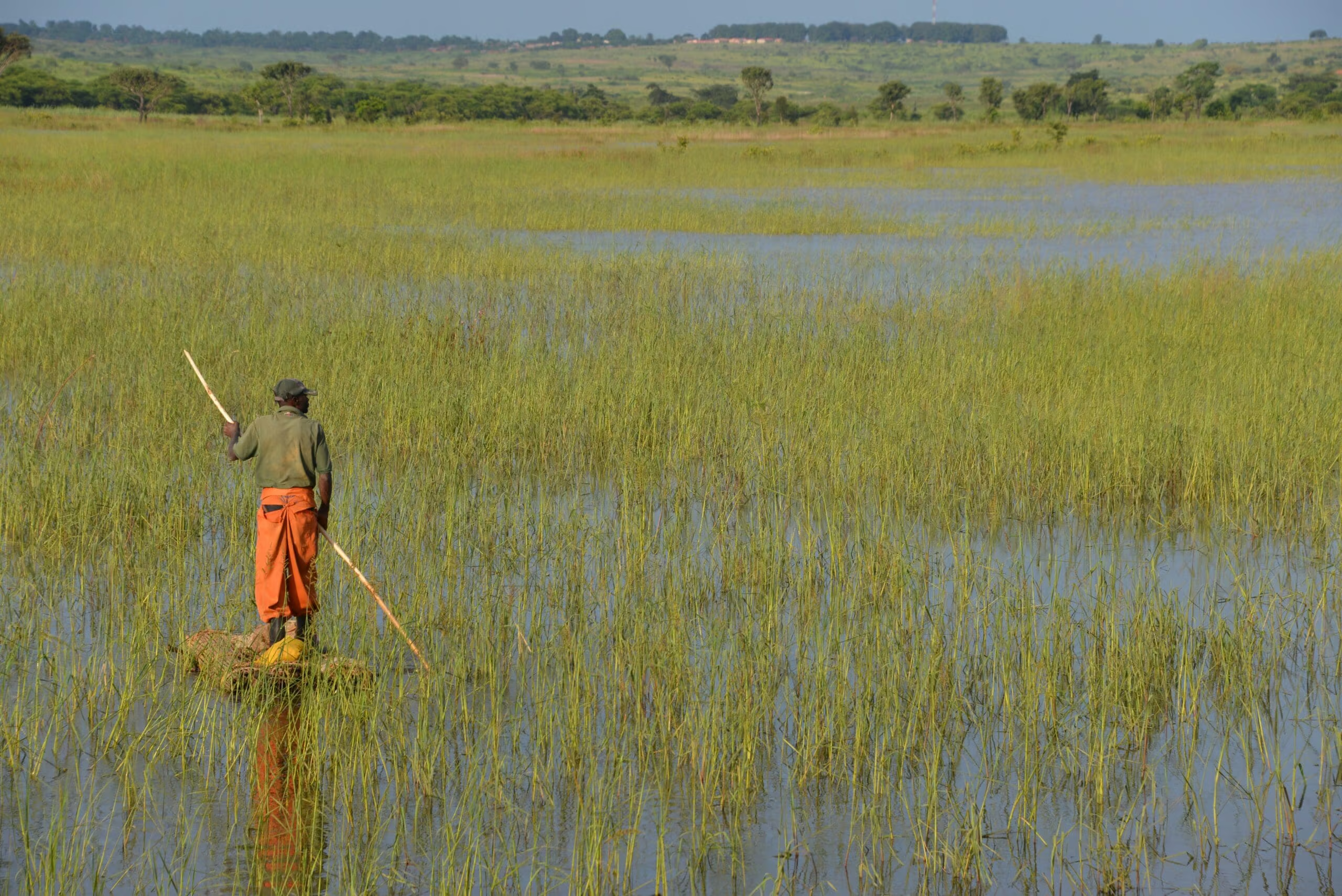
WFP experts assists the government in the gathering and analysis of food security data, as well as in the development of regular food security and nutrition reports. Assessments include reports on rainfall and vegetation cover levels as well as food-based coping strategies.