Afghanistan

Conflict, Disasters & Hunger

Decades of conflict have left Afghans in extreme hunger, compounded by devastating natural disasters.

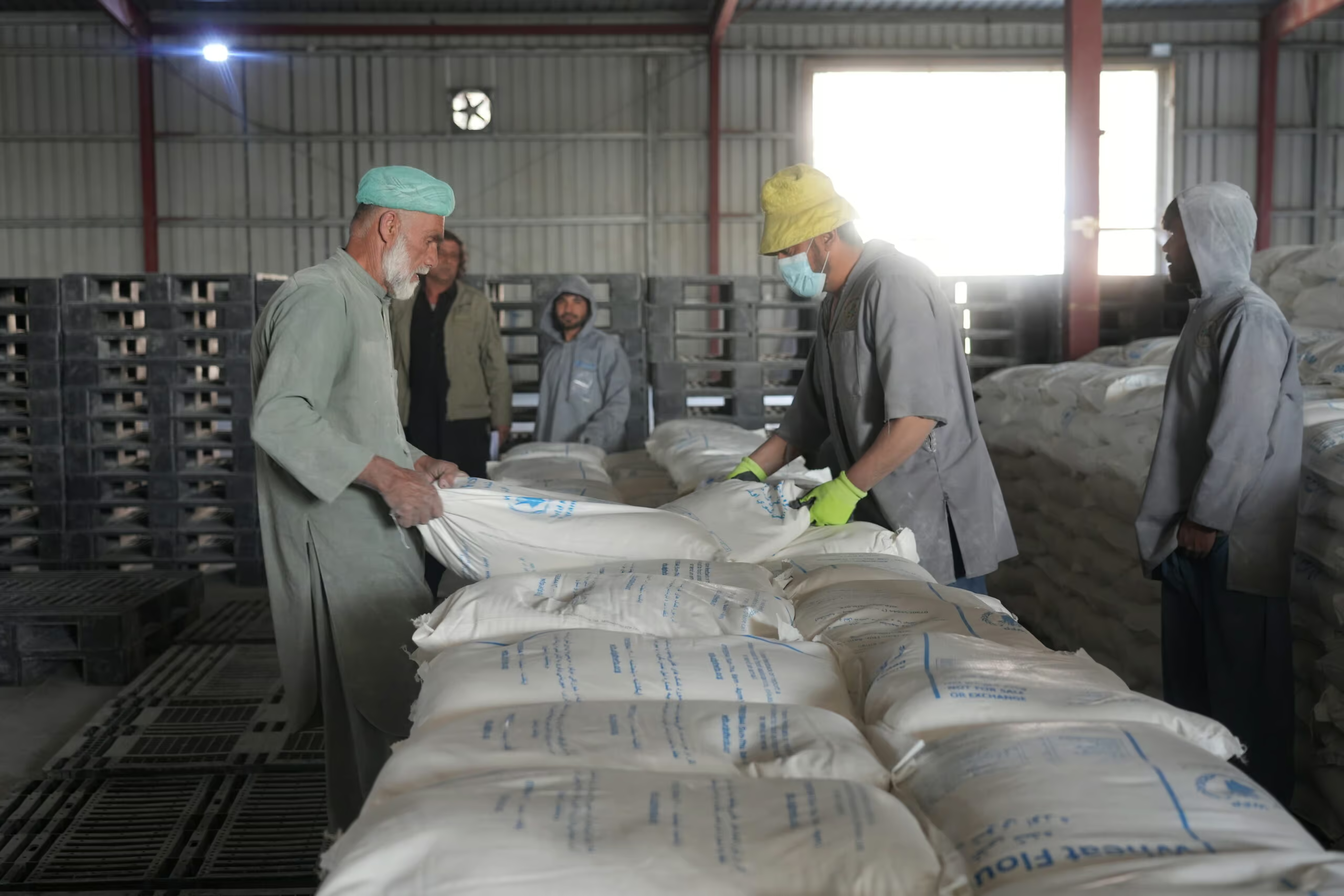
WFP has worked in Afghanistan for more than 60 years and, despite the challenges, is delivering lifesaving food to earthquake survivors.

Make a difference in Afghanistan

Afghanistan Hunger Stats

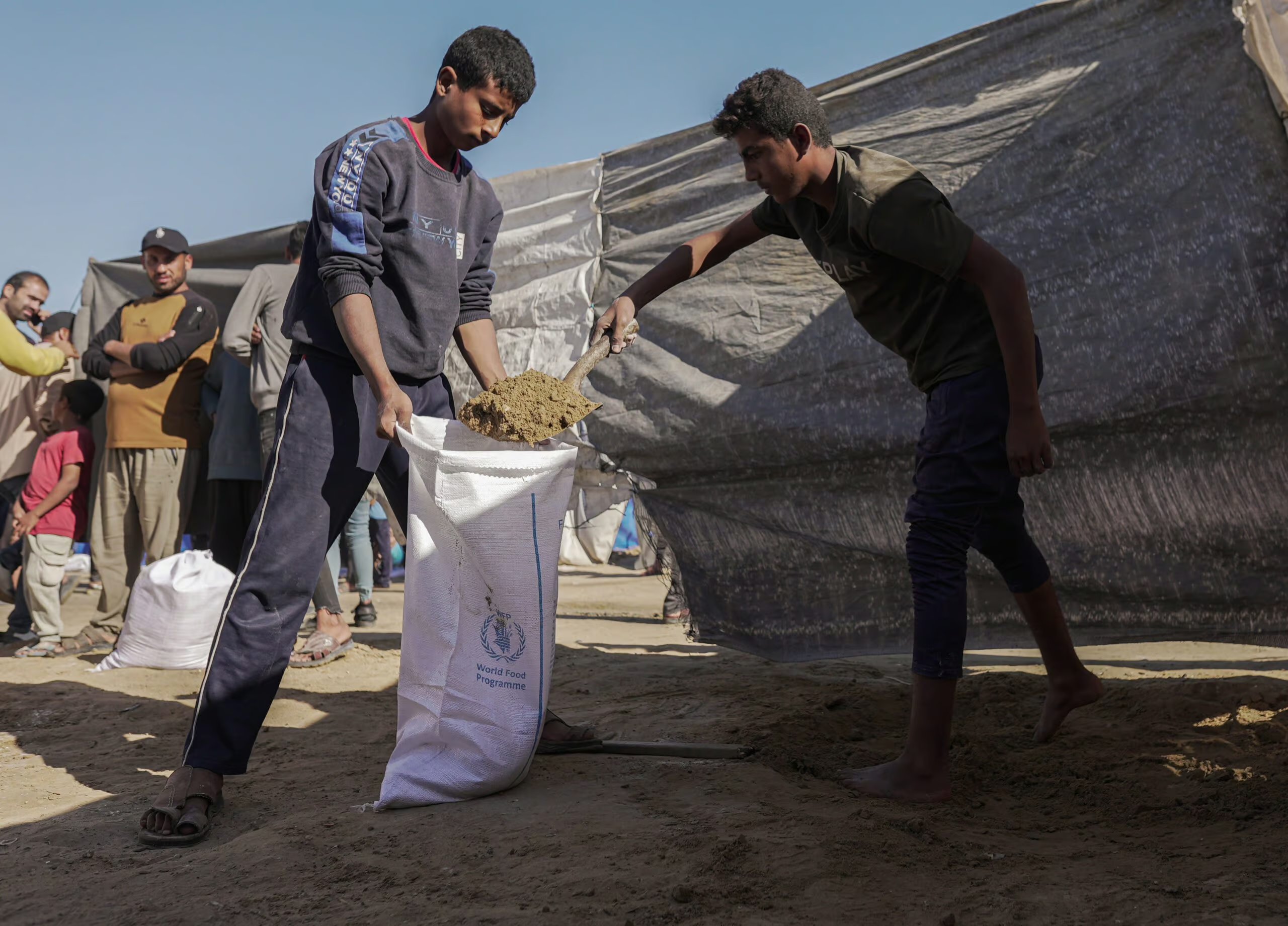
Decades of complex conflicts, combined with an economic crisis and natural disasters, have pushed 10 million Afghans into the most extreme levels of hunger.

Afghanistan Facts

New York
Show Places
New York
×
Geocoding Error Occured.

Tried to Geocode:

Error Type:

Please be sure to follow the tutorial on how to setup the Google APIs required for the Advanced Google Map Widget.

Google Map API Key Tutorial
Population: 43.8 Million
Background: Afghanistan gained its independence in 1919. It’s experienced conflict and instability in recent decades.
Geography & Climate: Afghanistan is a landlocked country in South and Central Asia. Its terrain has rugged mountains and with arid plains. The country has hot, dry summers and cold, harsh winters.
Economy: Afghanistan’s economy has shrunk significantly since 2021 due to instability and sanctions. With 69% of the population below the poverty line and reduced humanitarian aid, millions are food insecure.

Causes of Hunger in Afghanistan

No Image

Conflict

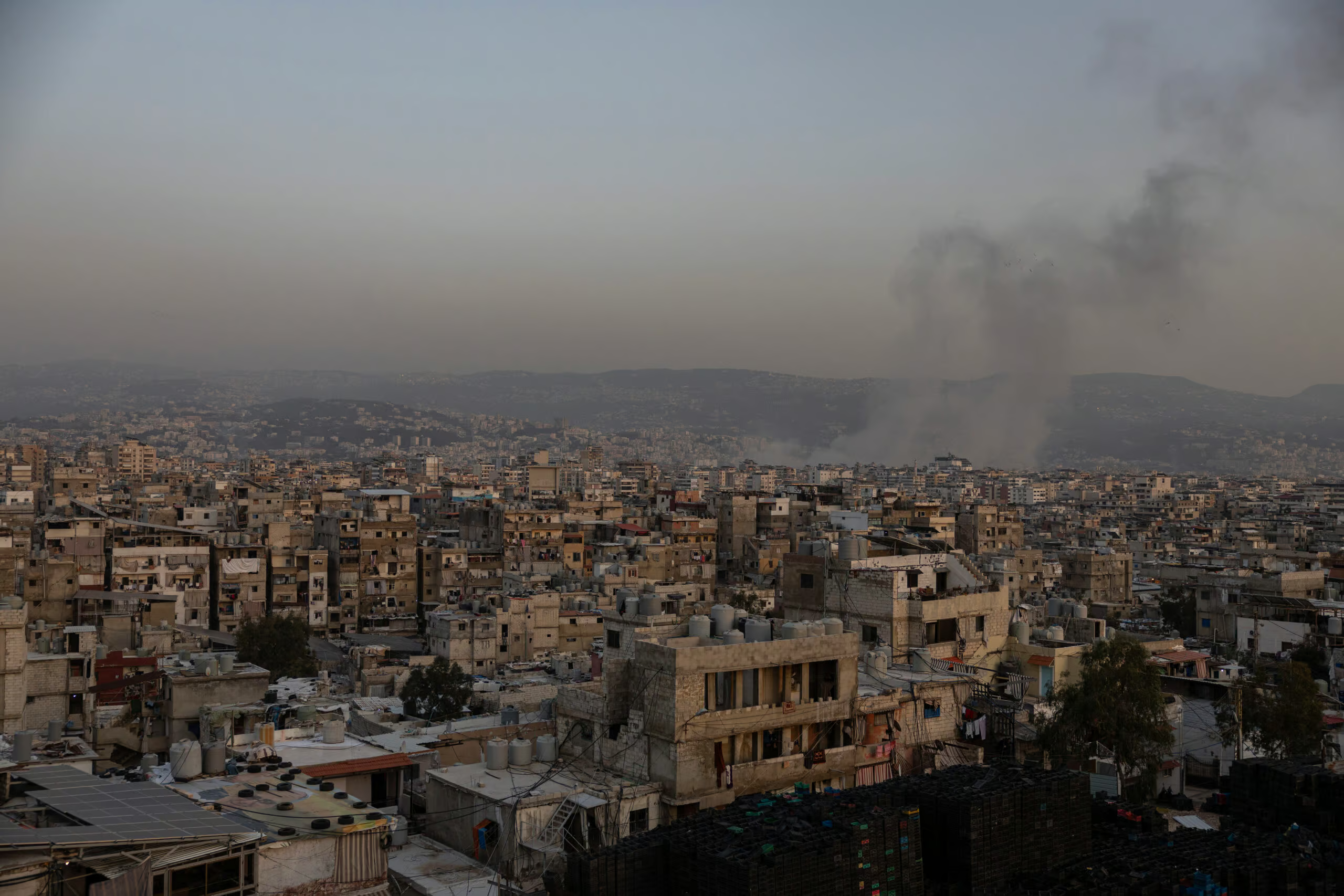
For decades, Afghans have lived through foreign intervention, civil war, insurgency and widespread insecurity. This has destroyed the country’s economic growth, limiting opportunities and making poverty worse. The recent escalation of conflict has thrown the lives of Afghan families into turmoil and uncertainty.
No Image

Earthquakes

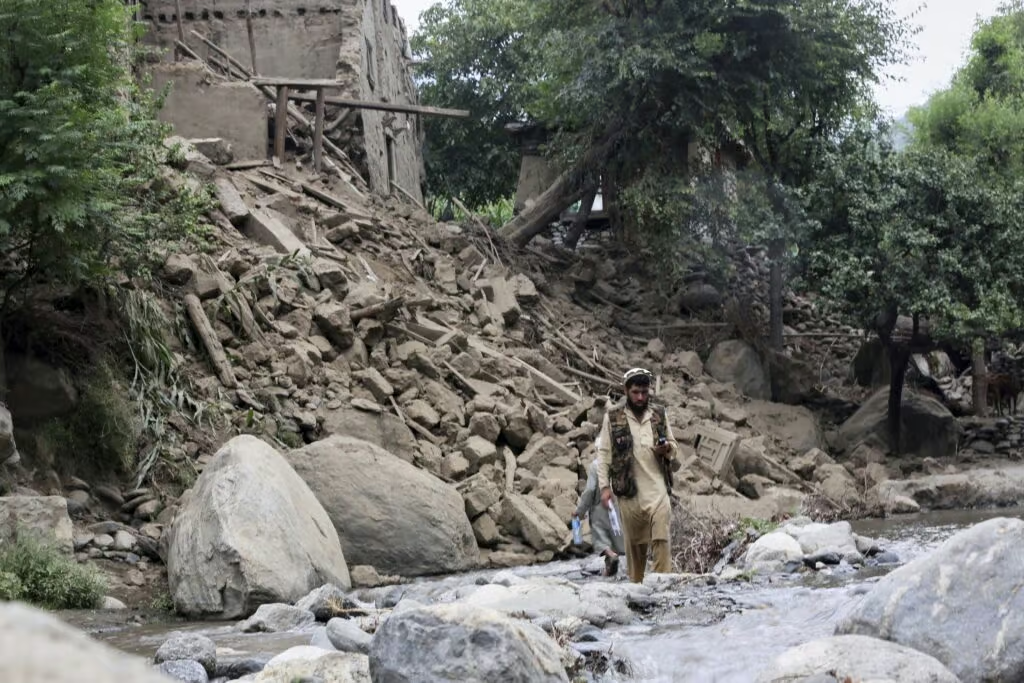
Afghanistan is especially vulnerable to earthquakes because it sits on top of multiple tectonic plates. The latest quake struck the evening of August 31, leaving 800 people dead and thousands injured. Families urgently need food to survive this disaster.
No Image

Drought

A massive drought in 2018 – the worst in a decade – wreaked havoc on most of the country. It displaced thousands, kept farmers from growing crops and forced people to sell animals. Today, drought conditions are taking hold with wheat harvests in northern and western Afghanistan.

History of Hunger in Afghanistan

WFP's Work in Afghanistan

WFP has worked in Afghanistan since 1963 with a special focus on women and girls. With your help, we provide:
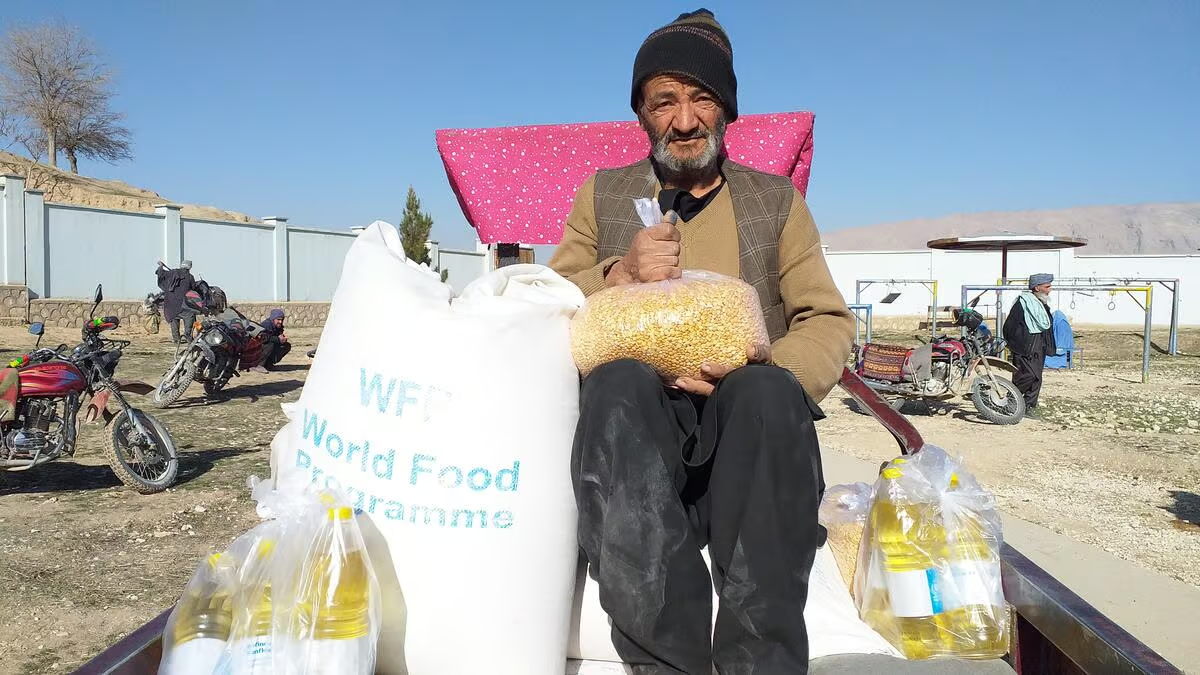
man sitting next to bags of food in truck
Food & Cash
In 2024, WFP reached 11.8 million people through emergency food and cash assistance. WFP prioritizes food assistance for vulnerable women and girls facing extreme hunger.
Learn More
girl in green headscarf eating biscuit and smiling
School Meals
WFP’s school meals are a lifeline for the children of Afghanistan. Through daily meals, hundreds of thousands of students receive the nutrition they need to thrive in the classroom.
Learn More
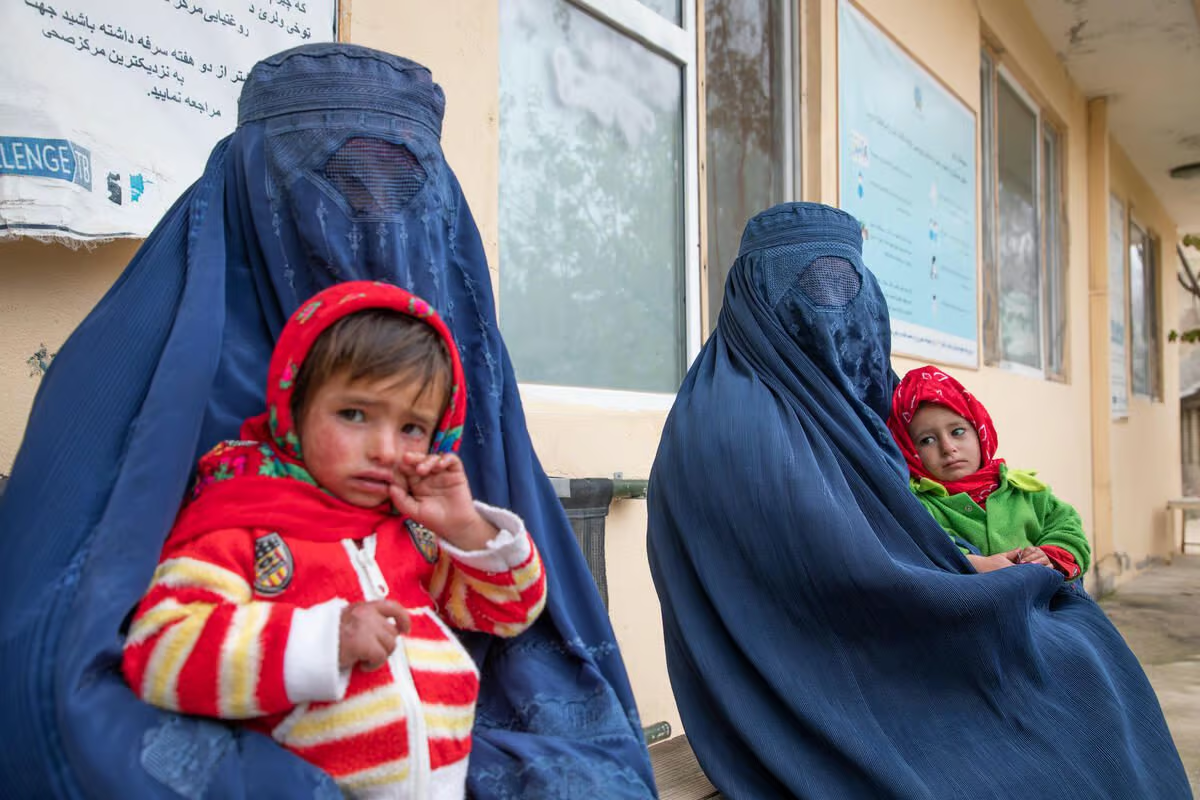
mothers wearing blue burqas and holding their children at nutrition center
Child Nutrition
Afghanistan faces the sharpest surge in malnutrition ever recorded in the country. WFP continues to support millions of women and children through nutrition assistance.
Learn More
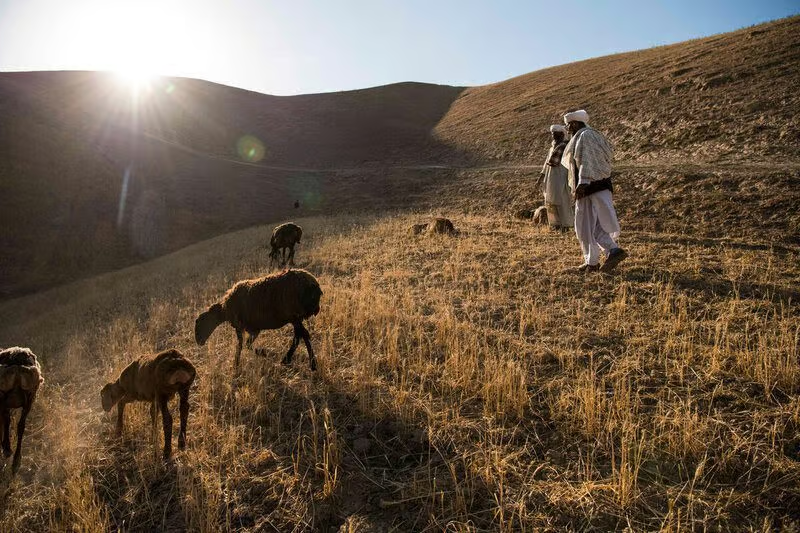
farmer stands in field with livestock
Resilience Building
WFP helps communities to build assets like flood protection walls and water canals. These projects protect agricultural land and combat the effects of the climate crisis.
Learn More

Latest News From Afghanistan

WFP Delivers Lifesaving Assistance to Families Caught in Conflict in Afghanistan

Scroll to Top