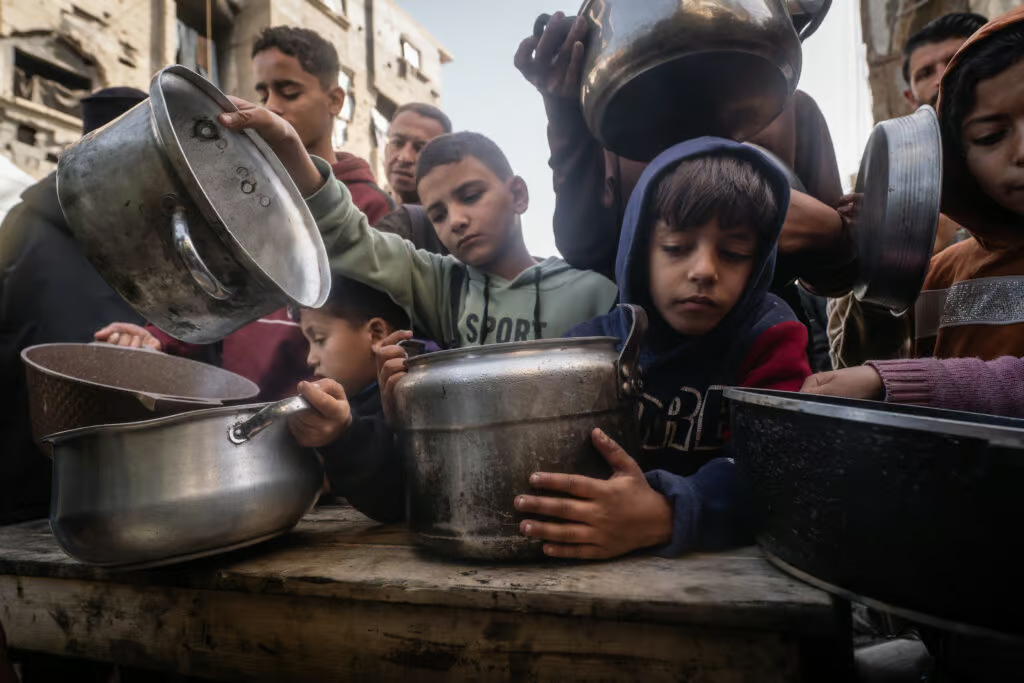
In our modern society, why are people still hungry? We have advanced smartphones, self-driving cars and artificial intelligence, so why can’t we provide everyone with one of most the basic resources needed to survive: food? After all, the world produces more than enough food to feed everyone. Yet millions of people still don’t have enough to eat.
In this article, you’ll learn about the barriers to food security, how extreme poverty traps people in a cycle of hunger and how conflict and disasters can destroy food systems instantly. We’ll also talk about the solutions to hunger, from emergency food aid that saves lives to long-term support that helps communities become more resilient.
Hunger Isn’t Just About Food Availability, It’s About Access
Hunger often occurs when people can’t access the available food there is.
Affordability can be the first barrier. Food may be available in local markets, but if wages or employment are low and prices are high, families can’t afford it. People often cope by cutting portion sizes or skipping meals entirely.
There can be physical barriers to food. In many rural areas, families may live far away from functioning markets. Without reliable roads or transportation, food becomes harder to reach.
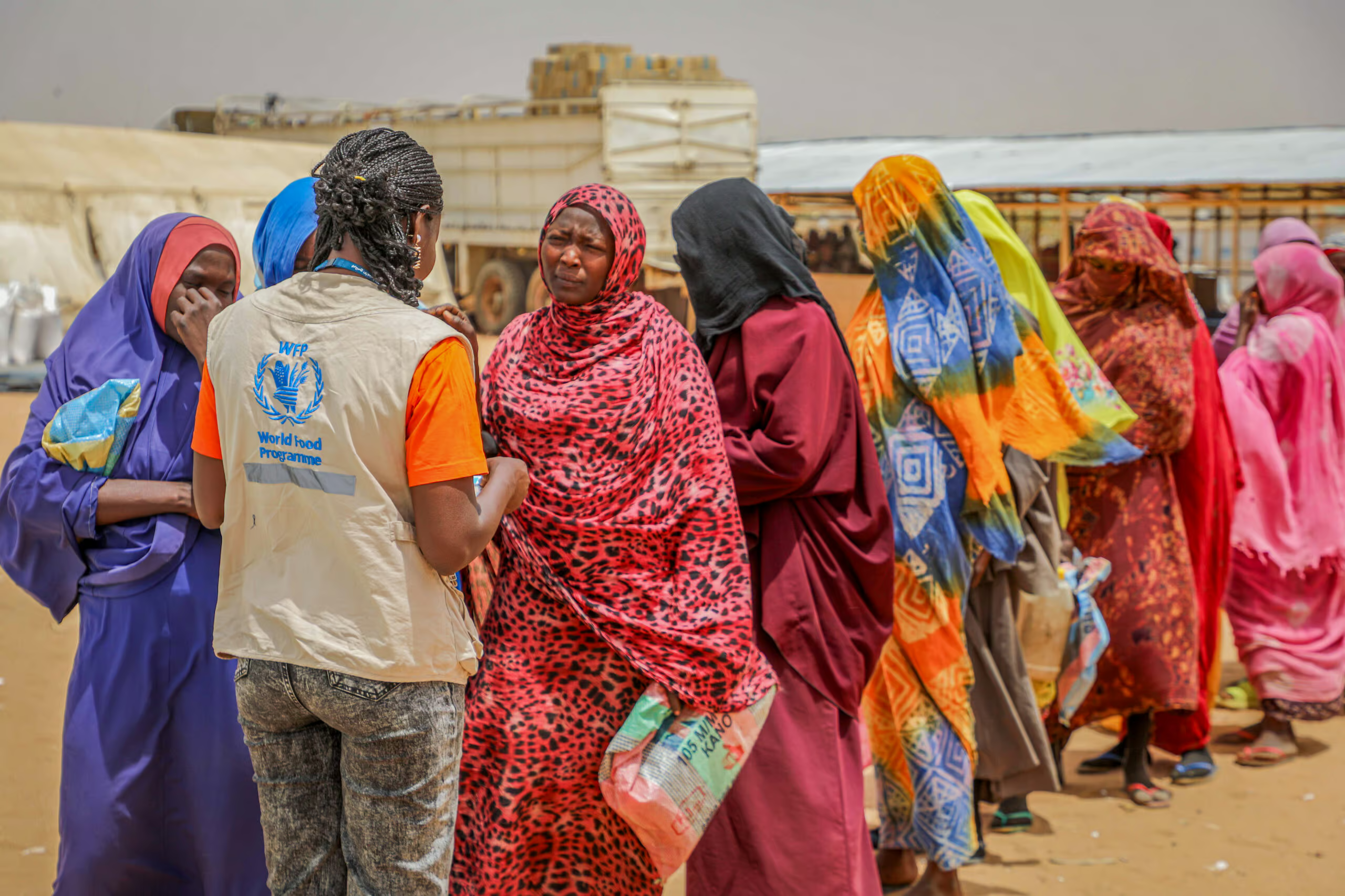
Social barriers can affect the most vulnerable people. In some societies, entrenched norms force women to eat least and last, sacrificing their own meals for other family members. Refugees may face movement or employment restrictions – making it harder to earn money and buy food.
Extreme Poverty Fuels the Cycle of Hunger
Extreme poverty doesn’t just make people hungry, it makes hunger hard to escape. When a family is barely scraping by, a small shock can be life-changing.
Families with very little often lose more. When food prices increase, a family member becomes ill and misses a paycheck or there’s a poor harvest, the economic impact can be devastating. To make ends meet, families may use up their savings or sell the last of their belongings to afford food.
Hunger also creates a health and productivity spiral. When people don’t get enough to eat, or don’t get enough nutrients, their bodies and brains have less fuel to work, learn and stay healthy. That can mean lower productivity and more illness, leaving people physically weaker and unable to earn an income.
Coping mechanisms can push people deeper into poverty and hunger. Families living on less than $3 dollars have to make difficult decisions just to survive – whether that means selling their remaining livestock or taking their kids out of school. Decisions like these save families money in the short term but hurt their ability to access food in the future.
Especially in areas that are vulnerable to frequent climate-related disasters or affected by protracted conflict, families don’t have enough time to recover before the next crisis hits. So families and children become caught in a relentless spiral of hunger and extreme poverty.
Conflict and Disasters Destroy Food Systems
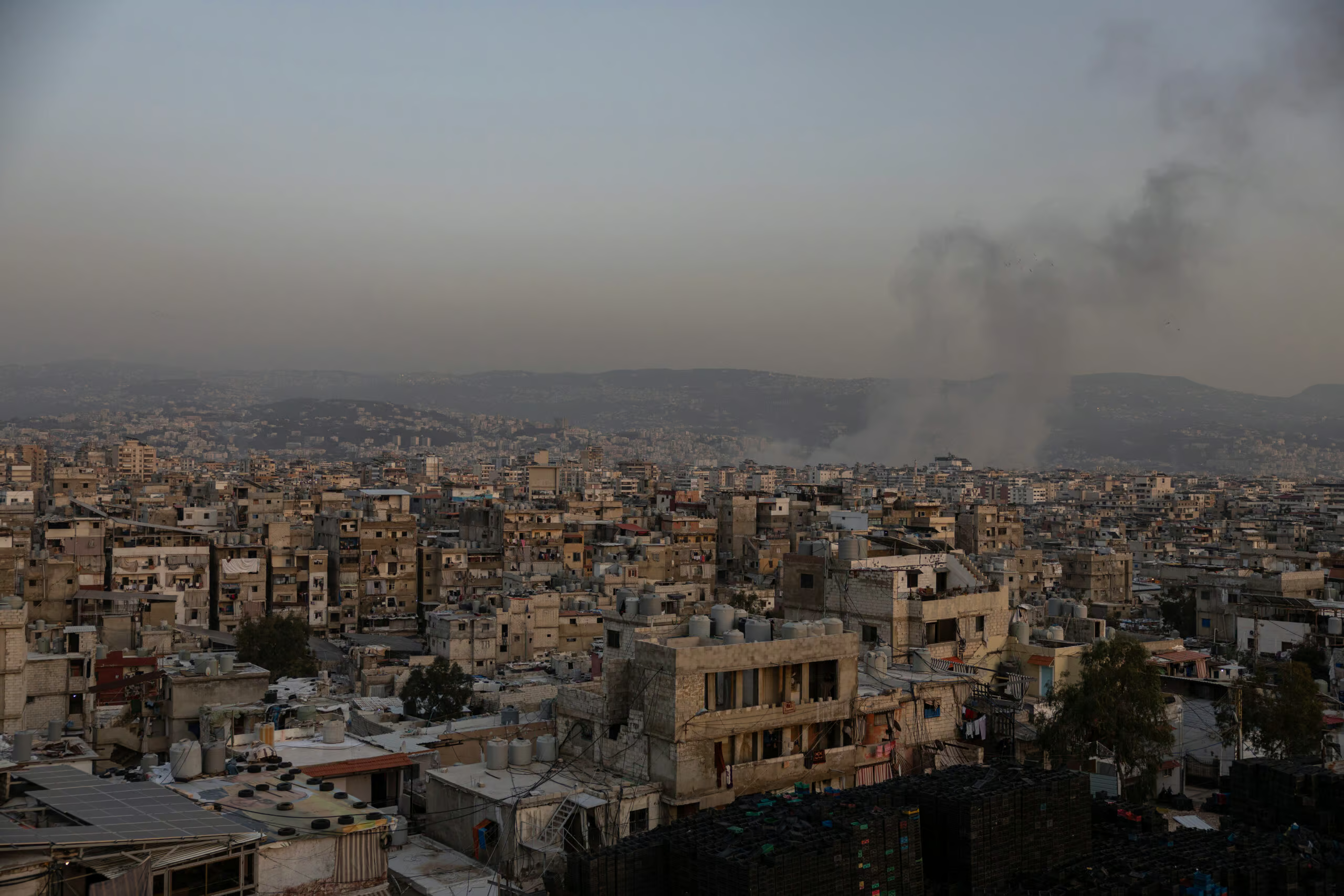
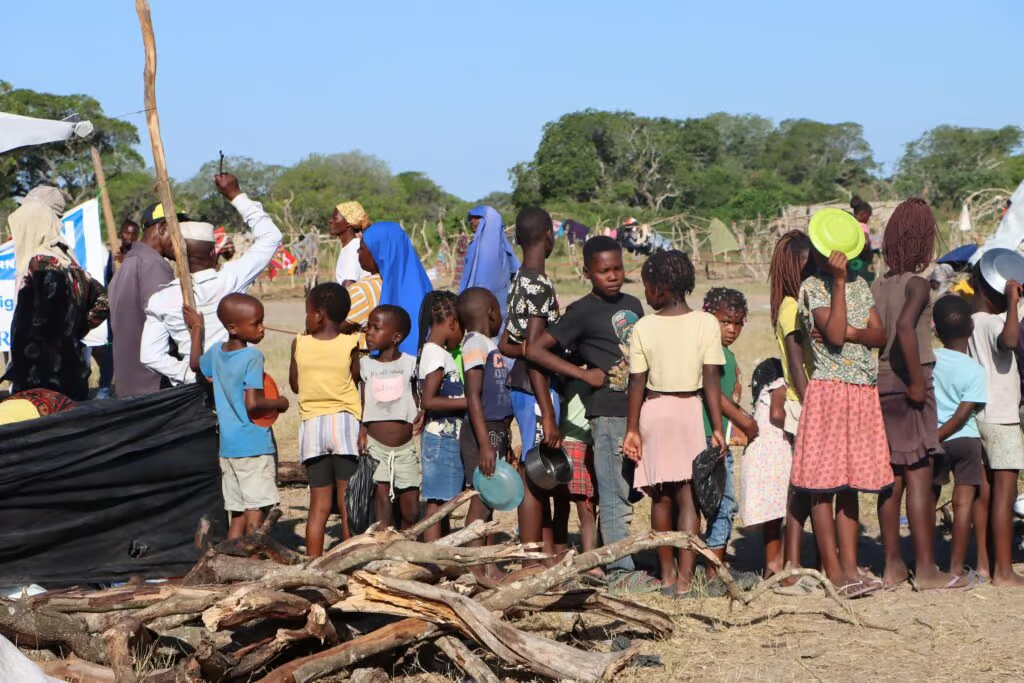
When conflict erupts, so does hunger. Fighting can destroy farmland and irrigation systems, shut down markets and cut off roads and supply routes. It also wipes out incomes: People lose jobs, prices skyrocket and it can become too dangerous to travel to work or to buy food. That’s why conflict is primary driver of hunger in the world.
Climate extremes and natural disasters can be just as disruptive, especially where communities are already caught in a cycle of hunger. Droughts, storms, floods and earthquakes can wipe out harvests, kill livestock and damage roads and bridges, making it harder to access and afford food.
Displacement only makes a hunger crisis worse. When families are forced to flee from conflict or disasters, they leave behind their homes, belongings and community support. Overnight, people can lose the ability to earn money and buy food, so they become dependent on aid just to make it through each day.
Food Aid Save Lives in Emergencies and Builds Resilience in the Long-Term
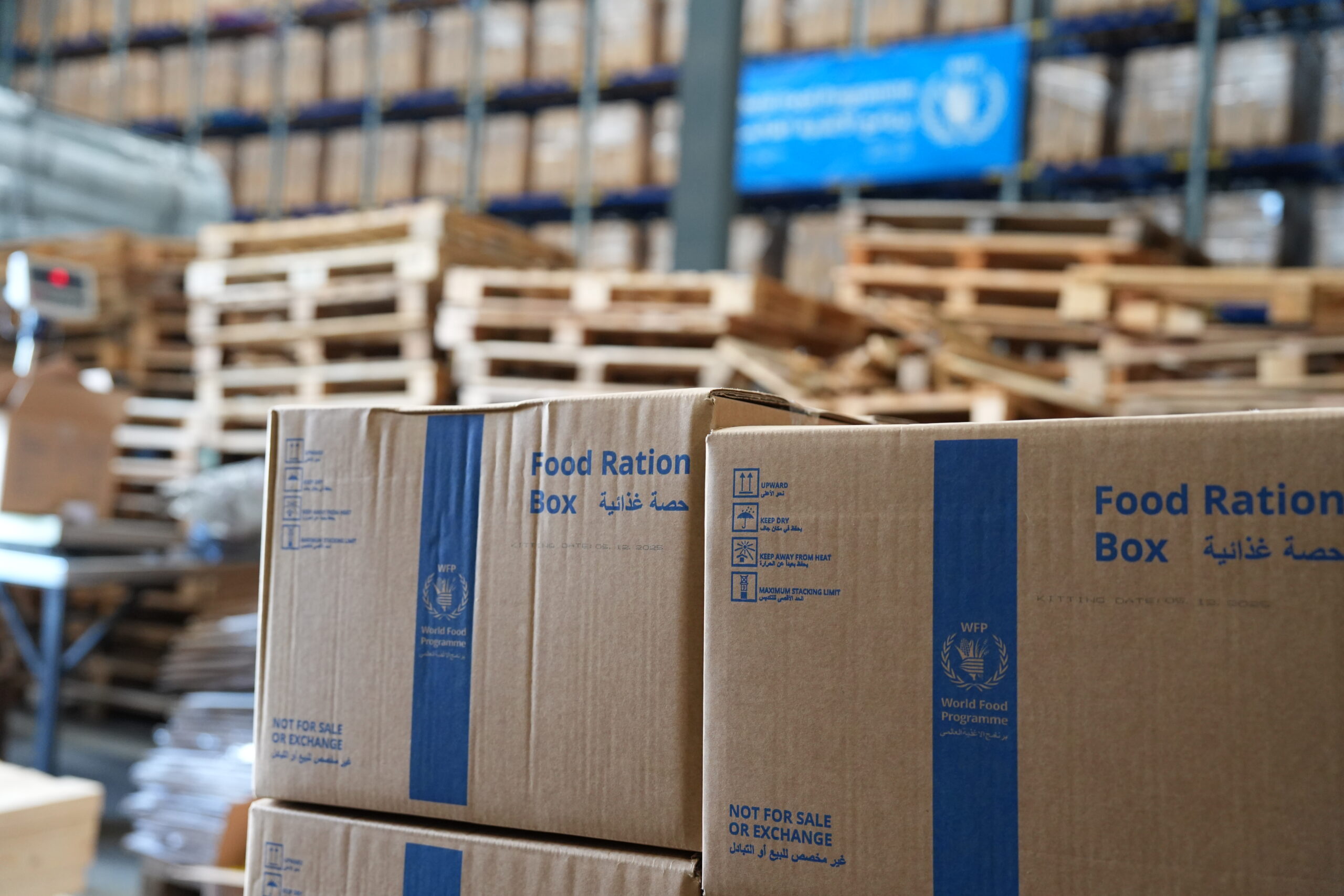
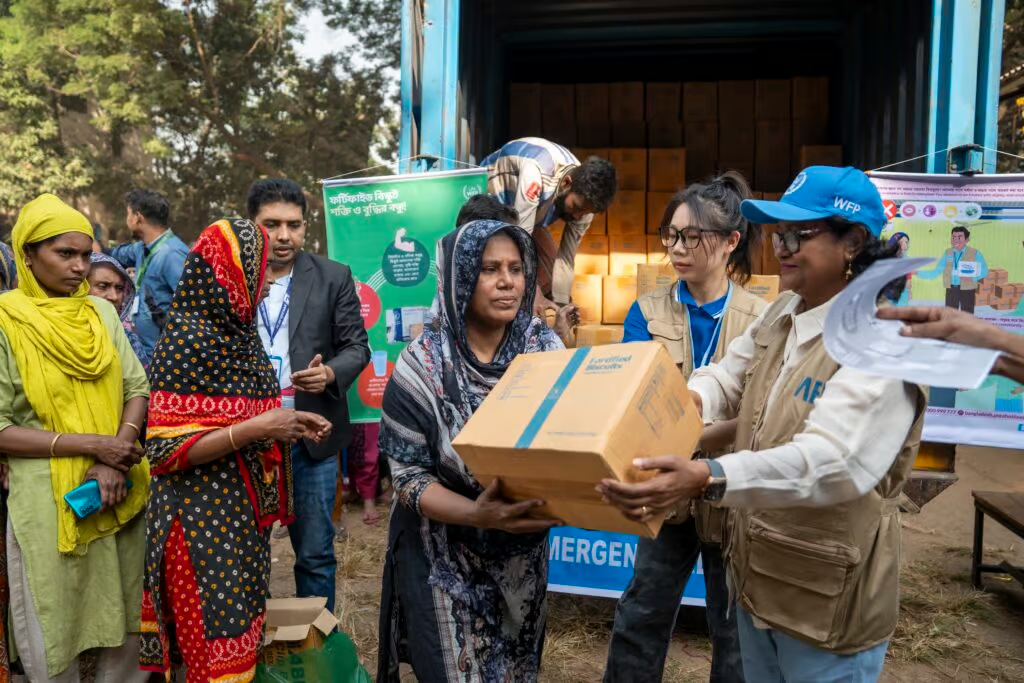
In a crisis, emergency aid can save lives. Hot meals, cash-based support (like vouchers or e-cards) and specialized nutrition assistance can quickly restore people’s access to food, so they don’t have to skip meals or sell their assets just to survive. Just one emergency box of food from the World Food Programme (WFP) can provide a family of five with enough food for a month.
Humanitarian aid can also solve hunger in the long-term. By addressing the root causes of hunger and strengthening the systems that disasters break, WFP helps communities build long-lasting food security and resilience. Whether it’s through food and cash assistance, skills training or land rehabilitation projects, we provide people with the resources they need to prepare for, quickly recover from and adapt to crises – without resorting to coping mechanisms. This work includes investing in small farms and businesses so people can generate income and become self-sufficient.
We Can End World Hunger, We Just Need Action
Hunger doesn’t have to exist today. We have the knowledge and tools to end world hunger for good. We just need collective action, and that’s where you can help.
You can advocate for hunger relief programs by writing to your representatives in Congress. Tell them it’s important for the United States to continue funding for humanitarian aid worldwide so organizations like WFP can deliver food to people caught in the worst hunger crises.
You can also donate to World Food Program USA. Your gift will send lifesaving food to people facing hunger crises around the world.