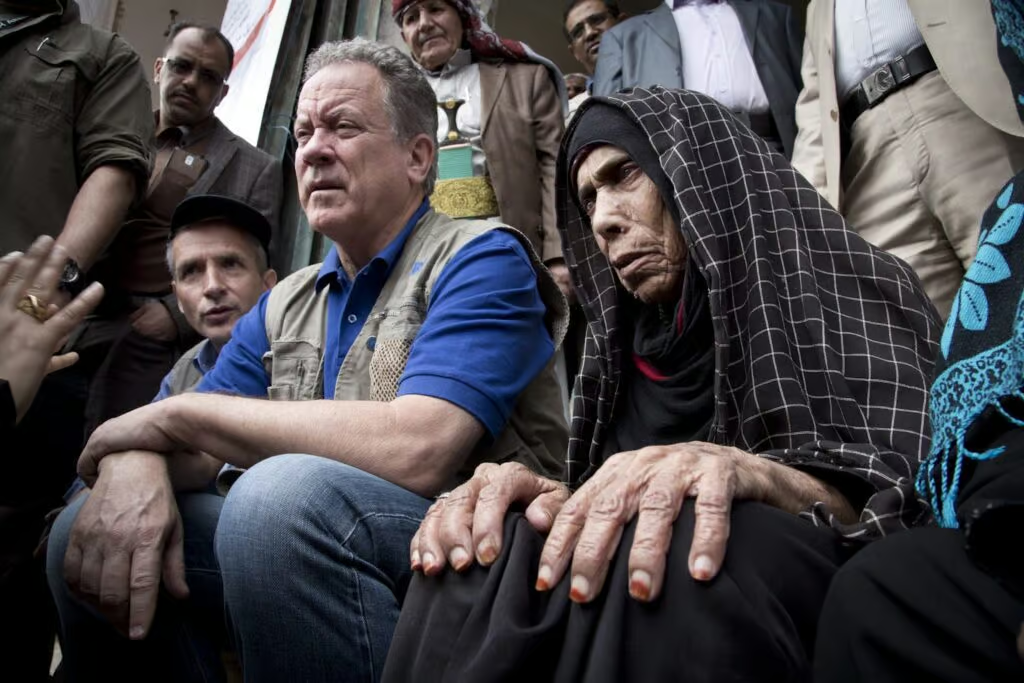
This week, the Executive Director of the United World Food Programme (WFP) traveled with the heads of UNICEF and the World Health Organization (WHO) to survey emergency operations in Yemen, a country plagued by conflict, a cholera outbreak and a looming famine.
Right now two-thirds of the population doesn’t know where their next meal will come from and 395,000 children are severely malnourished.
Together with WHO Director-General Tedros Adhanom Ghebreyesus and UNICEF Executive Director Anthony Lake, U.N. World Food Programme Executive Director David Beasley witnessed children in a hospital whose bodies were so weak from malnutrition and fatigue that they could barely gather the strength to breathe.
This malnourished population is now more susceptible to the country’s deadly cholera epidemic. And vital health and water infrastructure are in ruins — making fighting off the waterborne bacteria that much more difficult.There is hope. The U.N. World Food Programme, WHO and UNICEF are working in partnership with the national government to address the cholera outbreak with food assistance for patients and caregivers in more than 100 treatment centers. The result? Patients with access to these health services are showing a 99 percent survival rate.
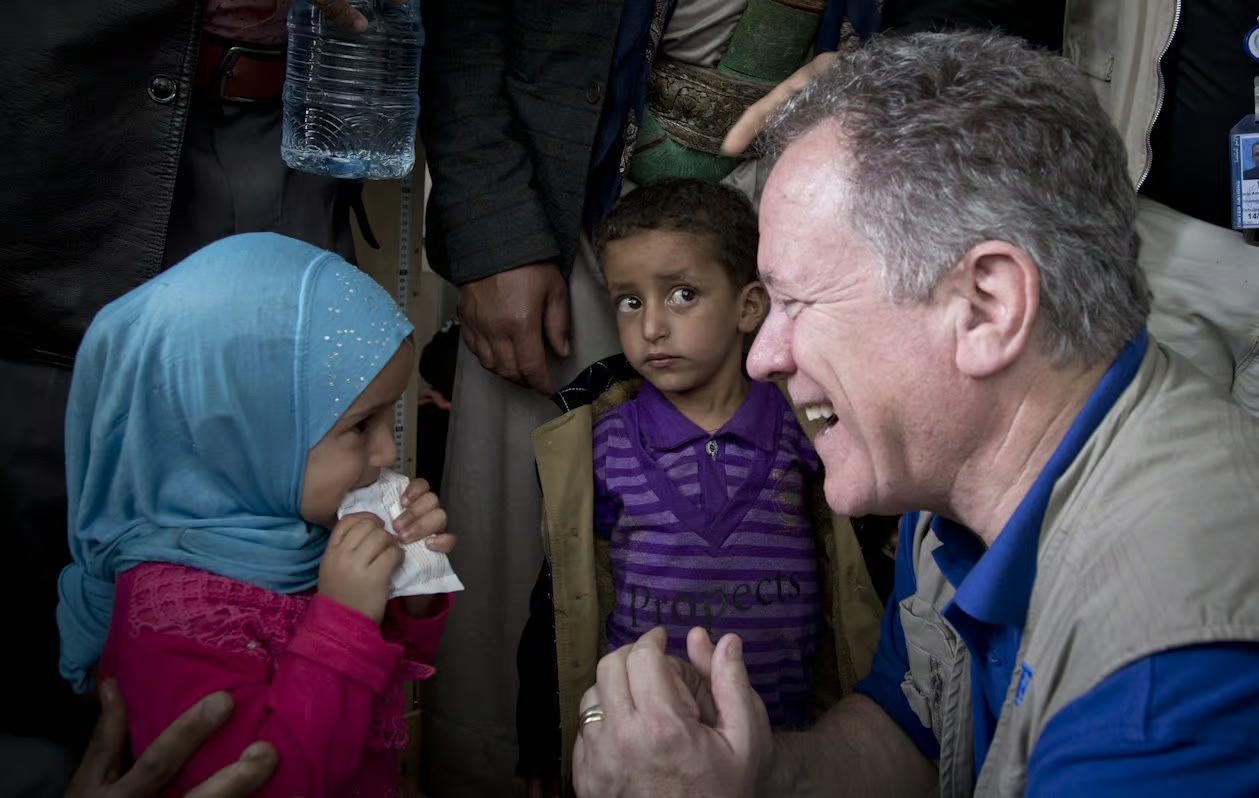
In addition, the U.N. World Food Programme has rolled out trials of specialized ready-to-use food — through a peanut-based paste called Plumpy’Sup — in two diarrheal treatment centers in Sana’a. Based on the outcome of the trials, it may extend this assistance to all operational centers countrywide.
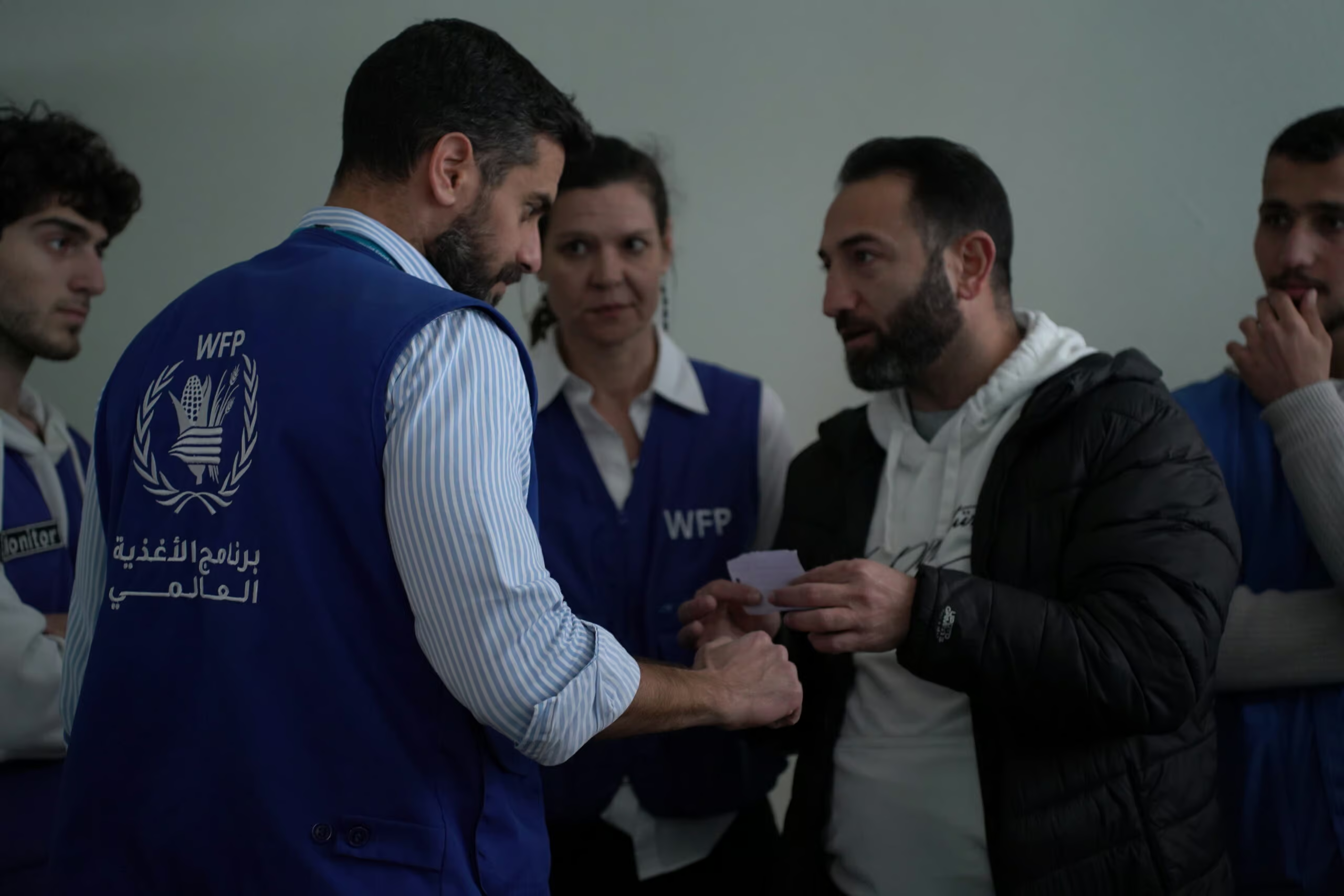
At the same time, the U.N. World Food Programme is continuing to lead the entire humanitarian community in fighting famine in Yemen. In providing food assistance, food vouchers and curative and preventative nutrition, the agency is feeding millions of families in desperate need. As the lead agency on logistics and telecommunications, it is ensuring that all humanitarians can get access with the necessary supplies to helping those who need a hand.
But the situation remains dire.
“Thousands are falling sick every day. Sustained efforts are required to stop the spread of disease,” Beasley, Ghebreyesus and Lake issued in a statement today. “Nearly 80 percent of Yemen’s children need immediate humanitarian assistance.”
And because of funding shortfalls, the U.N. World Food Programme is forced to make impossible choices about who receives food.
That’s why we need your support. the U.N. World Food Programme cannot do its lifesaving work without the help of generous people like you.