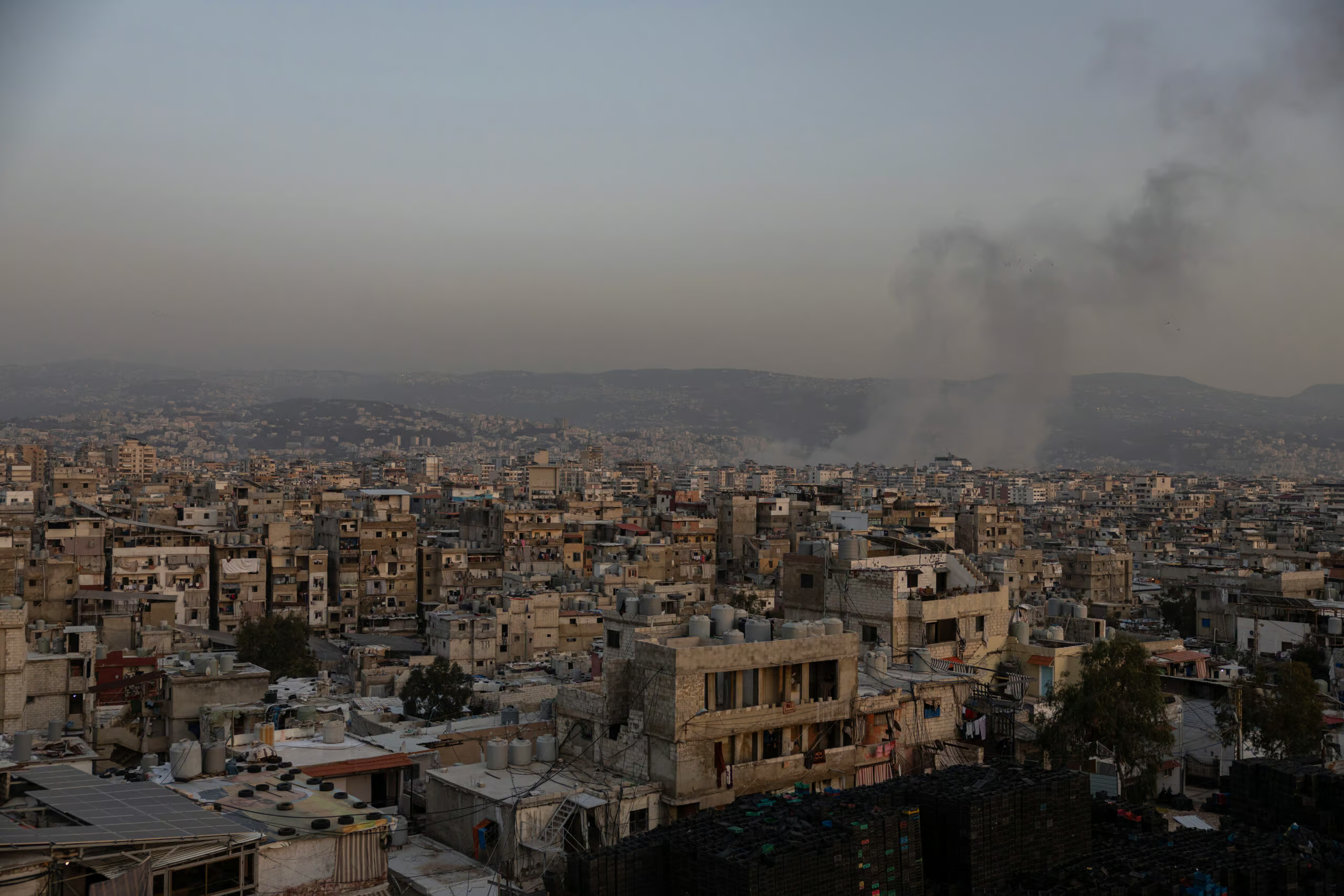
GAZA – One hundred days into the ceasefire, the World Food Programme (WFP) has significantly expanded its lifesaving operations across the Gaza Strip, reaching more than 1 million people each month. While critical progress has been made in pushing back famine, the situation remains extremely fragile. Sustained access through all crossings, the flow of humanitarian and commercial goods, and the continuation of the ceasefire are essential to prevent Gaza from sliding back into catastrophic hunger.
Here are the latest updates on WFP operations and food security in Gaza:
WFP Operations:
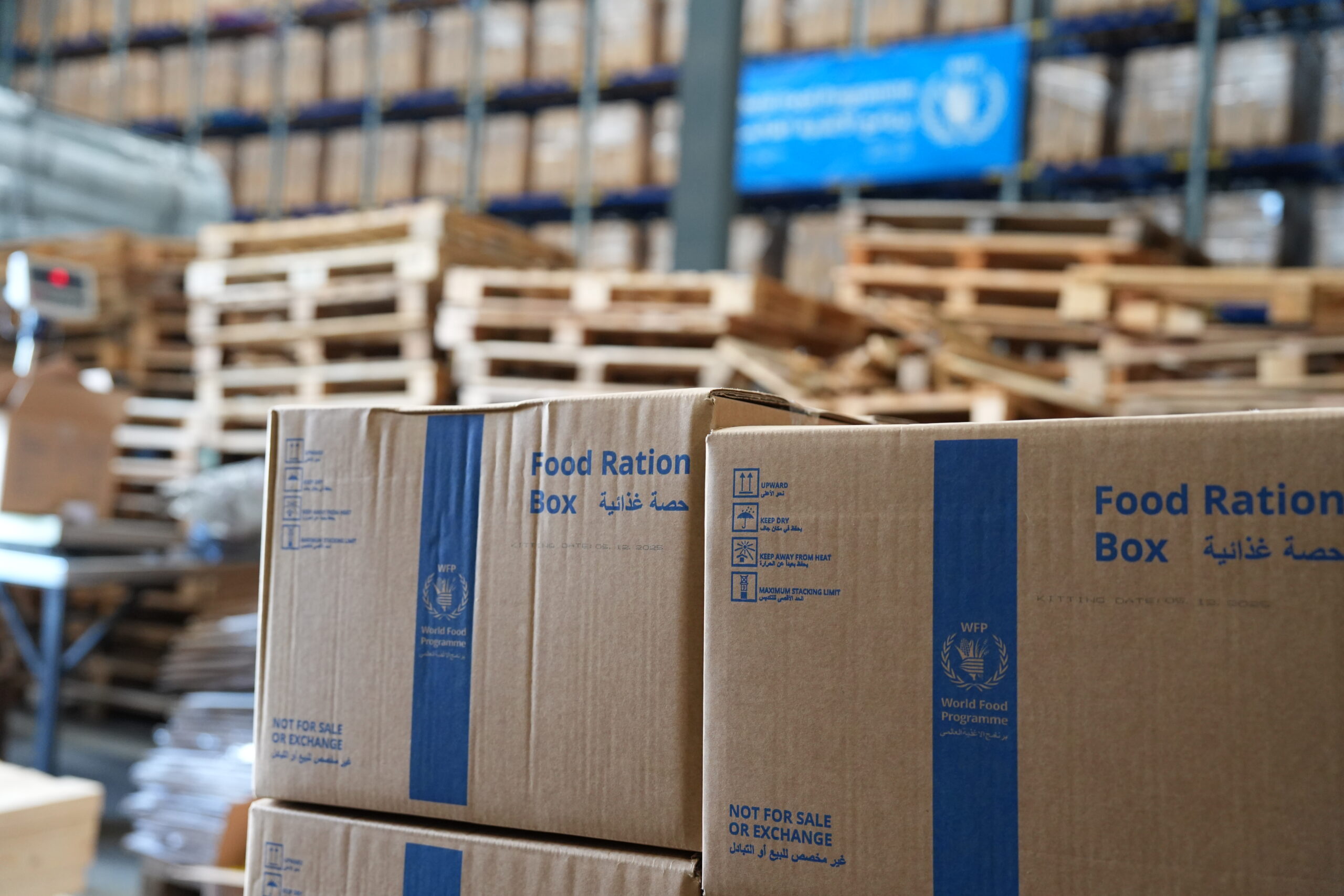
- In the 100 days since the ceasefire, WFP has expanded operations, reaching more than 1 million people each month through food boxes, bread bundles, hot meals and school meals.
- WFP and our partners now operate hundreds of distribution sites and 20 warehouses inside Gaza, including areas near the yellow line such as Bait Lahia and Jabalia Camp.
- WFP and partners are now delivering:
- For the first time since the beginning of the war, a full ration of two wheat flour bags and two food boxes to over 1 million people in Gaza each month.
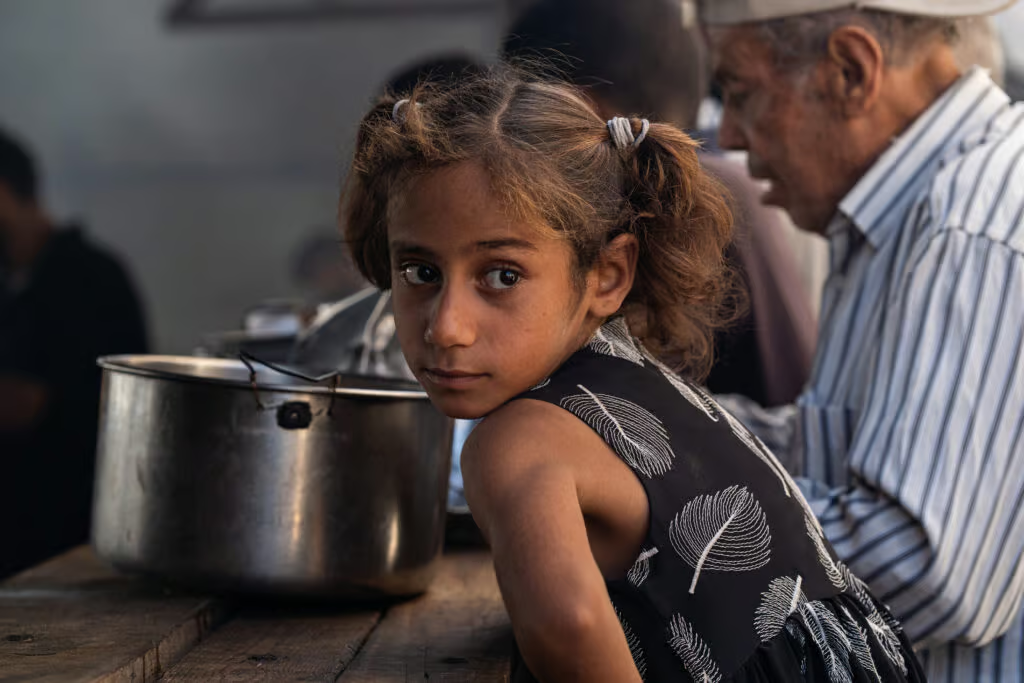
- Over 400,000 hot meals served daily via 45 community kitchens.
- Malnutrition prevention to 200,000 children under 5 and pregnant and breastfeeding women, and treatment to nearly 14,000 women each month.
- School snacks for 235,000 children in 250 temporary learning spaces – reaching almost 40% of school-aged children.
- Digital payments to 60,000 households (300,000 people) monthly to buy food from local markets.
- Bakeries in Gaza continue to be a vital lifeline. By supporting bakeries, WFP provides food and jobs.
- The WFP-led Logistics Cluster is facilitating the transportation of tents, blankets, wash stations and mattresses on behalf of humanitarian partners.
Food Security Situation in Gaza:
- The food security gains achieved over the last 100 days remain fragile.
- According to the most recent Integrated Food Security Phase Classification (IPC) analysis in December, 77% of the population is still facing crisis levels food insecurity (IPC 3 and above), with over 100,000 people experiencing catastrophic levels of hunger (IPC 5).
- Almost all families in Gaza are dependent on food aid. This is not sustainable in the long term. We must continue the lifesaving flow of aid while rebuilding livelihoods, dietary diversity and self-sufficiency towards recovery.
- More commercial goods are entering Gaza, but most families still cannot afford them as food prices remain far too high.
- Access to nutritious food, such as fresh fruit, vegetables, meat and dairy, is limited. WFP’s digital cash assistance to the most vulnerable families helps them buy the food they need while also stimulating the economy to improve supplies.
Challenges for Recovery:
- Border crossings must stay open, volumes of food aid and commercial goods must keep flowing, and the ceasefire must hold if we are to prevent Gaza from slipping back into the worst levels of hunger.
- Additional safe humanitarian corridors via Jordan and Egypt are essential for delivering food, water, medicine and shelter. Internally, reopening Salah Eddin road would significantly improve transport efficiency and reduce exposure to security threats.
- Support for the private sector is critical to boost markets. Damaged infrastructure, movement restrictions and the lack of refrigerated supply chains has slowed improvements.

- Many families are still ill-equipped to endure the winter months in the open as hundreds of thousands are still displaced from their homes, living in tents or heavily damaged buildings.
- To sustain lifesaving assistance, uninterrupted access is critical for WFP and its humanitarian partners.
- The road to recovery for the families in Gaza is long. WFP is committed to supporting the most vulnerable to ensure stability, dignity and hope.
# # #
The World Food Programme is the 2020 Nobel Peace Prize Laureate and the world’s leading humanitarian organization, saving lives in emergencies and using food assistance to build a pathway to peace, stability and prosperity for people recovering from conflict, disasters and the impact of climate extremes.
Follow WFP on X, formerly Twitter, via @wfp_media