This is a summary of what was said by Samer Abdeljaber, WFP regional director for the Middle East, North Africa and Eastern Europe (speaking from Cairo via Zoom) — to whom quoted text may be attributed — at today’s press briefing at the Palais des Nations in Geneva.
GENEVA – Driven by ongoing security developments, the humanitarian situation across the Middle East is changing quickly. The World Food Programme (WFP) is operational, positioned and ready to scale as needs grow. They have activated emergency preparedness measures across the region and they can move fast.
World Food Programme country offices are preparing to scale up quickly if displacement increases, including in Iran, Türkiye, Iraq, Syria, Lebanon, Jordan, Yemen, Gaza and Armenia.
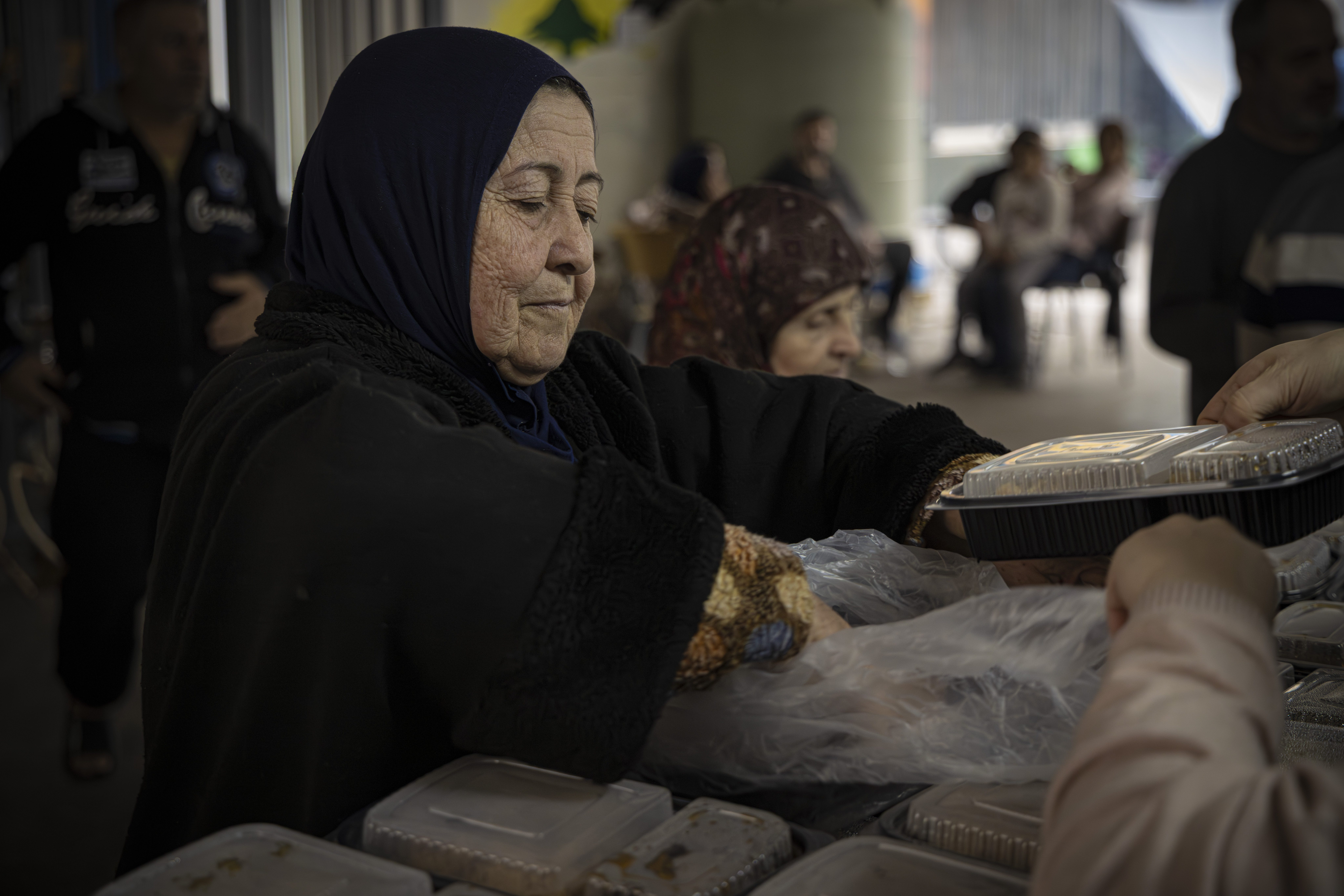
In Lebanon, WFP has already activated contingency plans in coordination with local authorities, providing food assistance and support for those who have already been displaced by the conflict.
At the same time, the impact of the conflict on commercial wehipping and air travel are piling pressure on the humanitarian supply chains that WFP runs, on staff movements and on logistics planning.
At this point, WFP estimates that at least $200 million would be needed to sustain an initial three-month emergency response if the crisis escalates further across the Middle East.
ON LEBANON
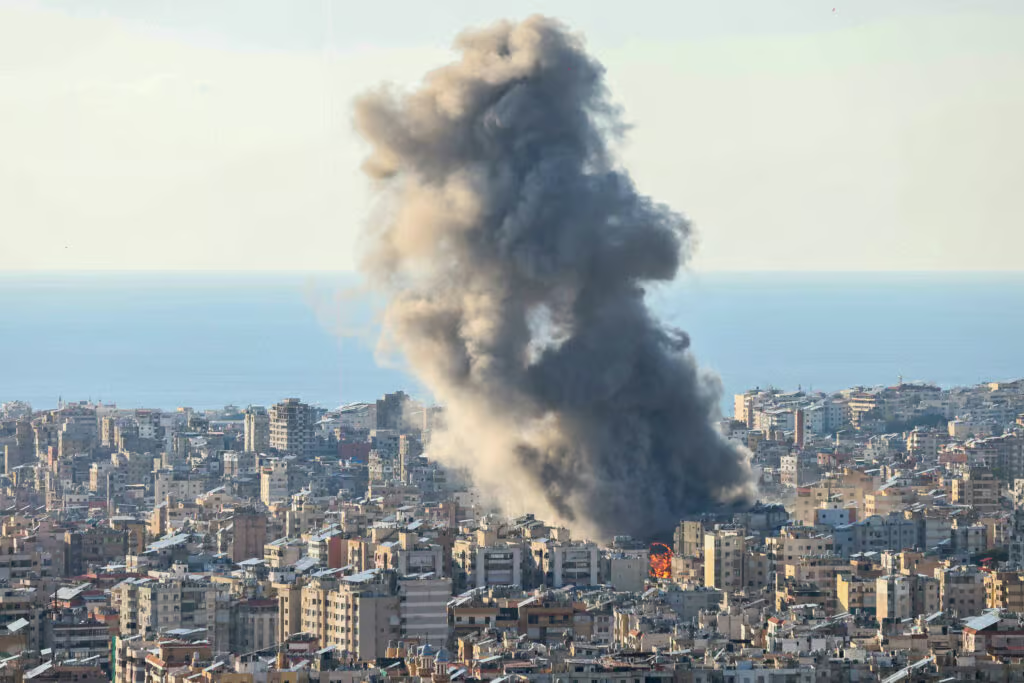
Lebanon is the first country where WFP needed to respond immediately due to displacements. Population movements remain fluid, with people leaving South Lebanon, the Bekaa and Beirut’s southern suburbs for shelters and host communities.
Official figures indicate nearly 30,000 people have been displaced so far and they believe this figure will climb much higher. The government has opened 21 shelters and WFP is working closely with the Ministry of Social Affairs, national authorities and humanitarian partners.
Within hours of shelters opening in Lebanon, WFP was on the ground — providing hot meals, ready-to-eat meals and bread to families who had nowhere else to go. They are working with the government on an emergency cash safety net that can reach up to 100,000 people if the situation deteriorates further.
We’re also concerned about Syrian refugees who WFP has been supporting inside Lebanon, and they will continue to advocate for that program to make sure that they are supporting them despite the current difficulties.
ON GAZA
WFP was worried because the borders to Gaza and the crossings have been closed since the escalation. They got the good news today that the Kerem Shalom crossing will be opened. This is timely for the agency, and they need to get in aid as fast as they can.
WFP has wheat flour that is sufficient only for 10 days and food packages that will maintain their programs only for two and a half weeks. So, WFP needs to make sure that there is a continuous and scalable flow of food into the Gaza Strip.
Of course, there is a commercial sector that was going into the Gaza Strip and WFP is trying to scale up their cash assistance. But if closures or delays continue to affect operations, they expect that they will have to reduce their general food assistance ration size to almost 25% to support 1.3 million people with flour and food boxes.
ON LOGISTICS
Across the region, the humanitarian supply lines are under growing strain. The rising security risks in the region are choking shipping routes and disrupting aid delivery.
Maritime access is becoming more difficult. Risks in the Strait of Hormuz, combined with the threat of renewed attacks in the Red Sea, are disrupting shipping between Asia and the Middle East. These disruptions are increasing transport costs, extending delivery times and tightening the availability of containers.
Ongoing airspace closures across the Gulf are also limiting crew changes and complicating humanitarian rotations and emergency deployments.
With airspace closing and seas contested, WFP is racing to adapt. WFP and partners are doing that by, for example, increasing reliance on suppliers and transit routes in Türkiye, Egypt, Jordan and Pakistan, and using land corridors between the UAE and the Levant where possible. They’re also relying on Egypt’s fully operational ports and the Suez Canal, which remain critical hubs for the region.
# # #
The World Food Programme is the 2020 Nobel Peace Prize Laureate and the world’s leading humanitarian organization, saving lives in emergencies and using food assistance to build a pathway to peace, stability and prosperity for people recovering from conflict, disasters and the impact of climate extremes.
Follow us on Twitter @wfp_media
Originally posted on wfp.org