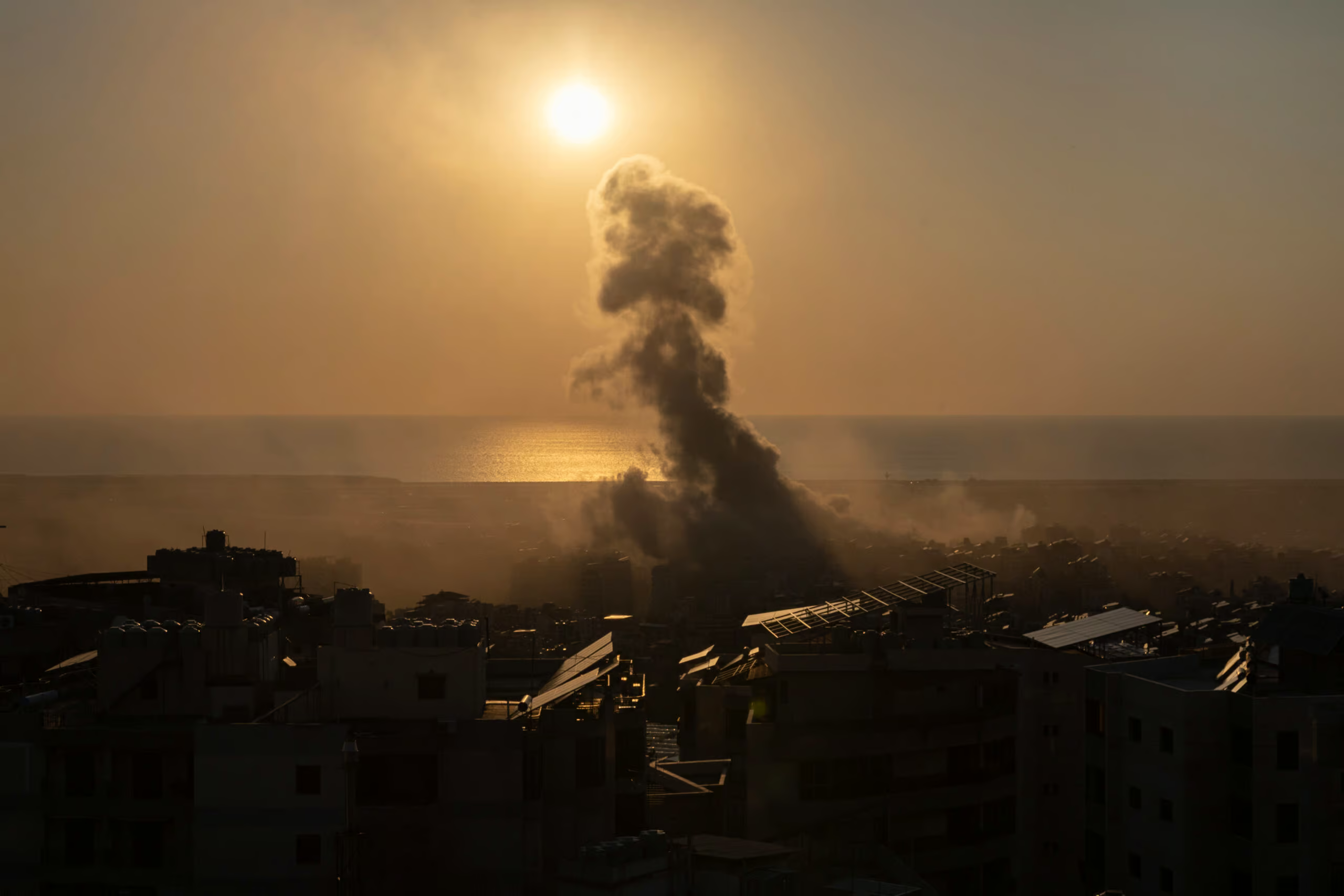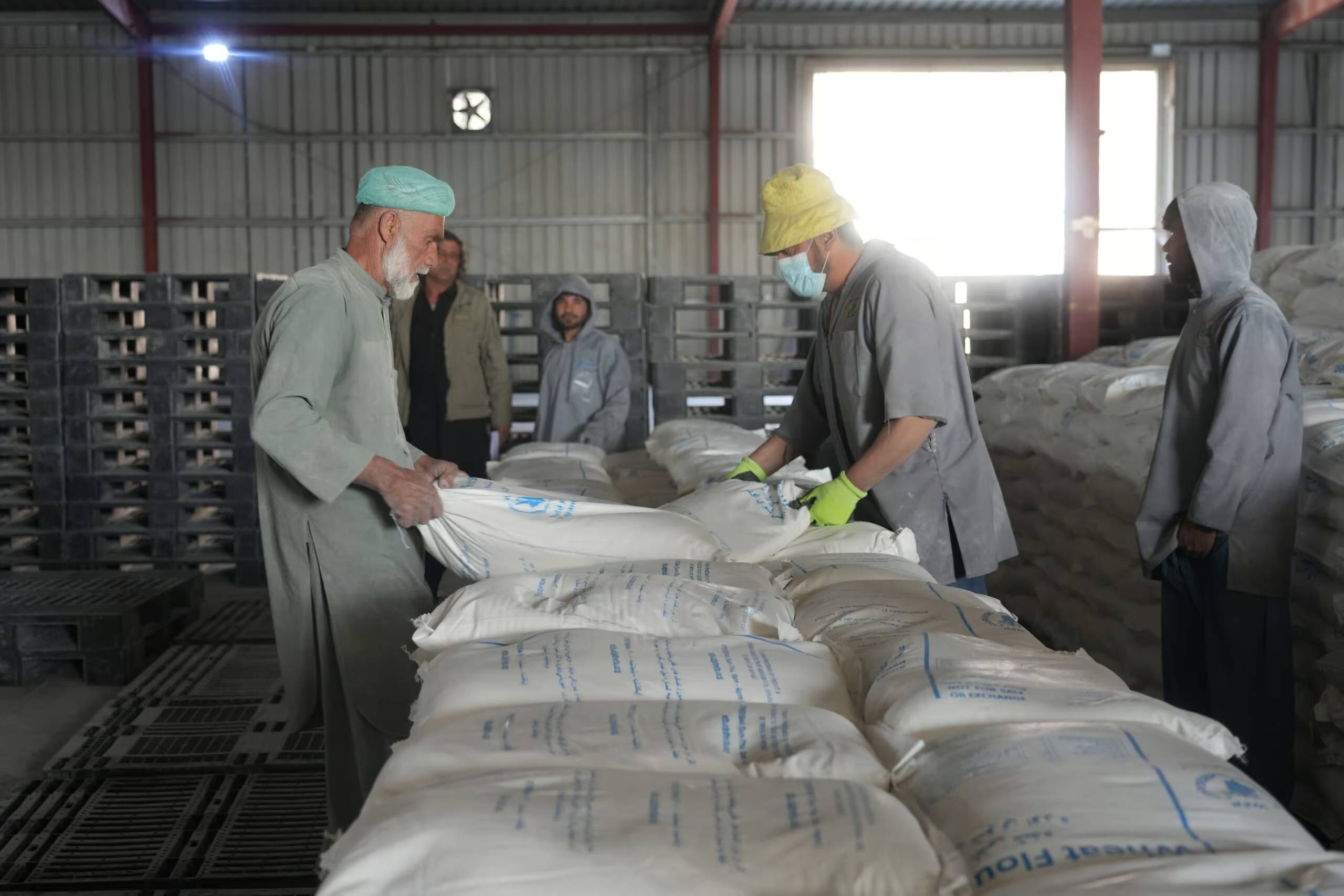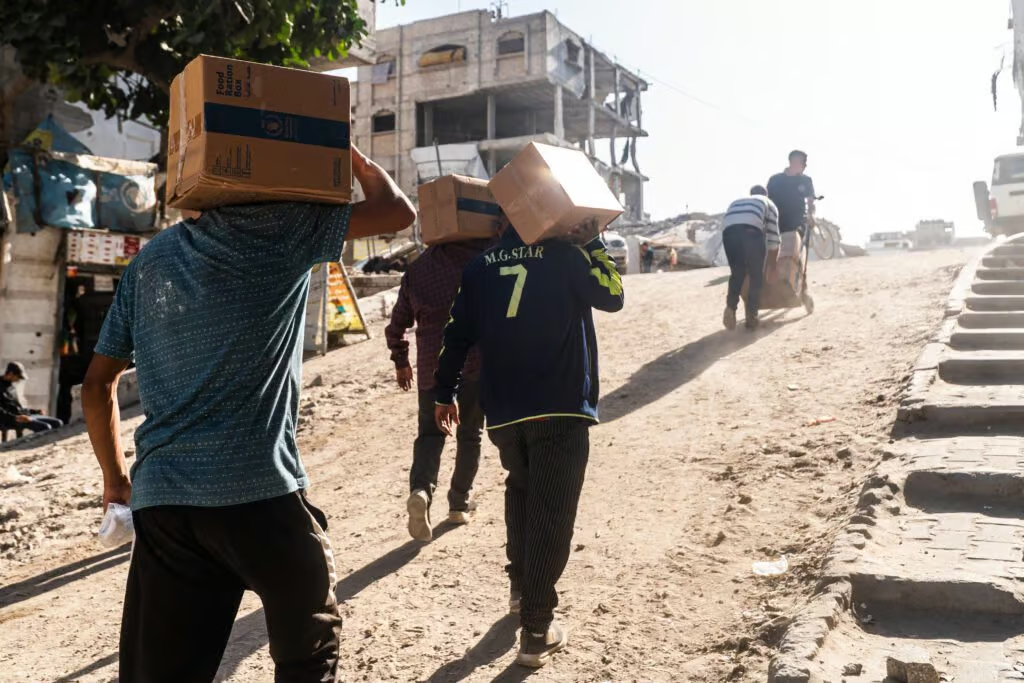
GAZA – Three weeks into the ceasefire, the World Food Programme (WFP) has distributed food packages to 1 million people in the Gaza Strip as part of a broad operation to push back hunger in the war-torn territory. To continue expanding operations to the level required, humanitarian teams need more border crossings to be opened and more access to key roads inside Gaza.
Here are the latest updates on WFP operations and food security in Gaza:
WFP Operations
- Since the ceasefire, WFP has reached 1 million people across the Gaza Strip with family food packages, against a target of 1.6 million. With supplies limited, each family received a reduced ration of one package with enough food for 10 days.
- It was the first round of regular food package distributions since April. WFP currently has 44 food distribution points active across Gaza, against a target of 145.
- An estimated 700,000 people receive fresh bread daily, supplied through 17 WFP-supported bakeries — nine in south and central Gaza and eight in the north. WFP’s goal is to get 25 bakeries up and running.
- Nearly 200,000 people received emergency digital cash payments in October, enabling them to purchase food and essential goods from local markets. This was 100% of the monthly target.
- More than 150,000 pregnant and breastfeeding women and girls, as well as children under 5, received vital nutrition supplements in October. This is almost half of WFP’s target.
- Nutritious snacks such as date bars and High-Energy Biscuits have reached 70,000 schoolchildren at 84 temporary learning sites run by partners. The monthly target is 120,000.
- WFP continues to lead on logistics support for the broader humanitarian system, as well as helping to provide emergency telecommunications and coordination for the food security sector for maximum reach with partners.
Operational Challenges
- At present, only two crossings into Gaza are operational. This severely limits the quantity of aid that WFP and other agencies can bring in to stabilize the markets and address people’s needs.
- Getting food into the north remains difficult. A major obstacle is the continued closure of northern crossings into the Gaza Strip. Aid convoys are required to follow a slow, difficult route from the south.
- Across the rest of Gaza, the quantity of food arriving is still insufficient. In the three and a half weeks since the ceasefire began, WFP has brought 44,100,000 pounds of food assistance into Gaza, roughly half its monthly target.
- To deliver at scale, WFP requires all crossings to be open, especially those in the north. Full access to key roads across Gaza is also critical to allow food to be transported quickly and efficiently to where it is needed.
- Damage to infrastructure during the conflict has severely impacted warehousing and storage capacity, with more than 50% destroyed.
Food Security in Gaza
- After two years of war, a two month blockade and months of insufficient food supply, families in Gaza are still struggling to put food on the table.
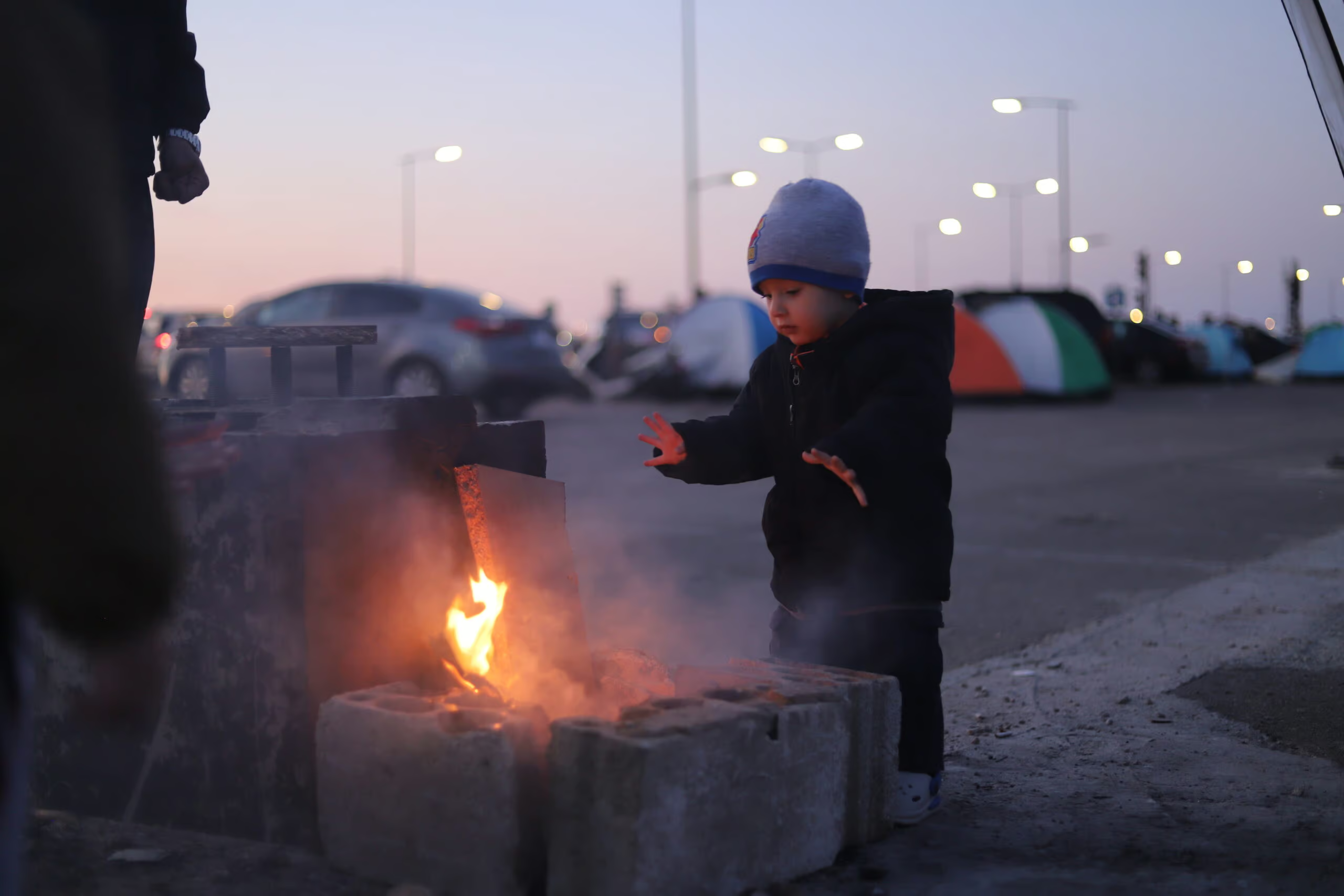
- During October, hundreds of thousands of people reportedly returned to northern Gaza, many of them to homes that are in ruins. Their access to food is severely limited. Most displaced households remain in the south, often living in tents and without adequate access to food and services.
- By mid October 2025, food consumption in Gaza showed a slight improvement due to humanitarian and commercial trucks. However, it remains below food consumption levels prior to the conflict. Households primarily consumed cereals and lentils. Meat, eggs, vegetables and fruits were being consumed very rarely.
- With the ceasefire announcement, the prices of most food items decreased compared to September and the first week of October. More price decreases were expected but prices remained higher than February 2025 (ceasefire) and before the conflict.
- Anticipation of food inflows upon the ceasefire drove food prices down. However, liquidity constraints persist, with cash withdrawal fees still between 20-24%.
# # #
Note to editors:
Broadcast quality footage can be accessed here.
The World Food Programme is the 2020 Nobel Peace Prize Laureate and the world’s leading humanitarian organization, saving lives in emergencies and using food assistance to build a pathway to peace, stability and prosperity for people recovering from conflict, disasters and the impact of climate extremes.
Follow us on X, formerly Twitter, via @wfp_media
Originally posted on wfp.org