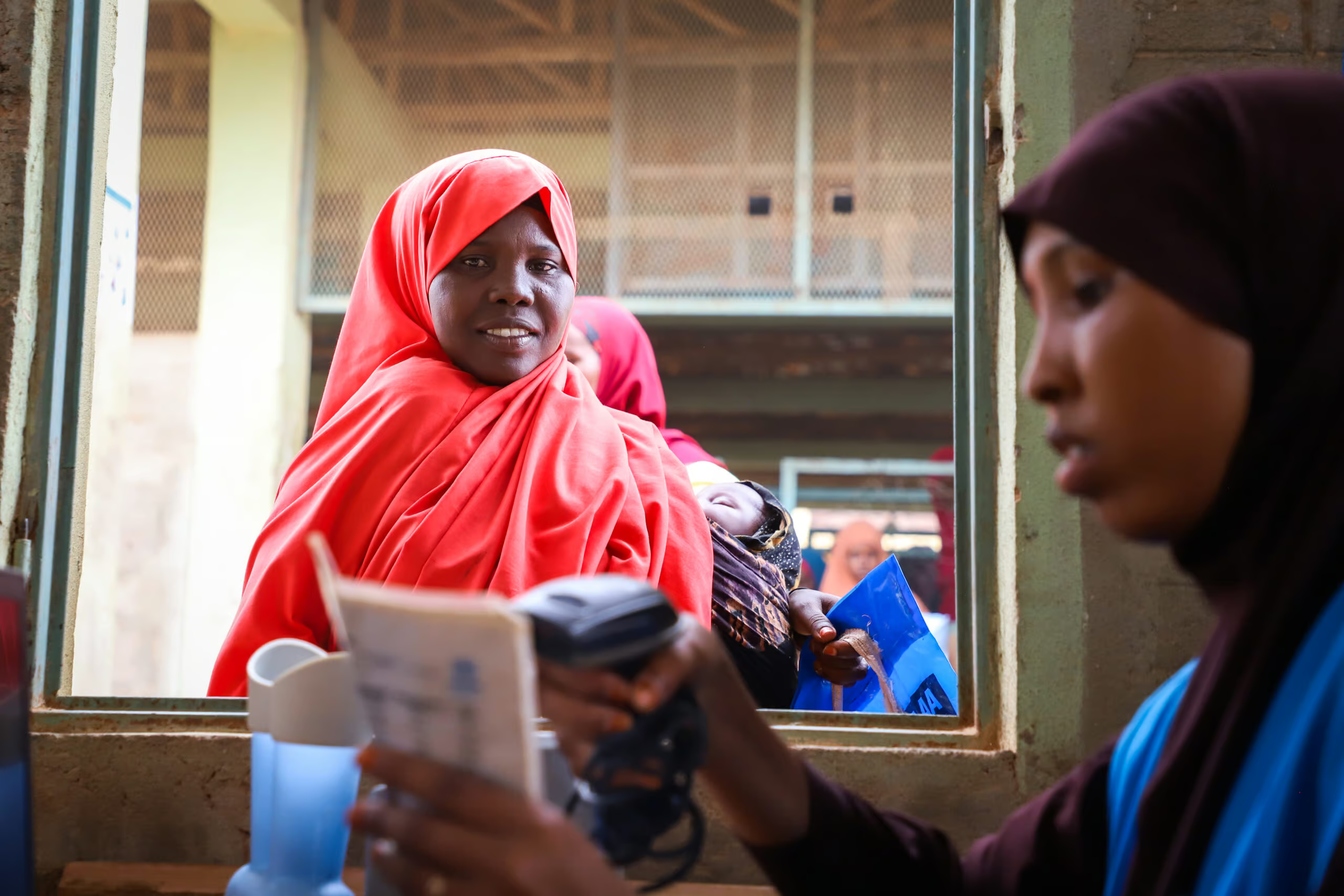
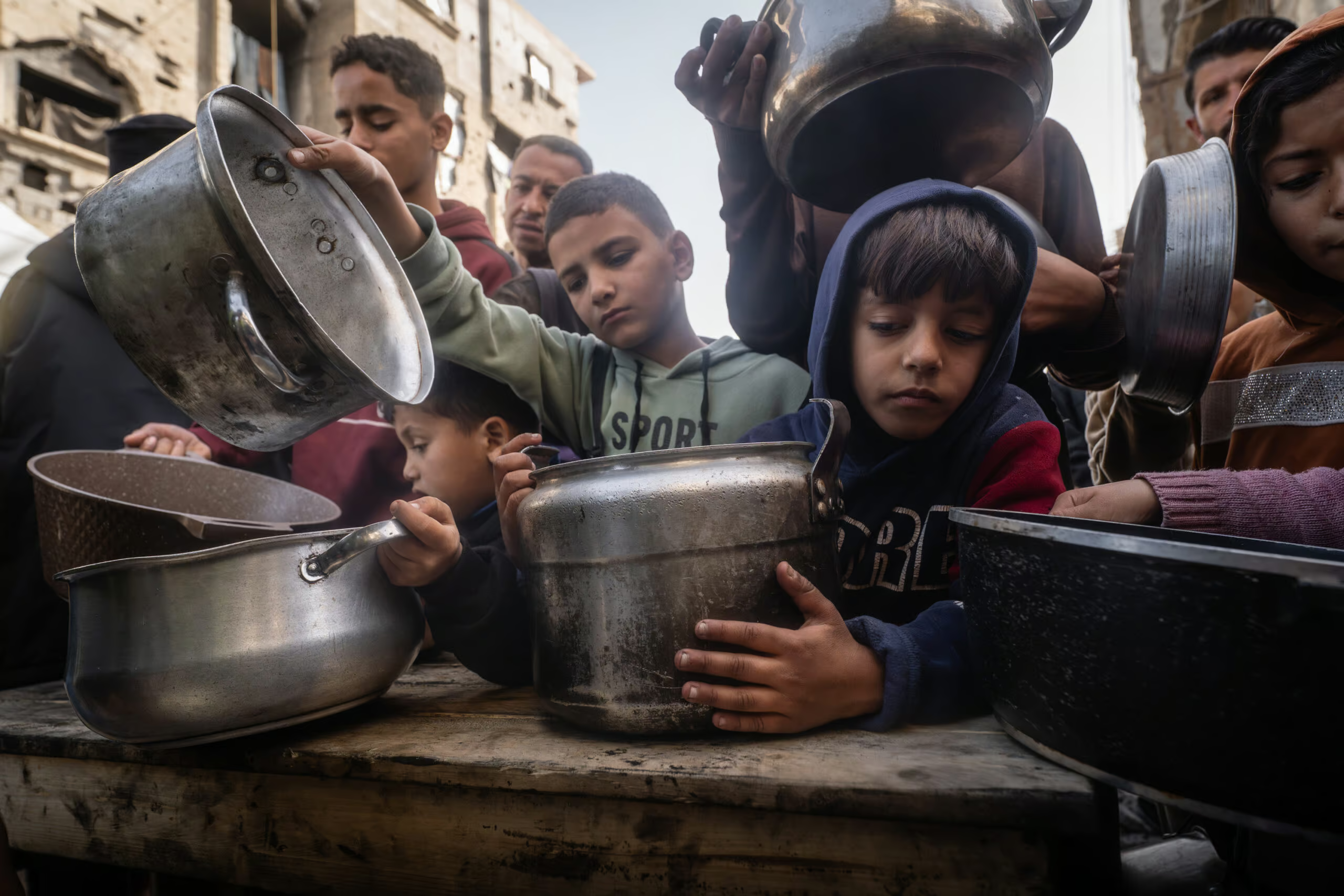
MOGADISHU, Somalia – The World Food Programme (WFP) warns today that millions in Somalia are at risk of worsening hunger and malnutrition as critical funding shortfalls have forced the agency to reduce the number of people it supports with lifesaving emergency food assistance in Somalia by over two-thirds.
In November, WFP will have to reduce the number of people who receive emergency food assistance to just 350,000 people, down from 1.1 million in August. This means that WFP will be supporting less than one in every 10 people who are in need of food assistance for survival.
“We are seeing a dangerous rise in emergency levels of hunger, and our ability to respond is shrinking by the day,” said Ross Smith, WFP’s director of emergency preparedness and response. “Without urgent funding, families already pushed to the edge will be left with nothing at a time when they need it most.”
The latest Integrated Food Security Phase Classification (IPC) report shows that 4.4 million people in Somalia are facing crisis level of food insecurity or worse (IPC 3+), including nearly 1 million in emergency levels of hunger (IPC 4), a number that has increased by 50% in just six months.
Malnutrition also remains alarmingly high, with 1.8 million children under five acutely malnourished and 421,000 suffering from severe malnutrition. WFP’s nutrition programs are also facing reductions with just 180,000 children still receiving nutrition treatment.
Somalia’s hunger crisis is unfolding in a fragile and fast-moving context, where even the smallest shocks can have devastating consequences for families and communities. This year, the compounded effects of severe drought, conflict and reduced humanitarian assistance have rapidly pushed the most vulnerable families into emergency levels of food insecurity. Without urgent action, this trend is likely to continue and could tip those worst affected into catastrophic conditions.
WFP leads the largest humanitarian operation in Somalia, supporting over 90% of the country’s food security response. This lifeline is now at risk. Deepening funding constraints have already forced WFP to halve its monthly coverage, compared to one year ago.
“The current level of response is far below what is required to meet the growing needs,” warned Smith.
WFP urgently requires $98 million to sustain a minimum of lifesaving operations for 800,000 people through the lean season until March 2026. Without urgent additional funding, these reductions could deepen – just as humanitarian needs continue to grow.
# # #
The World Food Programme is the 2020 Nobel Peace Prize Laureate and the world’s leading humanitarian organization, saving lives in emergencies and using food assistance to build a pathway to peace, stability and prosperity for people recovering from conflict, disasters and the impact of climate extremes.
Follow WFP on X, formerly Twitter, via @wfp_media @WFPSomalia
The article was originally published on wfp.org