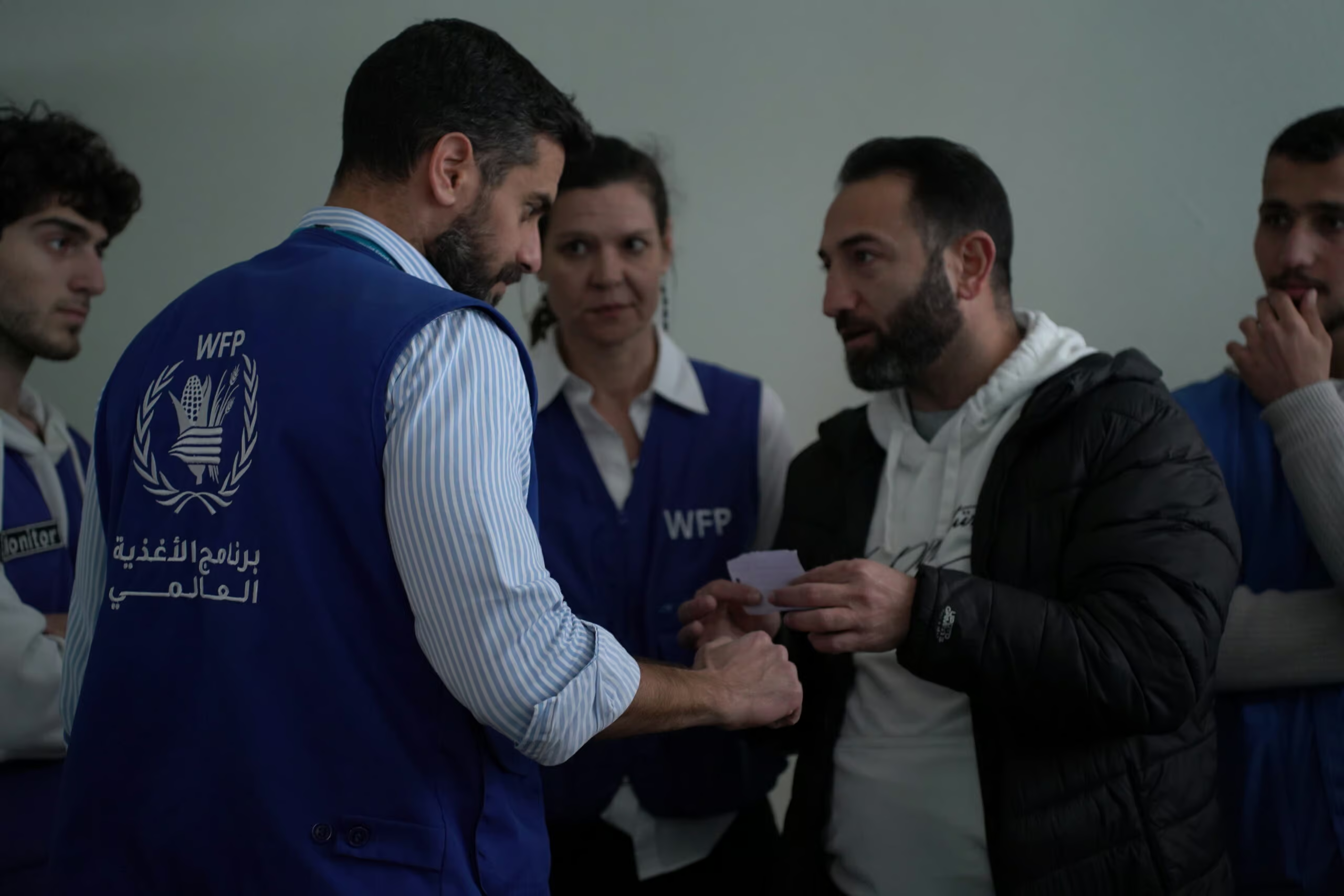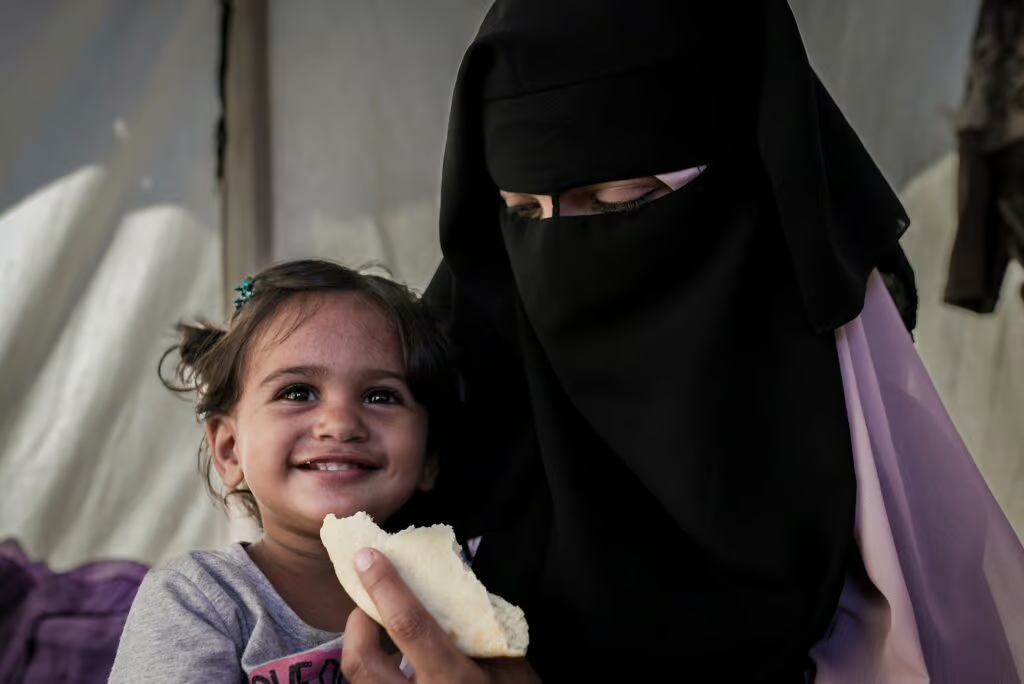
World Food Program USA’s Fall Statement of Impact provides a snapshot of global hunger from May to September 2025 and how the World Food Programme (WFP) responded.
Global hunger is alarmingly high with at least 319 million people facing acute hunger. People are struggling to survive amid catastrophic conditions. On top of these crises, significant funding shortfalls have forced WFP to scale back lifesaving food assistance.
Despite these challenges, WFP remains committed to saving lives and continues to deliver food to families facing extreme hunger across the world.
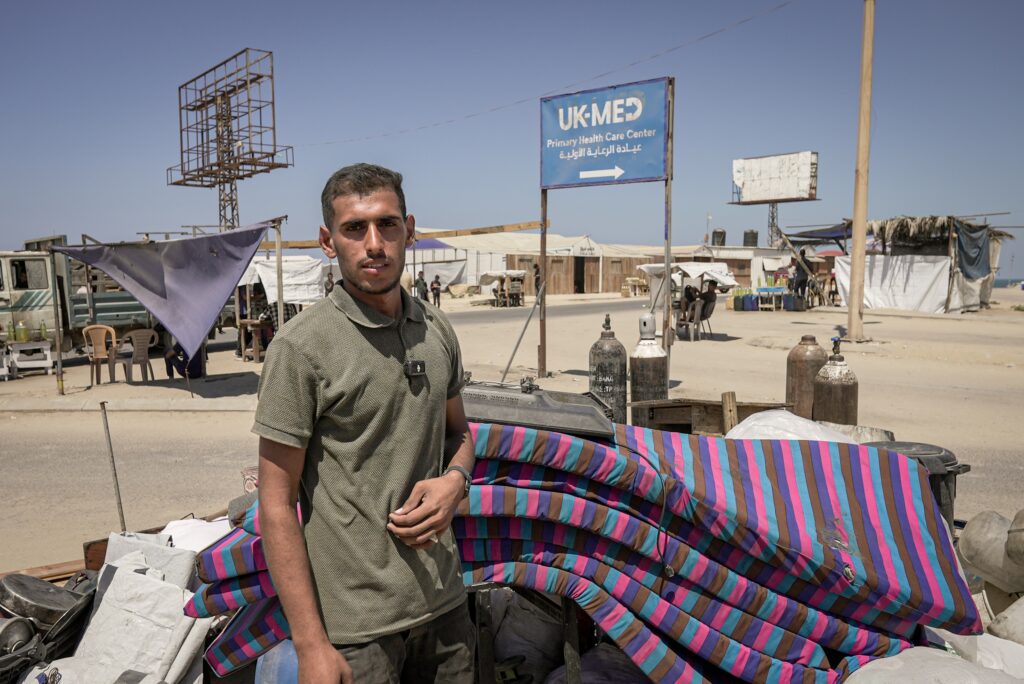
Famine Confirmed and Expected to Spread in Gaza
Conflict, aid restrictions and frequent displacement have pushed communities in Gaza into extreme hunger and deprivation. Famine has been confirmed in Gaza Governorate, with at least 500,000 people facing starvation. By the end of September, famine is expected to spread to Deir al-Balah and Khan Younis. Markets are empty. Families are scraping by on limited food supplies. The number of malnourished children in Gaza Governorate alone has tripled since March. Without an immediate ceasefire and urgent humanitarian interventions, conditions are only expected to further deteriorate.
Despite access issues, WFP brings food into Gaza every day. At border areas, WFP and partners have prepositioned enough food to feed Gaza’s 2.1 million people for nearly three months. Humanitarian organizations must be granted full access, and commercial cargo must be allowed to flow into Gaza to restore food security.
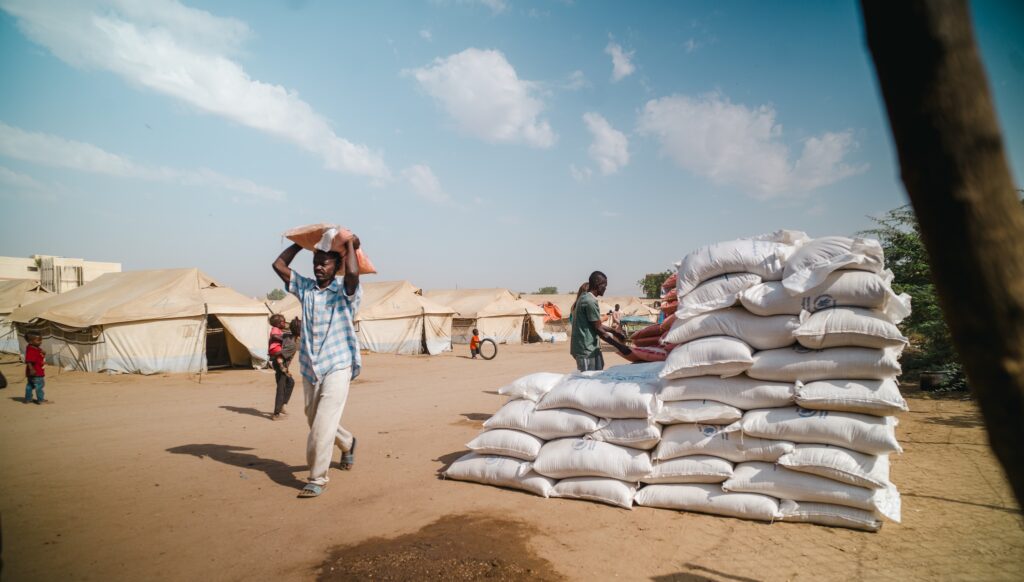
Half the Population of Sudan Faces Hunger
Nearly 25 million people face acute hunger and require immediate support. One year ago, famine was confirmed in Zamzam camp in North Darfur, and conditions there have deteriorated even further. Today, famine is confirmed in 10 locations – eight in North Darfur (including Zamzam Camp) and two in the Western Nuba Mountains. Displacement is widespread, with over 12.5 million people uprooted from their homes, including 3.4 million who have sought refuge in neighboring countries.
WFP provides lifesaving food and nutrition assistance to 4 million people across Sudan each month, including 1.5 million people in the hardest hit areas of Darfur, Kordofan, Khartoum and Al Jazira. In areas where conflict has waned, WFP has scaled up and helped reduce the risk of famine.

Conflict Drives Hunger and Hardship in Haiti
Nearly 5.4 million people, half the country’s population, are facing acute hunger. Conflict between armed groups is driving mass displacement, economic hardship and extreme hunger.
Since January, WFP has reached over 1.7 million people across the country with food and cash assistance, including 112,000 recently displaced people who received 740,000 hot meals. Through the United Nations Humanitarian Air Service (UNHAS), WFP has transported humanitarian workers and aid cargo to hard-to-reach communities such as Croix-des-Bouquets and Cité Soleil under the control of armed groups.
Read the full report to learn more about WFP’s work in Gaza, Sudan, Haiti and other places where people are facing hunger crises.