If we want to end world hunger, we need to know the scale of the problem. Hunger ranges from missing a meal to not eating for days or weeks. The World Food Programme (WFP) serves people who are experiencing dangerous levels of hunger. In order to know who those people are, we need a way to measure and track hunger levels.
How We Track and Measure Hunger
There are different tools to measure and categorize how hungry people are.
The global standard is called the Integrated Food Security Phase Classification (IPC). The IPC classifies the level of hunger that people experience on a scale of 1 to 5. These classifications help organizations like the World Food Programme to plan emergency response and long-term solutions to hunger. Let’s explore what each IPC phase of hunger means and how it informs the World Food Programme’s work.
IPC Phase 1: None or Minimal Hunger
At this level, a population is facing little to no hunger. While some people may be experiencing hunger, most are able to access food and meet other essential needs. Less than 5% of the population is malnourished (when someone does not get enough nutrients to stay healthy) and most people have a stable income.
IPC Phase 2: Stressed
In this phase, people are just barely able to get the food they need to survive. They can afford some essential items but don’t have a steady income. Between 5-10% of the population is malnourished.
IPC Phase 3: Crisis
At this level, people don’t know where their next meal will come from. Families often go to sleep hungry. Food choices are limited due to availability or high prices. People are resorting to coping strategies, such as selling farm animals or equipment, to afford food Between 10-15% of the population is malnourished.
The World Food Programme serves people in IPC Phase 3 or worse. These populations are facing hunger crises and urgently need food assistance to survive and then recover in the long-term.
There are 134 million people globally in IPCS Phase 3. Nigeria, the Democratic Republic of the Congo (DRC) and Yemen have the most people in the Crisis phase.
IPC Phase 4: Emergency
When people reach this phase, they are on the brink of starvation and could die from hunger. People are eating less than 2,100 calories a day, which is the minimum amount needed, and regularly skipping meals. In order to get the food they need, families sell off their last remaining assets like land or livestock. Their loss of income is irreversible at this stage. 15-30% of the population is malnourished.
There are 18.5 people million people globally in IPC Phase 4. Yemen, the DRC and Haiti have the most people in the Emergency phase of hunger.
IPC Phase 5: Catastrophe
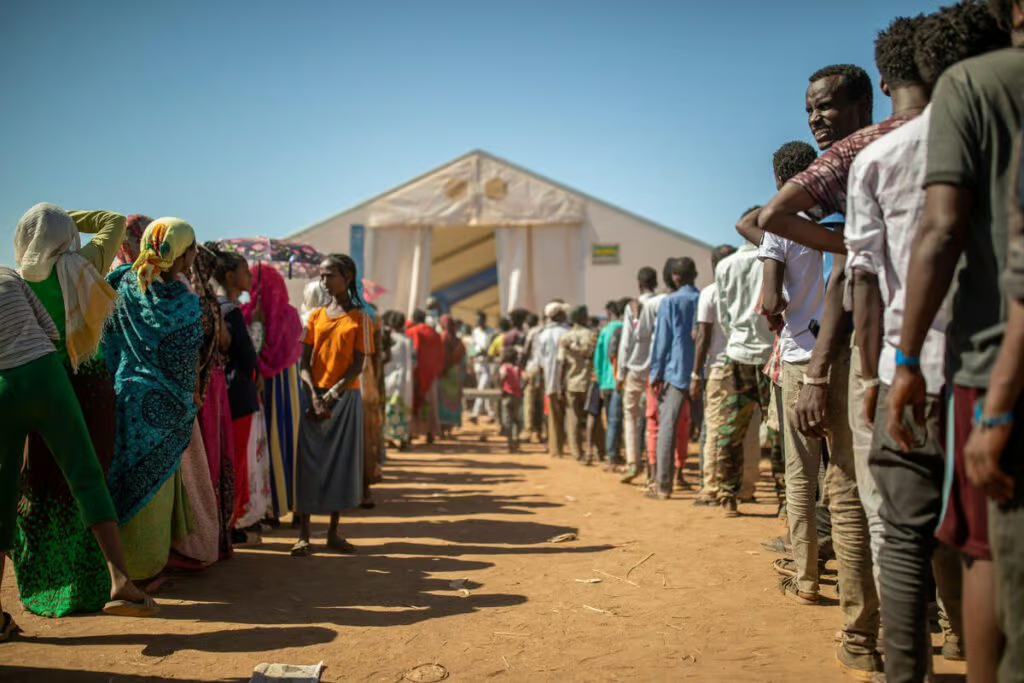
This is the most severe level of hunger. Even after exhausting all coping strategies, families do not have enough food to eat and are dying from starvation. Over 30% of the population is malnourished and families face a complete loss of income. There are 712,000 people globally in IPC Phase 5. Gaza, Yemen and South Sudan have a high numbers of people in this Catastrophe level of hunger due to ongoing conflict.
IPC Phase 5: Famine
While Catastrophe is classified at the household level, Famine is only applied to geographic areas. That means families can face catastrophic hunger even if a famine has not been confirmed.
Famine is confirmed when all three of the following conditions are met:
- At least 2 out of 10,000 people are dying each day due to starvation or malnutrition-related diseases.
- At least 20% of families are facing an extreme lack of food.
- At least 30% of children are suffering from malnutrition
People in IPC Phase 5 are already experiencing catastrophic hunger, but all three of the conditions must be met to trigger a famine classification.
The IPC also distinguishes between famine with solid evidence and famine with reasonable evidence. Both situations are equally severe. The difference lies with the amount of evidence available to confirm famine is happening in an area:
- An area is classified as famine with solid evidence if there is clear and compelling evidence of the three conditions being met.
- However, famine has often occurred in complex conflict zones where humanitarian access for data collection is restricted.
To still confirm the severity of hunger and inform urgent action, the IPC classifies an area as famine with reasonable evidence when there is solid evidence that two out of three of the conditions have been reached and analysts reasonably assess that the third condition has likely been reached.
Learn more about what causes famine and how we respond to it.
How Many People Are Hungry?
These IPC Phases help us identify who is hungry and how hungry they are so we can provide lifesaving food assistance.
However, the IPC does not cover all the countries the World Food Programme works in, and some IPC analyses cover only part of a population. To have a complete overview of extreme hunger, the World Food Programme relies on other recognized assessments including its own Consolidated Approach for Reporting Indicators of Food Security (CARI) and the United Nations Humanitarian Needs Overview.
Based on IPC data as well as other systems and reports, WFP currently estimates that 319 million people across 67 countries where WFP works and data is available are facing crisis levels of hunger or worse. These are the people the World Food Programme aims to serve. Most are women, children and refugees that suffer the most from hunger.
Learn more about the people that WFP serves.

What Causes Hunger?
There are many factors that often overlap and compound each other to create a humanitarian disaster. The number one cause of hunger is conflict. It destroys lives, disrupts systems of food production, causes mass displacement and destabilizes entire regions. After that, the second main driver of hunger is the climate crisis. More frequent and intense extreme weather events are wreaking havoc on homes and farmlands, threatening food security for years and even decades to come.
The root cause of hunger is extreme poverty. Families living on less than $2.15 dollars per day are especially vulnerable to shocks like rising food costs and climate extremes.
Learn more about all the factors that contribute to hunger.
How Can We Solve Hunger?
The mission of the World Food Programme is to bring the number of hungry people down to zero. We track how many people are in each IPC category or the equivalent, with the goal of moving them to lower levels of hunger. From emergency relief to child nutrition to school meals, our range of programs help to address and mitigate the causes of hunger. See all of our hunger-fighting programs.
However, creating a zero hunger world requires big solutions to the world’s greatest challenges, such as putting an end to conflict and reversing the effects of the climate crisis. See what it takes to end world hunger, and how much it would cost to do it.
You can join us in our mission to end hunger by staying up to date on the hunger crises around the world.