Walking up the ramp of a cargo ship docked along the Willamette River in Portland, Oregon, I see a grain elevator overhead shining in the morning sun, steadily pumping American soft white wheat into one of six hatches on the ship’s main deck.
Every day, cargo ships on this river embark for any number of destinations. But the destination of this wheat may just surprise you.
This ship is heading halfway around the world to Yemen, a country in the Middle East where people are going hungry due to years of civil war. As part of a fleet of seven, it will begin a nearly 40-day journey of more than 11,000 nautical miles to bring 176,000 metric tons of wheat purchased from farmers in Oregon and the Pacific Northwest to millions of vulnerable Yemenis.
WFP USA/Ann Nallo
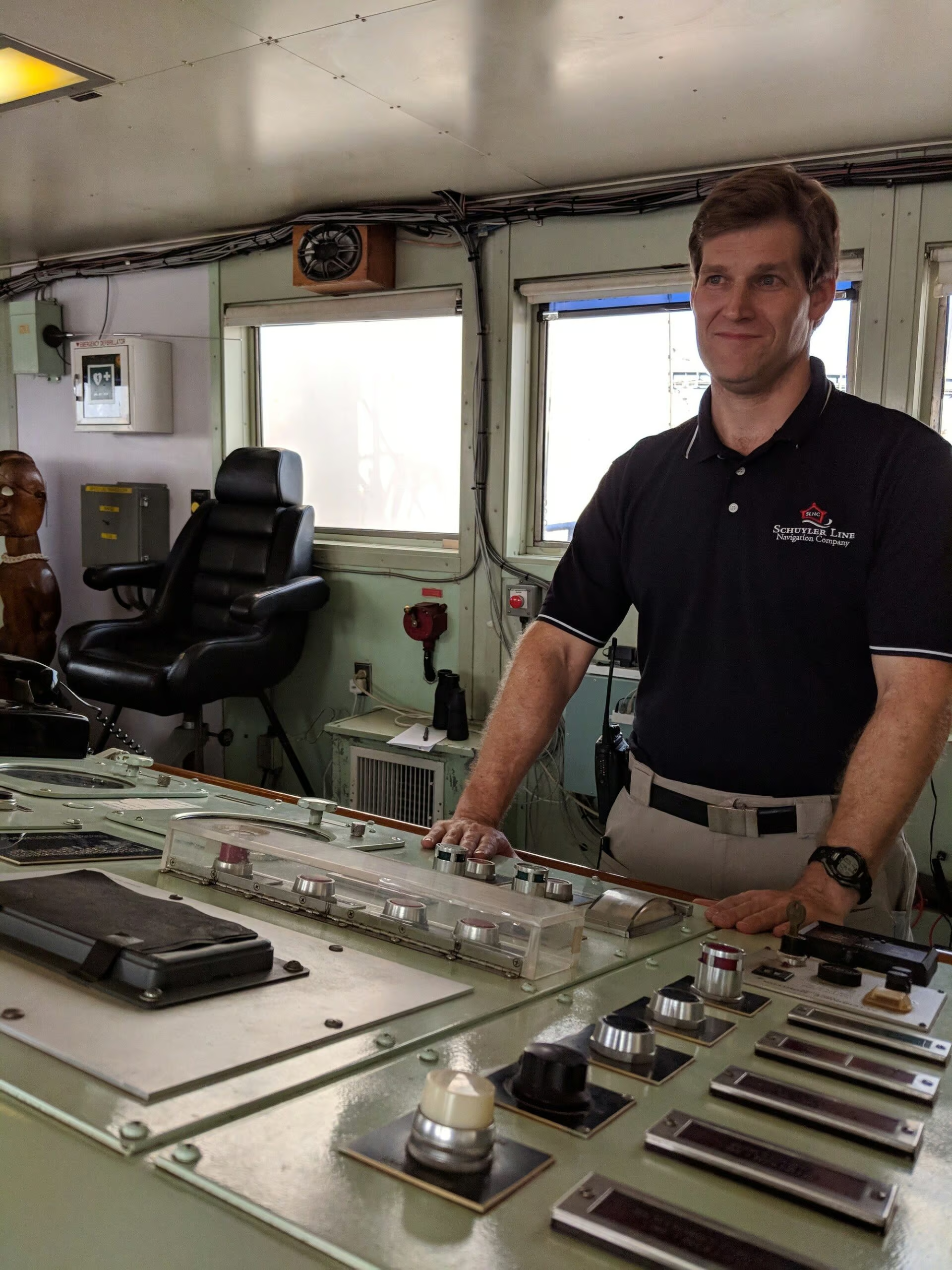
Ship captain Steve Austin.
“It’s not an easy job,” says Steve Austin, the ship’s captain. “But our people are dedicated to it and they believe in what they do.”
Sixteen crewmembers from all over the U.S.—and even a few from outside the country—will accompany the ship on its journey, including engineers, technicians and deck officers. It is a dangerous journey, requiring stops for supplies and fuel before it arrives into an active conflict zone.
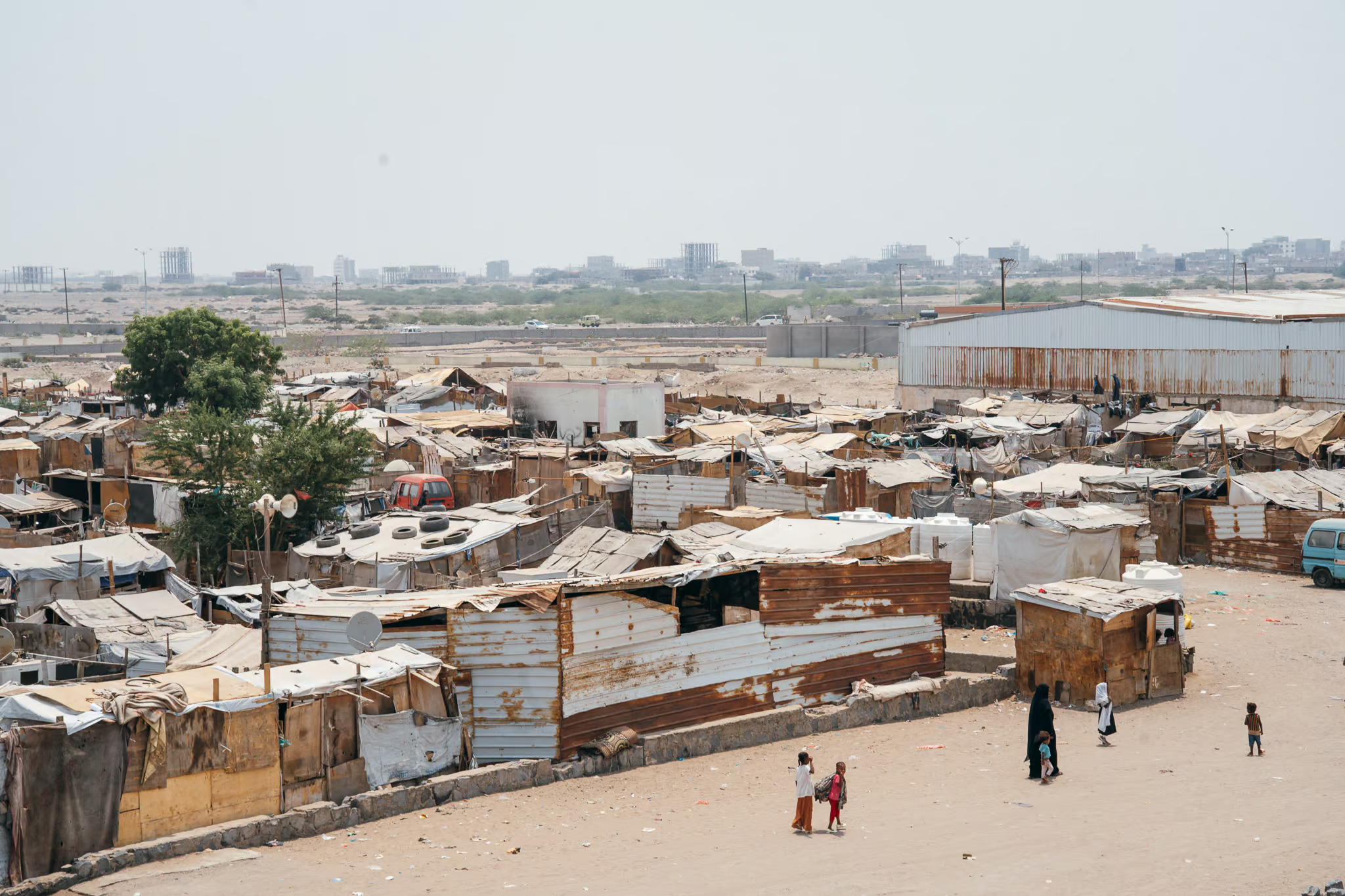
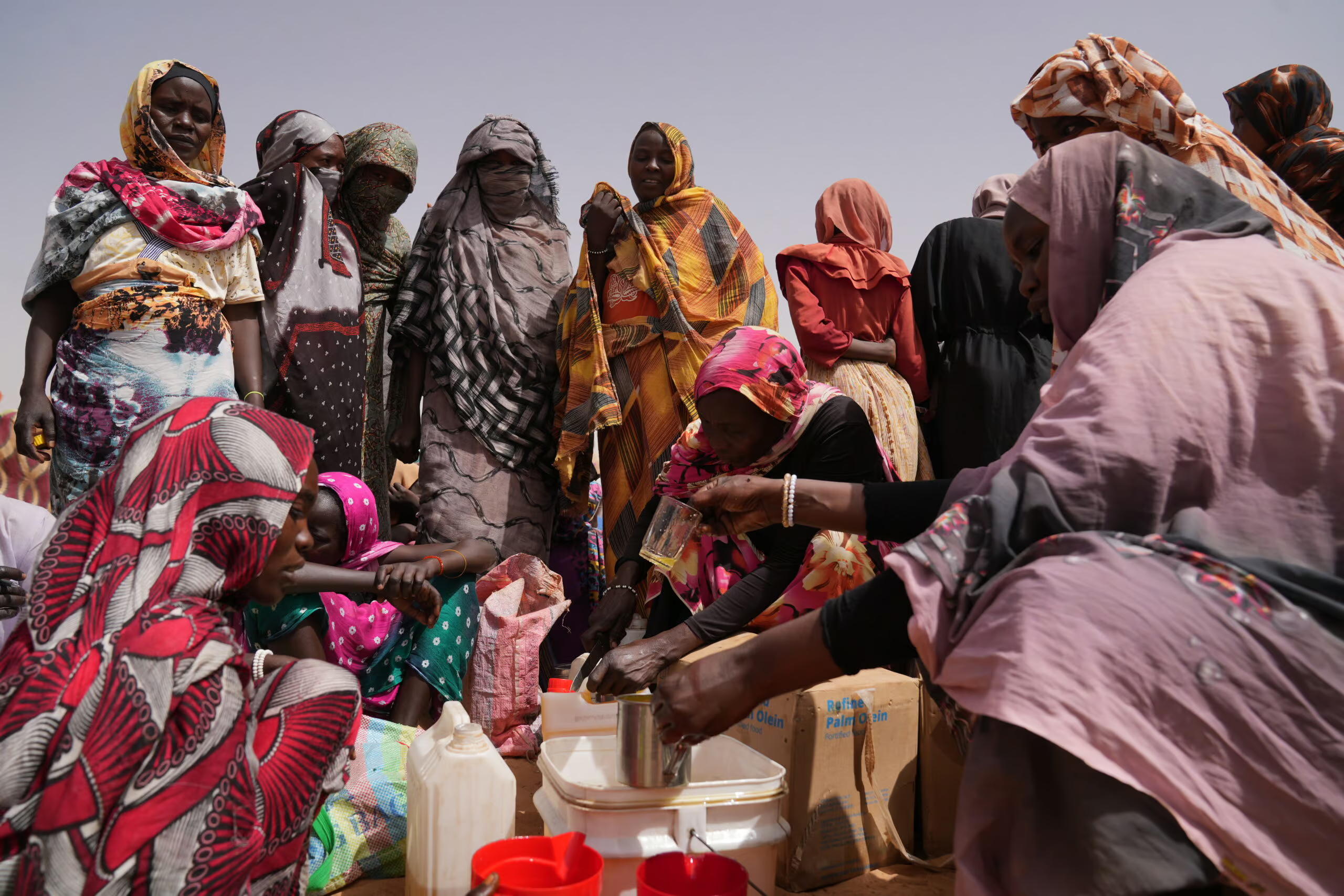
Yemen is a historically poor country and the consequences of the current conflict have been devastating. Essential services and infrastructure have broken down, and 18 million out of 29 million Yemenis do not know where their next meal is coming from—making it the world’s largest hunger crisis. Out of those, more than 8 million cannot survive without food assistance. When this shipment arrives, the World Food Programme (WFP) will help to distribute it to feed more than 6 million people for two months.
To my right, a ship banner displays the name USAID—the U.S. agency which administers the Food for Peace program, the largest provider of food assistance in the world. Representatives from USAID, the U.S. Department of Agriculture and WFP’s Yemen Country Director, Stephen Anderson, walk ahead of me onto the deck.
Walking up the stairs and onto the bridge of the ship, the captain greets us in front of an American flag hanging under the window that looks out to the deck below. He shares that he has traveled to numerous ports in the Middle East, but this will be his first trip to Yemen. In speaking about his crewmembers, he describes their work as an “unknown service,” one that most people don’t think about when they think about food aid.
Stephen Anderson, WFP’s Country Director in Yemen since January 2017, takes the opportunity to reinforce the importance of the shipment.
“We’re very grateful for what your crew is doing to help support us and ultimately it’s helping us save lives in Yemen,” he says.
While WFP’s efforts there largely involve providing emergency food assistance, the humanitarian agency has also restarted a school meals program for children in recent months in an effort to provide some sense of normalcy and ensure they are not deprived of years of their education.
We take a moment to look out at the deck as the wheat continues to whoosh into the hatch at a rapid rate. Each year, Oregon farmers grow up to 75 million bushels of mostly soft white wheat. Between 85-90 percent of it is shipped overseas, sold for commercial purposes or used for humanitarian assistance in countries such as Yemen.