Starbucks and the World Food Programme Invest in Resilient Coffee Communities Across Guatemala
For decades, the Dry Corridor has faced increasingly unpredictable weather. Days begin under a relentless sun that cracks the soil and drains moisture from young plants. Sometimes the nights bring the mercy of rain. Often, they do not. This alternating pattern of prolonged drought and sudden downpours has tested families’ ability to safeguard staple crops and keep food on the table.
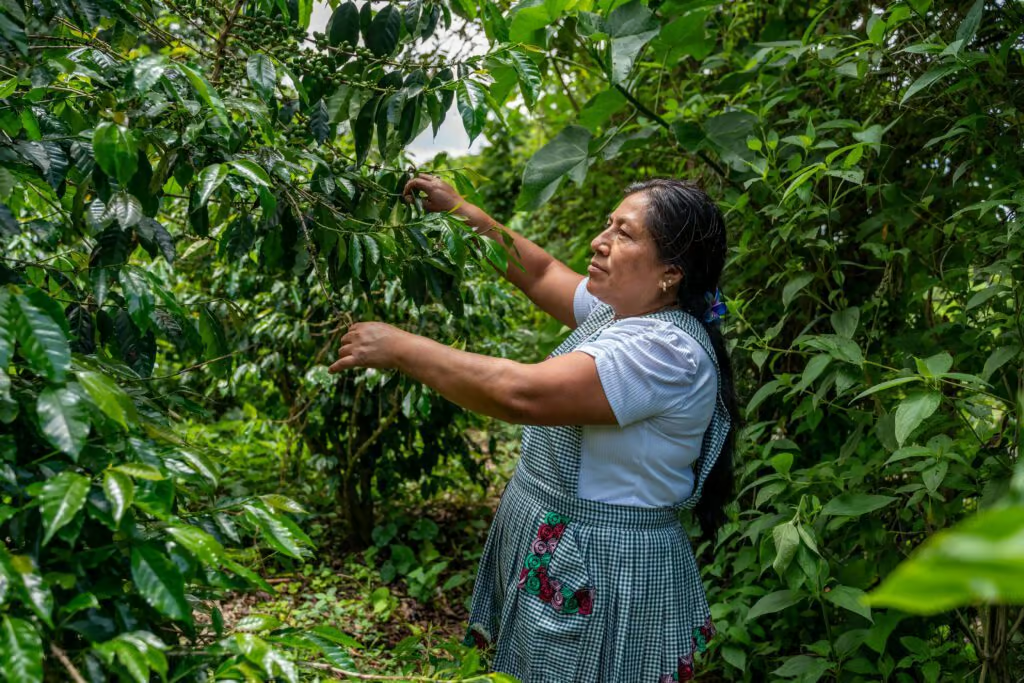
The Nájera Lorenzo family in Jalapa, Guatemala, knows this all too well. For generations, coffee was their hope — a crop that promised stability. But their farming methods and erosion-prone soils proved no match for the region’s extreme weather. The family’s small plot of land barely produced 3,000 pounds of coffee plants every year, far from enough to cover basic needs, let alone save and plan for the future. However, everything changed when the World Food Programme (WFP) arrived in their community with the Resilient Coffee-Growing Communities project.
The project, supported by Starbucks Coffee Company and implemented by WFP in collaboration with local partner Funcafé, brought farmers the training, techniques and tools needed to protect their crops, such as shade management and early pest control.
This comprehensive approach extends well beyond the immediate result of boosting coffee crop yields. It also supports farmers’ financial inclusion, market access, health and nutrition, community leadership and climate adaptation. Through these project activities, families are prepared to not just survive unpredictable seasons, but to thrive amid them. In the Dry Corridor, this resilience is key to solving extreme hunger and building long-term food security.
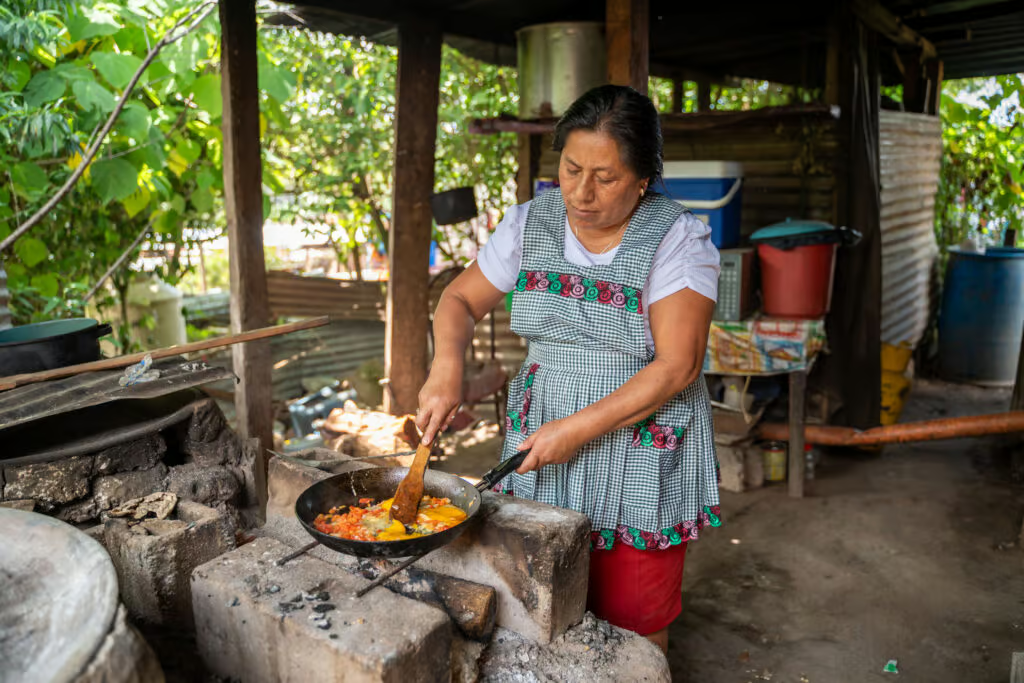
More Than Coffee: A Path to Resilience
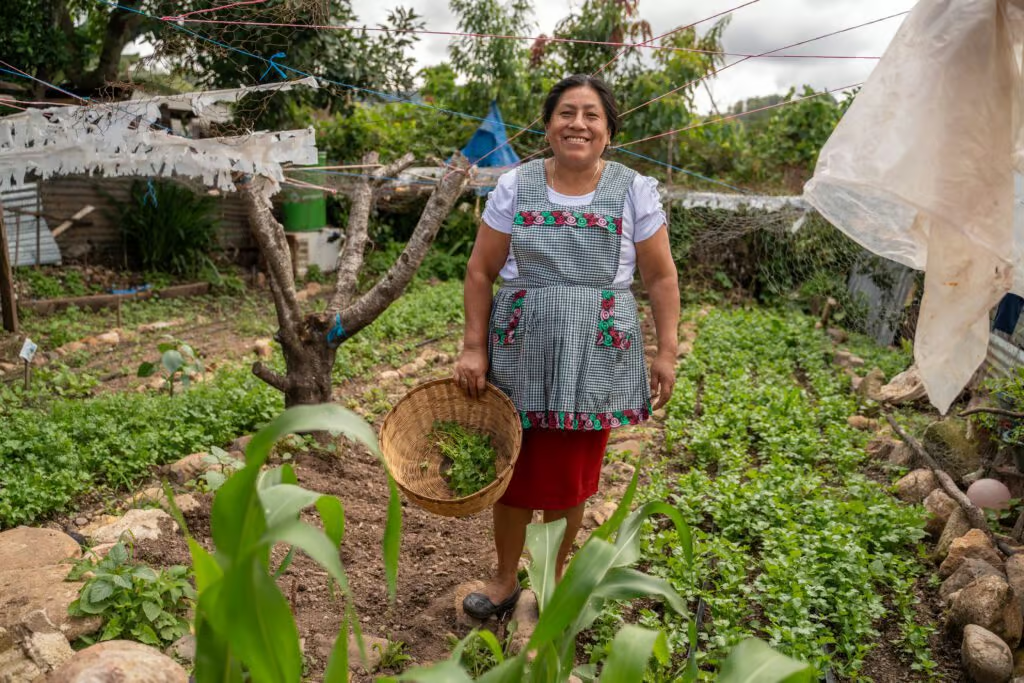
María Nájera established a 430-square-foot home garden where she grows Swiss chard, chipilín (a leafy green with a spinach-like taste), radishes and other vegetables. This garden improves her family’s diet and allows María to sell surplus produce at the local market, generating extra income and reducing her economic vulnerability.
María is also stepping into several leadership roles in her community with the support of WFP. She is an active member of a WFP-created Savings and Loans Group for Women’s Empowerment (GACEM, by its Spanish acronym), boosting her financial autonomy and the ability to contribute directly to her household’s income. In addition, she is training as a climate monitor. WFP is teaching her how to collect and interpret local weather data, which is then shared with a network of experts and decision-makers from a variety of groups including humanitarian agencies and farmer associations. This network — called an agroclimatic roundtable — meets regularly to discuss weather forecasts and agree on agricultural practices for the region. At home, this information helps families like María’s to plan crop production accordingly and manage their resources more effectively, boosting their capacity to adapt to climate variability.
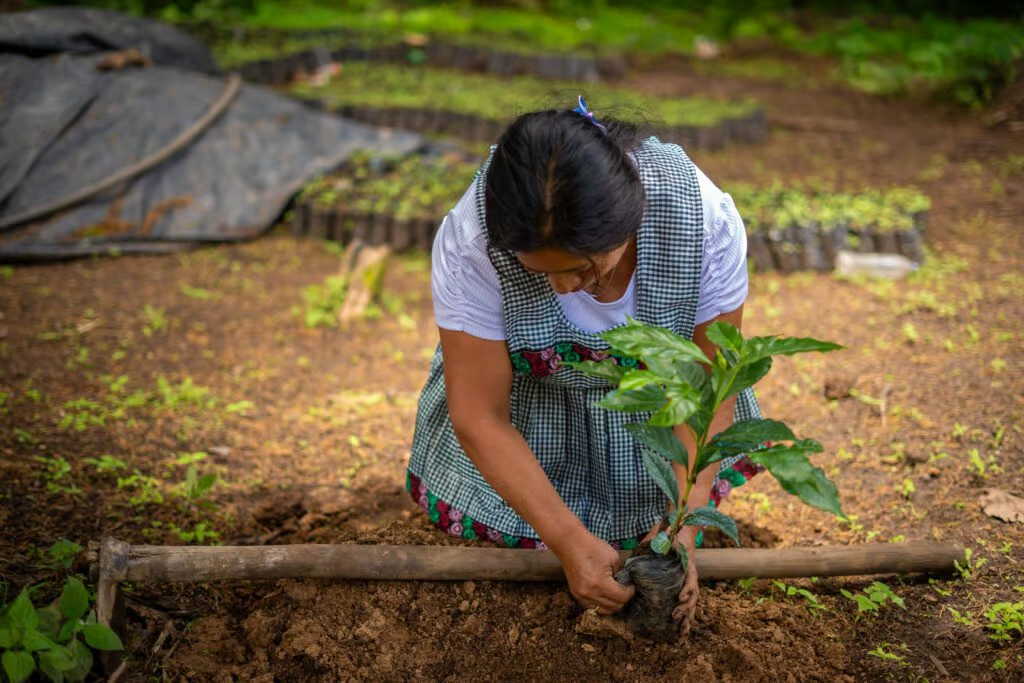
María’s leadership goes even further. As a community-based nutrition counselor, she promotes healthy recipes and food hygiene practices among her peers.
“Now we don’t plant out of habit. We know why we do each thing,” says María, as she walks through rows of noticeably healthier coffee plants. Her family aims to grow 13,000 pounds per cycle and strengthen their position within Starbucks’ value chain, including through their continued compliance with C.A.F.E. Practices.
Families participating in the Resilient Coffee-Growing Communities project are in the midst of a transformative learning journey. At the halfway point through the project, tangible changes are already emerging, including more diverse and nutritious diets, improved household savings practices, better organized and more productive plots and women stepping into more leadership roles. These shifts are improving individual well-being and fostering a culture of shared learning, as families pass their knowledge on to others in their communities, extending the project’s impact beyond direct participants.
This integrated approach to resilience improves farmers’ food security and nutrition and strengthens the sustainability of coffee supply chains. Families part of the Starbucks supply chain are not only on the path to producing coffee in a way that is both environmentally sound and economically viable but are also diversifying their livelihoods so they can withstand climate shocks and stresses.
While challenges remain, each step forward contributes to improved food security and nutrition, reduced vulnerability and progress toward Sustainable Development Goal 2: Zero Hunger. It is a future where every family can access enough nutritious food and live with dignity, confidence, and hope.