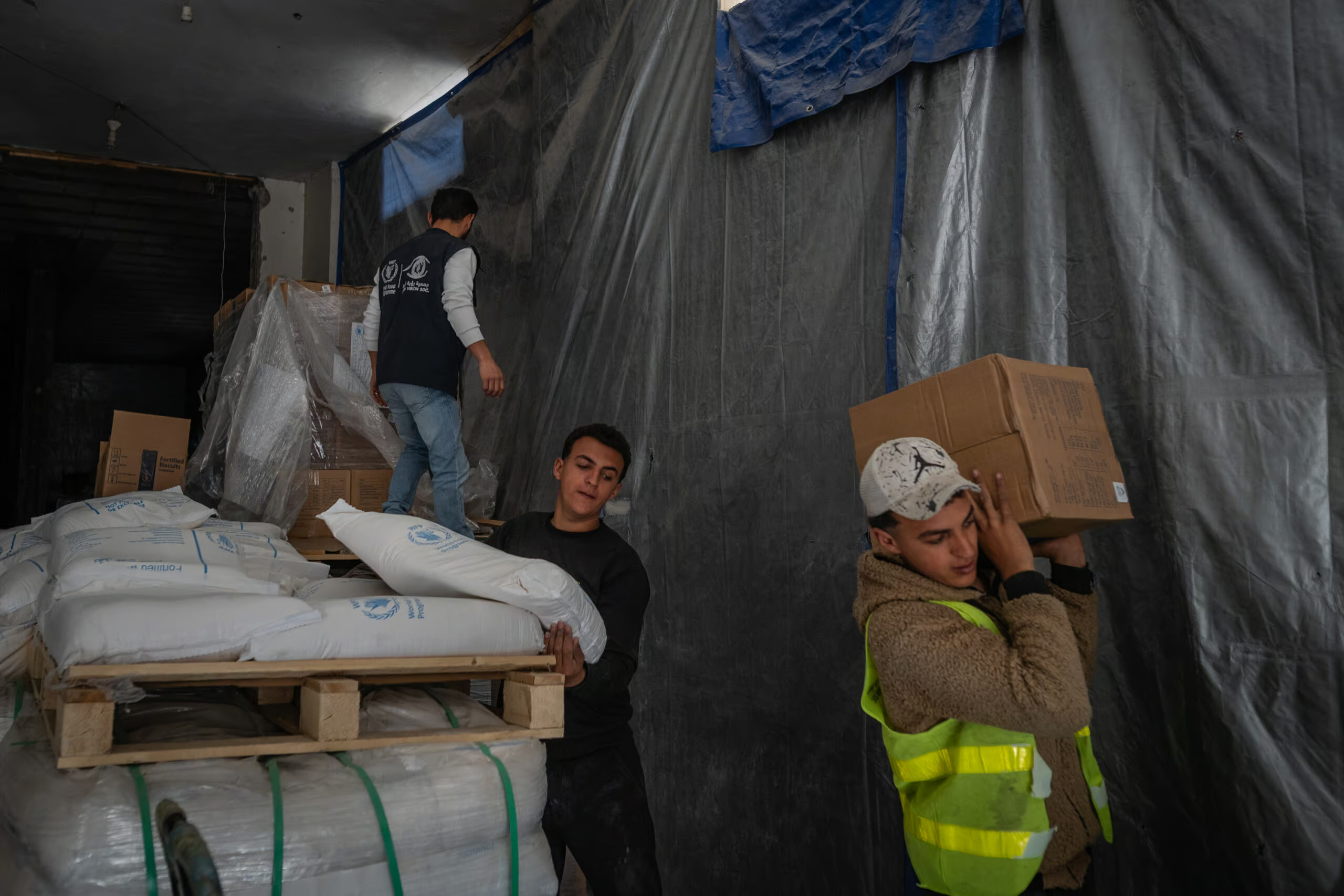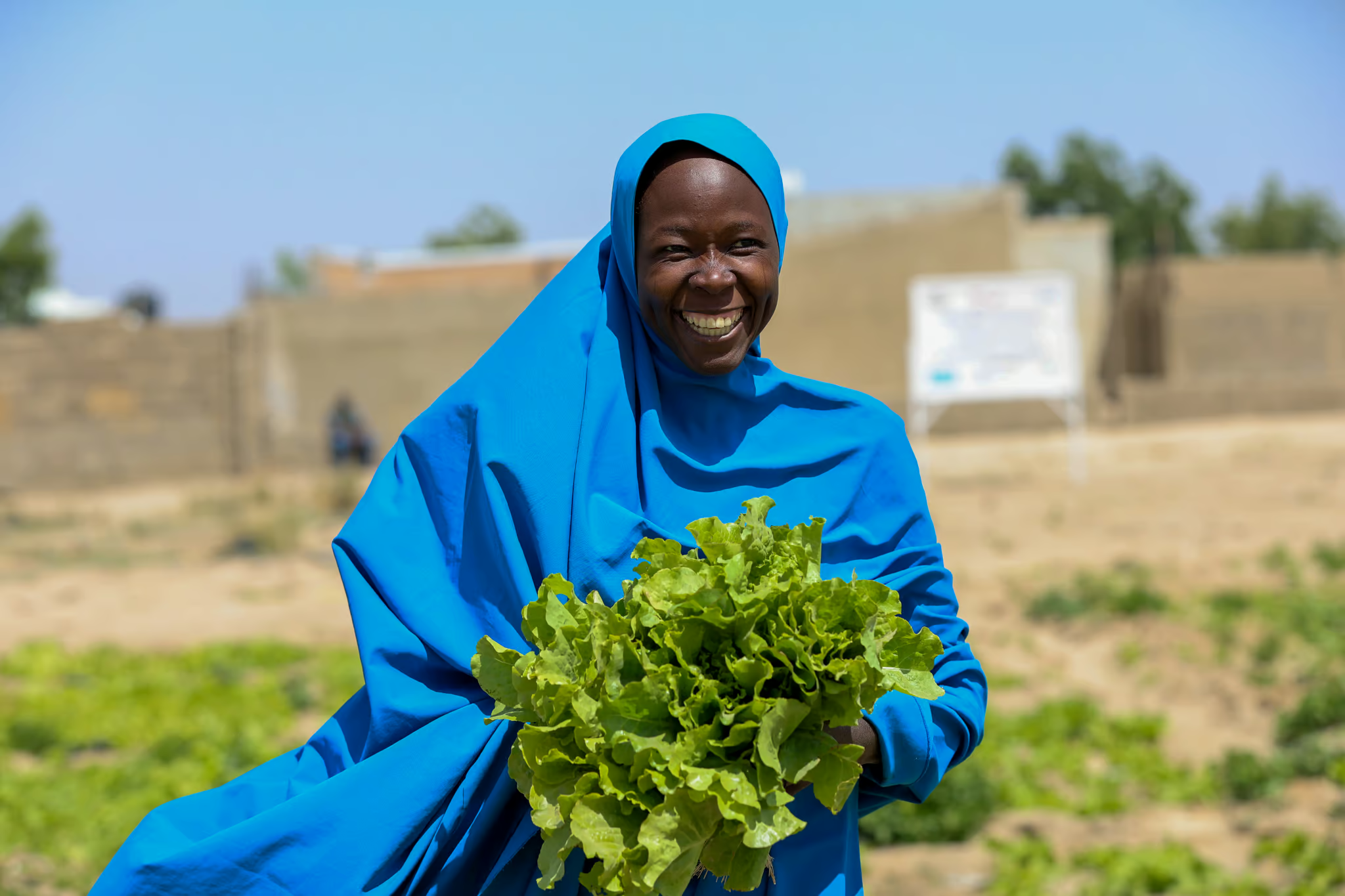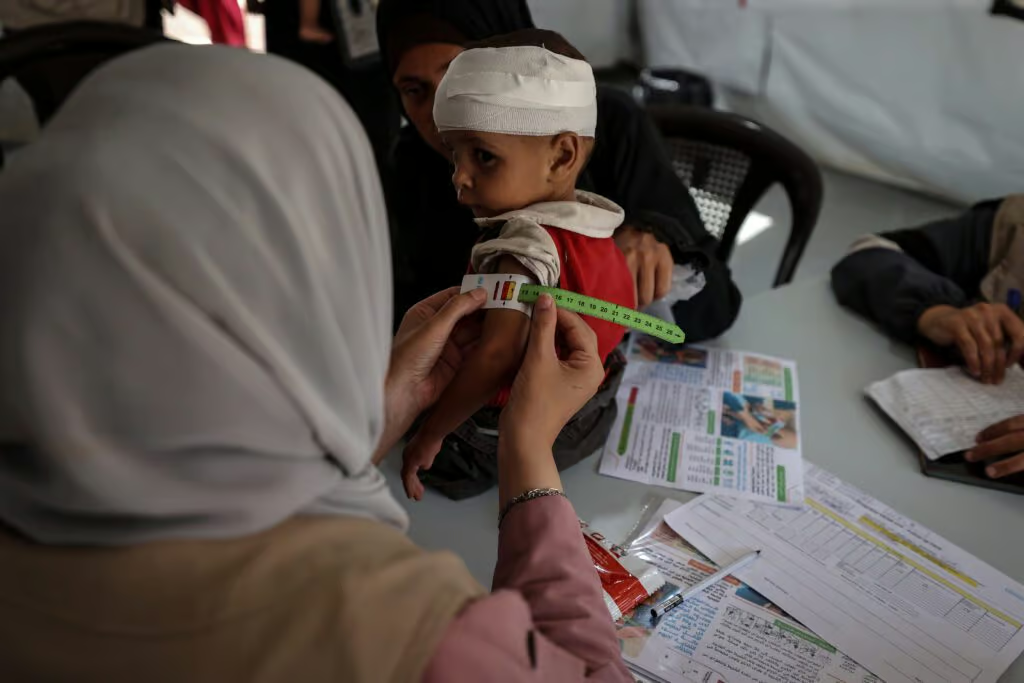
While hunger is a devastating reality for millions of children around the world, we have the power to save them. Nearly 60% of the people we serve are children, many of whom are malnourished. Through programs including First 1,000 Days, school meals and support to small-scale farmers, the World Food Programme (WFP) is on the frontlines of the fight against childhood hunger.
From Nigeria to Syria, children across the globe face the risks of extreme hunger. Those who survive may be plagued with lifelong effects ranging from stunted growth to weakened immunity to illnesses like the common cold.
Here are the 10 most important things to know about childhood hunger and what WFP is doing to fight it.
1. A Child Dies Every 10 Seconds From Malnutrition
It’s a tragic truth that more than 3 million children die from hunger every year. And between conflict and climate shocks, the number of children facing extreme hunger is on the rise.
Help Save Kids from Hunger
Children around the world are suffering from hunger and starvation. WFP is delivering nutrition-packed food to children in need.
DONATE NOW2. Nearly Half of All Deaths Among Children Under 5 Are Caused by Hunger
A child’s death sends shockwaves through a community and sadly, 45% of young lives under the age of five are lost to hunger and hunger-related causes.
For families facing poverty, conflict, extreme weather events and displacement, finding nutritious food for children every day can be nearly impossible.
Related articles you might be interested in:
- Hunger Through the Eyes of Seven Children
- Children at War: Six Stories from the Most Dangerous Places on Earth
- The Number of Hungry Children on the Planet Keeps Rising
3. Kids Are Most at Risk of Starvation in Conflict Zones
Children bear the brunt of the inevitable spread of hunger that comes with ongoing violence: Children living in conflict zones are more than twice as likely to be malnourished compared to their peers living in peaceful areas, and 40% of all displaced people are children under 18.
4. 43 Million Kids Suffer From Severe Malnutrition Every Year
It’s a staggering number and one with far-reaching consequences. Young children and infants depend on their caregivers for nutrient-dense foods that support their growth, development and immunity. But in low-income or conflict-ridden countries, nutritious foods are often out of reach.
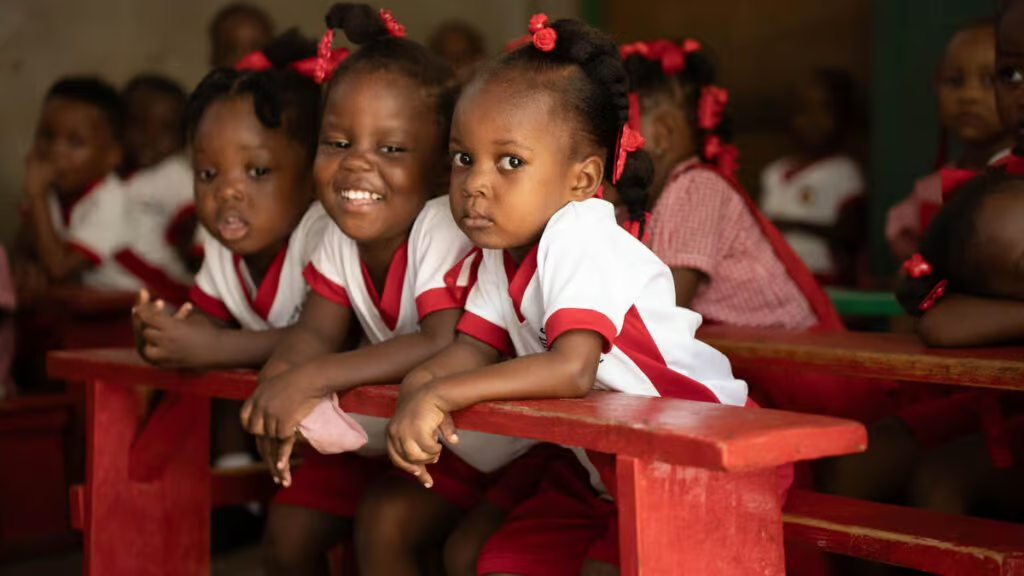
5. Young Girls Are Especially at Risk of Hunger
More than 60% of the world’s hungriest people are women and girls. Inequality – from early marriage and young motherhood to cultural barriers and lack of education – means girls are much more likely to be malnourished, causing immediate and long-term health problems.
6. Children Are More Than Twice as Likely to Face Extreme Poverty
More than 412 million children face the reality of extreme poverty and that means facing hunger every day. Parents surviving extreme poverty – defined as living on less than $3 per day – have to make regular, often heartbreaking decisions when balancing the cost of food with housing, healthcare and other basic needs.
7. Africa and Asia Have Some of the Highest Rates of Child Malnutrition in the World
According to data from 2024, children across Africa and Asia are most impacted by food insecurity. This is due to recurring natural disasters, conflict and poverty. In 2024, more than half of all children under 5 affected by stunting lived in Asia and 2 out of 5 lived in Africa. Additionally, 70% of all children under 5 affected by wasting lived in Asia and more than one quarter lived in Africa.
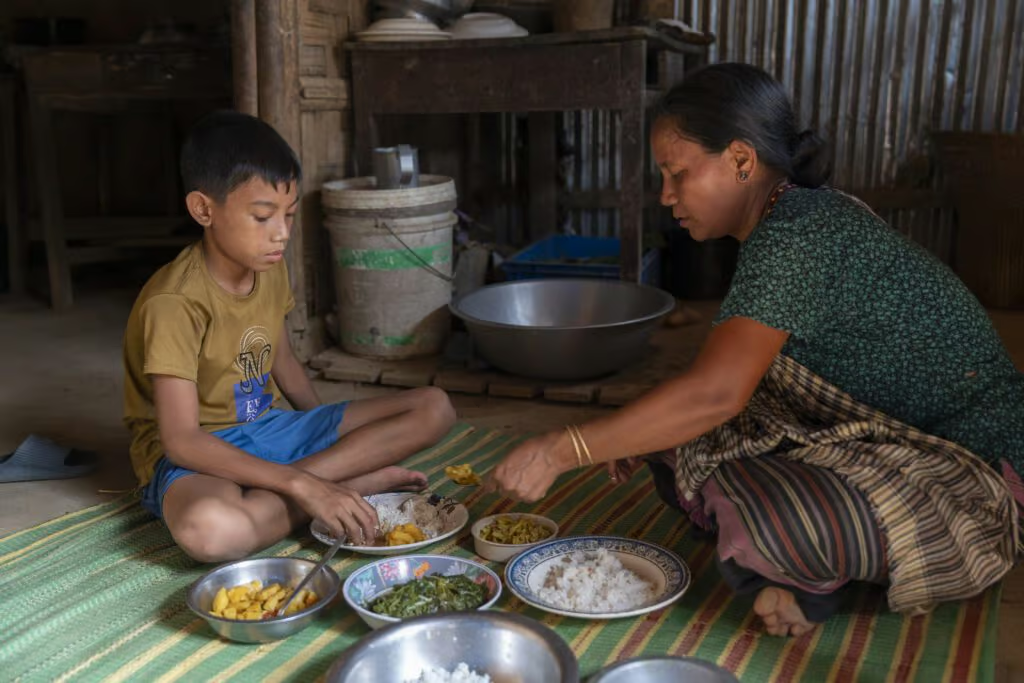
8. Malnutrition Can Cause Irreversible Damage to Children’s Health
The most crucial nutritional window for a child happens between conception and their second birthday – their first 1,000 days of life. That’s why we step in to support pregnant and breastfeeding mothers and young children with the nutrition support they need. In 2024, we reached more than 27.6 million people through nutrition treatment and prevention programs.
9. Giving Kids Early and Regular Access to Nutritious Meals Saves Lives
When a child has daily access to healthy meals and other critical resources like health services and vaccines, they’re able to focus on learning, growing and enjoying their childhood. That’s why more than half of the people we serve (57%) are children.
10. WFP Is the World’s Largest Provider of School Meals
Every day, millions of children around the world go to school on an empty stomach. For many of them, a WFP school meal is often the only food they eat each day. WFP is the largest provider of school meals, reaching more than 20 million children in crisis-hit countries every year with lifesaving nutrition, health, education and hope. These meals increase enrollment by up to 12% for girls and 8% for all students, keeping children nourished and in the classroom.
Childhood hunger is one of the biggest – and most preventable – issues of our time. But kids don’t have to face hunger. Through school meals, our First 1,000 Days programs and more, WFP is doing everything we can to save them.
Help Save a Child’s Life Today
GIVE NOW