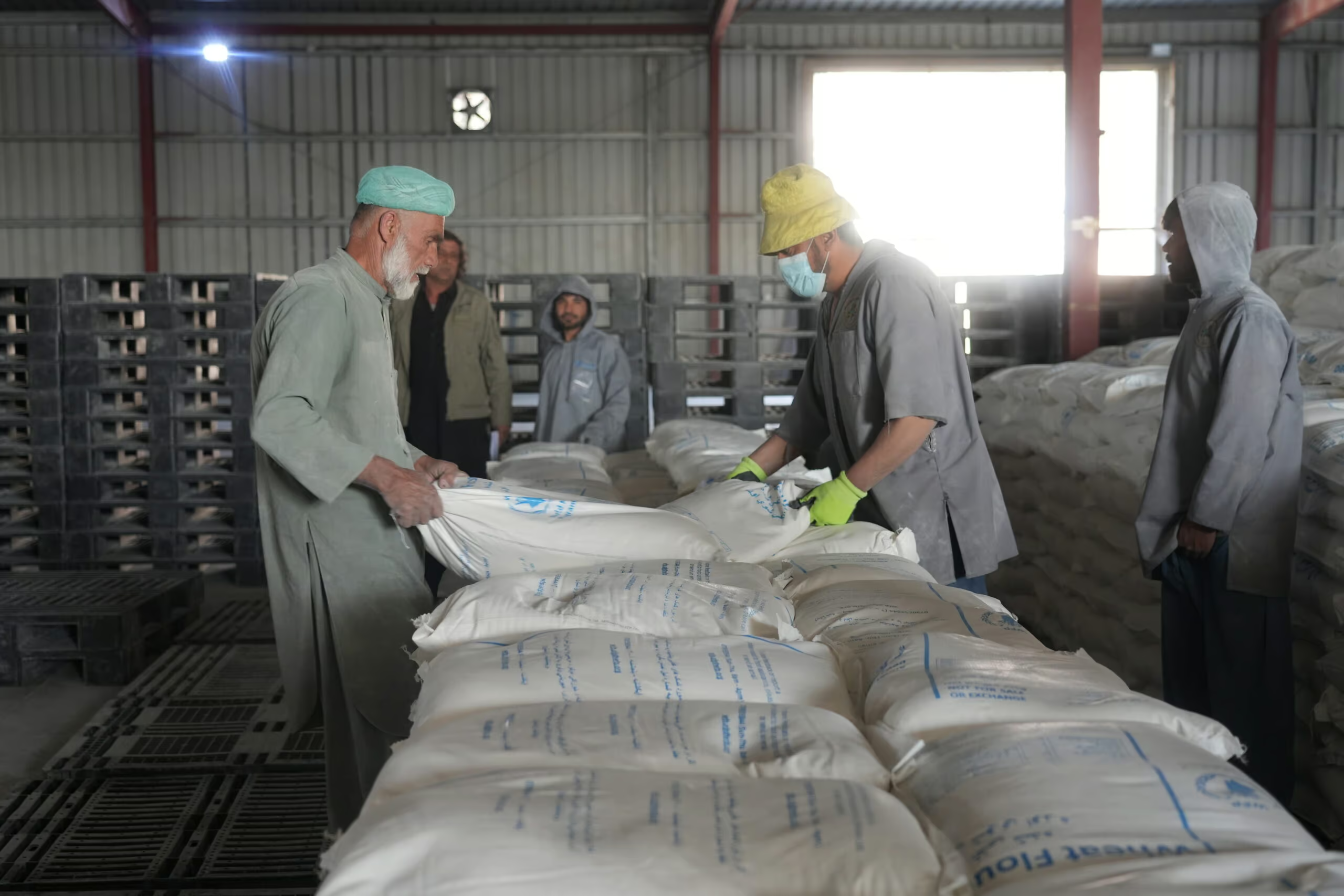
Hunger Could Double in East Africa and the Horn in Months as Coronavirus Spreads
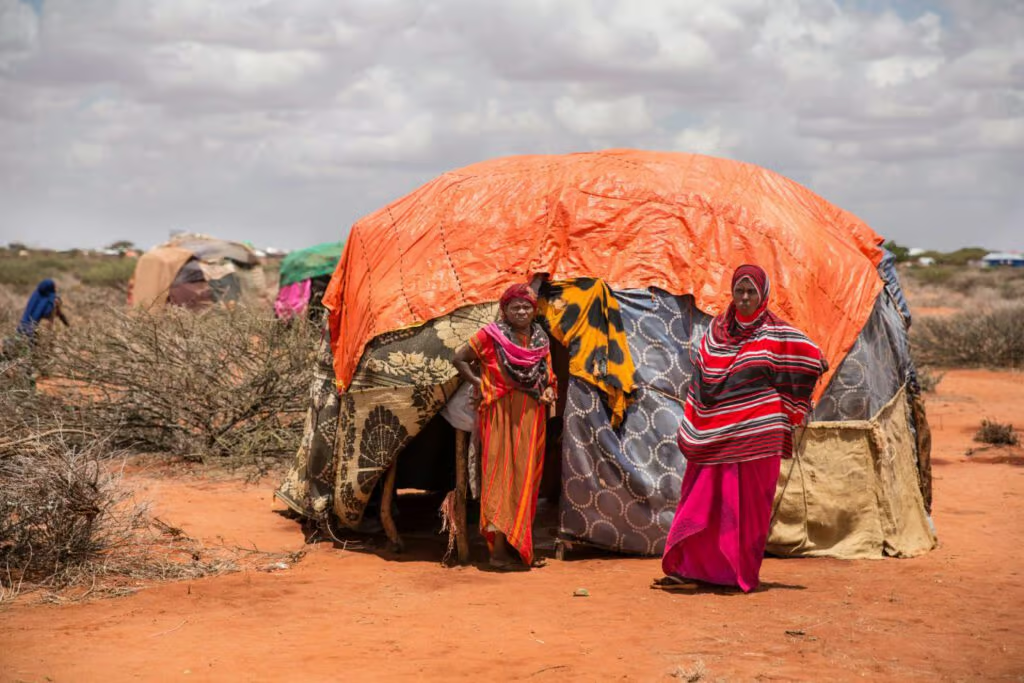
The socio-economic impact of coronavirus in East Africa and the Horn could kill more people than the pandemic itself.

The socio-economic impact of coronavirus in East Africa and the Horn could kill more people than the pandemic itself.

WFP has teamed up with the Bangladeshi Government to make sure kids missing school meals during COVID-19 shutdowns are getting the nutrition they need.
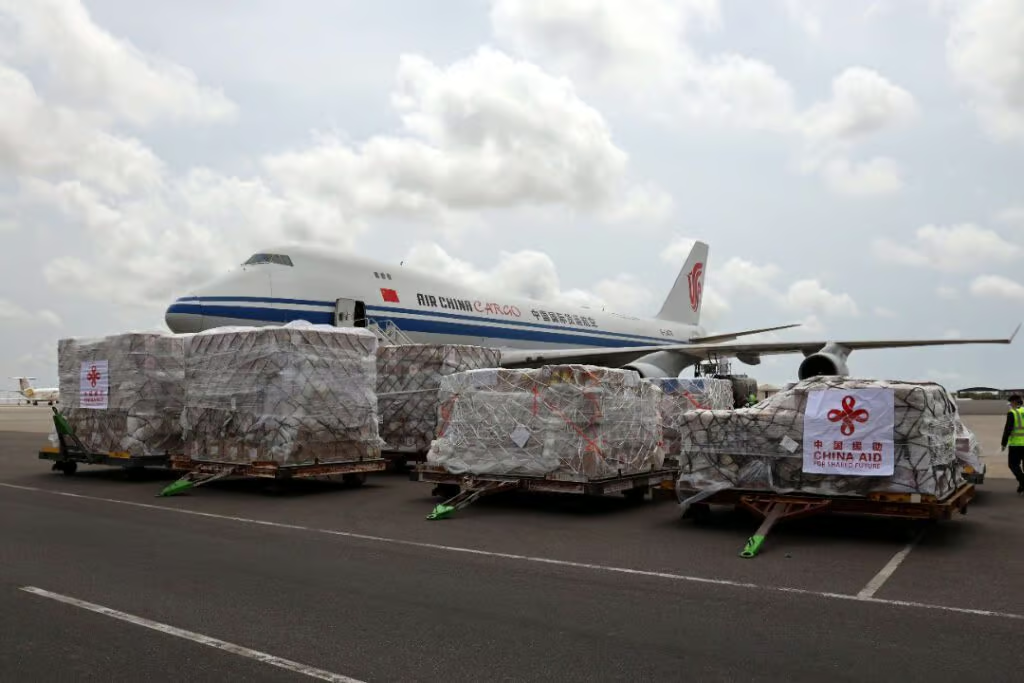
It’s part of a global hub-and-spokes flight system for medical and humanitarian supplies, transporting health workers to the front lines of the pandemic.

Salesforce announced it’s donating $150,000 toward WFP USA’s fundraising campaign for the United Nations World Food Programme’s COVID-19 emergency response and will promote its partnership through a series of virtual events.

WFP is scaling up its work in Iraq to help refugees affected by the pandemic.

As the world copes with the impact of a health pandemic and the anticipated rise in severe hunger globally, Mr. Khan’s work on behalf of WFP USA comes at a critical time.

The CEOs of these global nonprofits urge the United States to increase its support of COVID-19 response efforts.
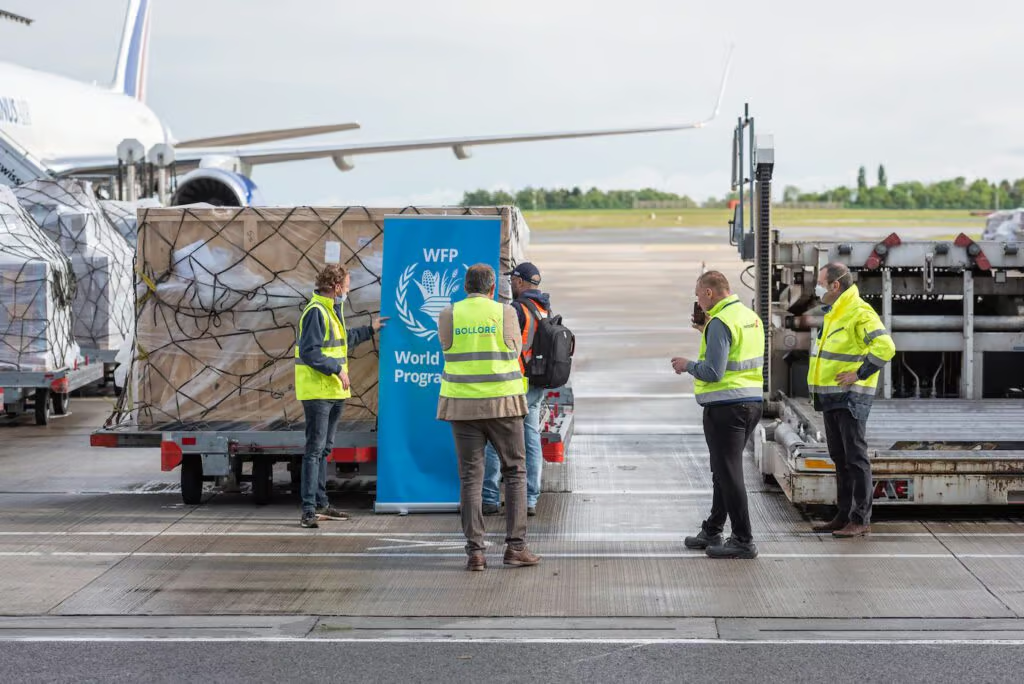
With air travel at a standstill, how do frontline responders get the supplies they need? WFP’s new network of logistic hubs will bridge the gap.
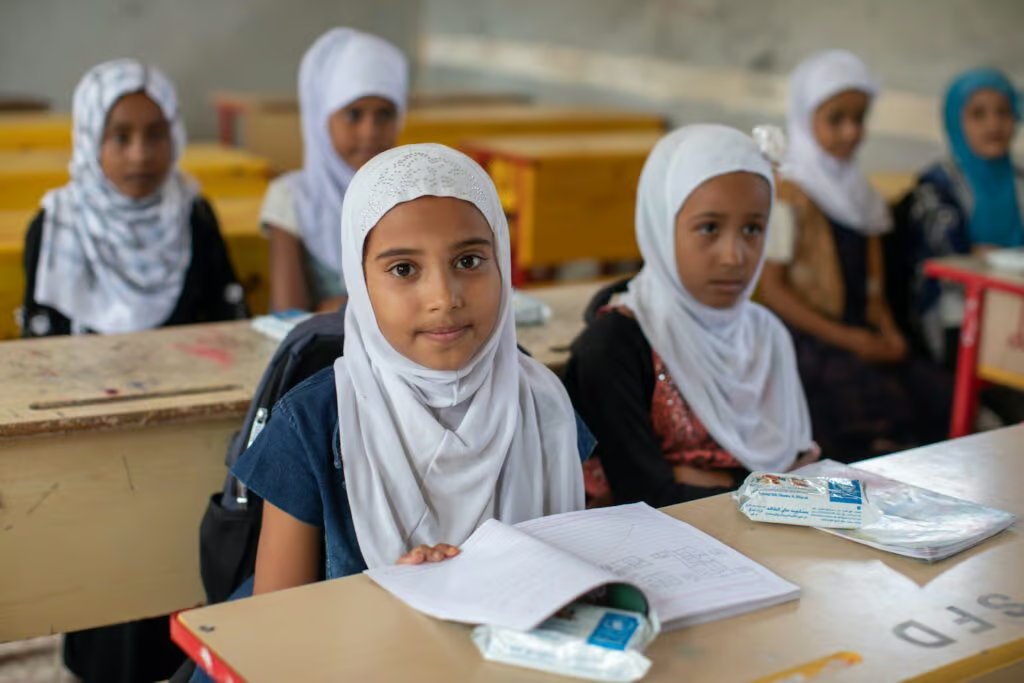
School closures “could do lasting damage,” says WFP’s executive director. The futures of more than a billion students worldwide are at stake.
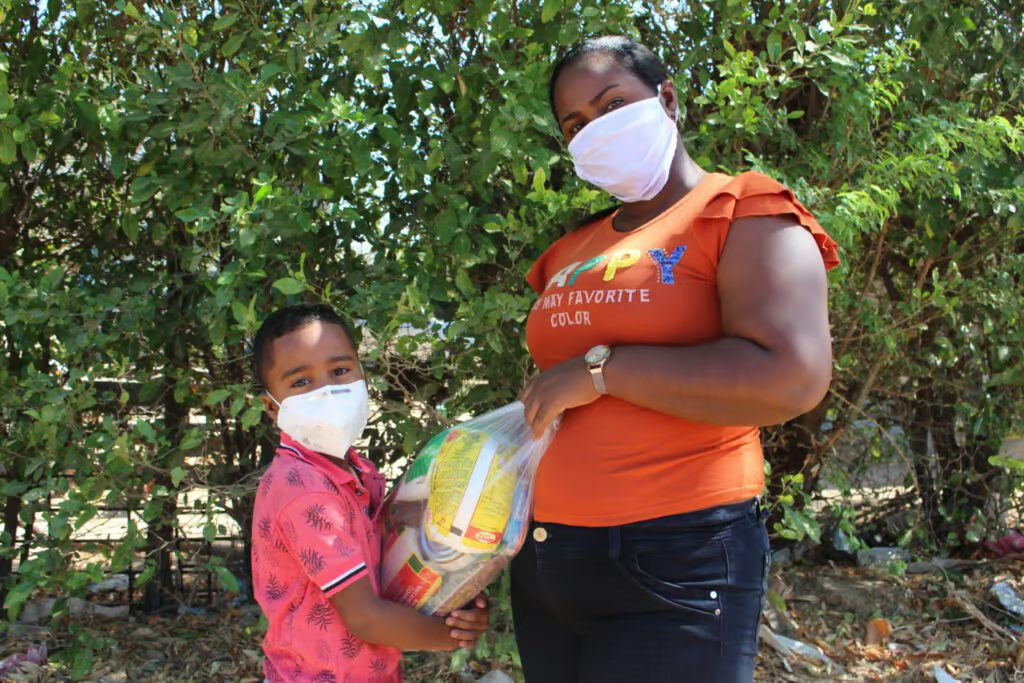
Millions of kids could go hungry during the pandemic without school meals. WFP wants to help.