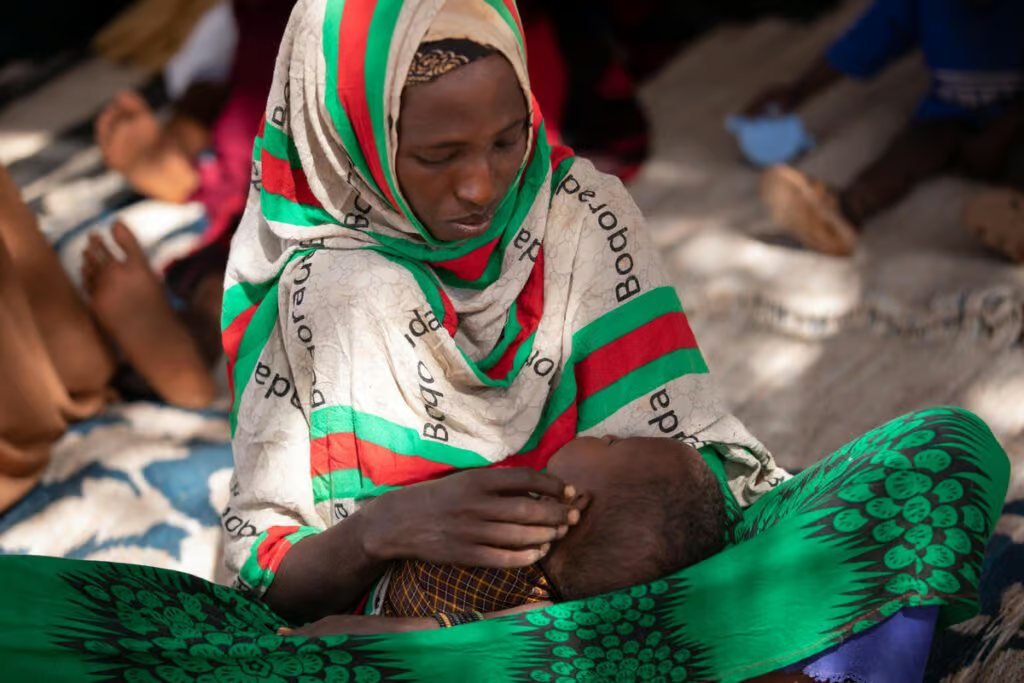
In Somalia, Women and Children Are Bearing the Brunt of the Horn of Africa Drought
In response to the looming threat of famine, WFP has scaled up to reach more people than ever before in Somalia – people like Mido.

In response to the looming threat of famine, WFP has scaled up to reach more people than ever before in Somalia – people like Mido.
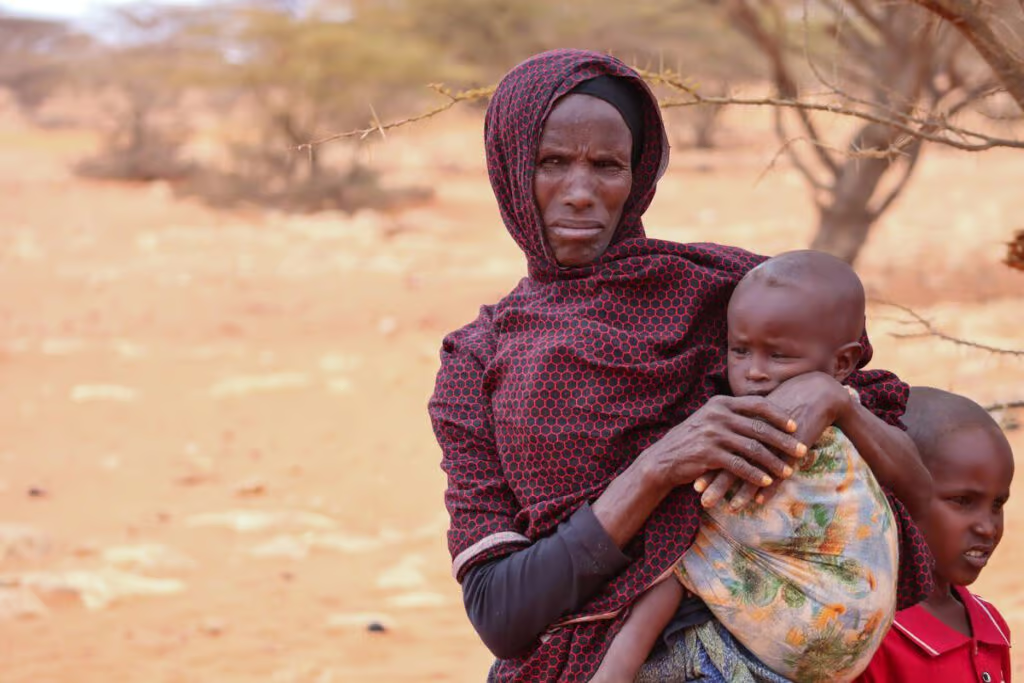
Since the start of the year, 9 million more people have slipped into severe hunger across Ethiopia, Kenya and Somalia – leaving 22 million people struggling to find enough food to eat.

In Somalia, the risk of famine looms larger than ever due to a historic fourth consecutive failed rainy season, skyrocketing prices and an underfunded humanitarian response.
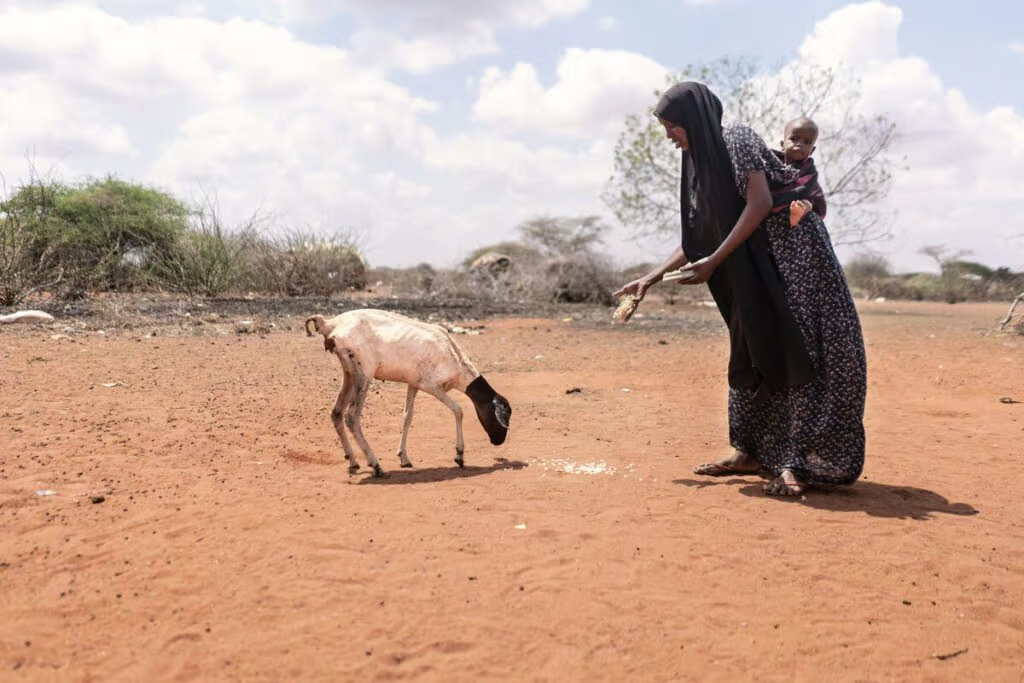
Almost a month into the current rainy season, desperately needed rains across the Horn of Africa have so far failed to materialize. If these conditions continue, the number of hungry people due to drought could spiral.

The Horn of Africa is experiencing the driest conditions recorded since 1981, with severe drought leaving an estimated 13 million people across Ethiopia, Kenya and Somalia facing severe hunger.
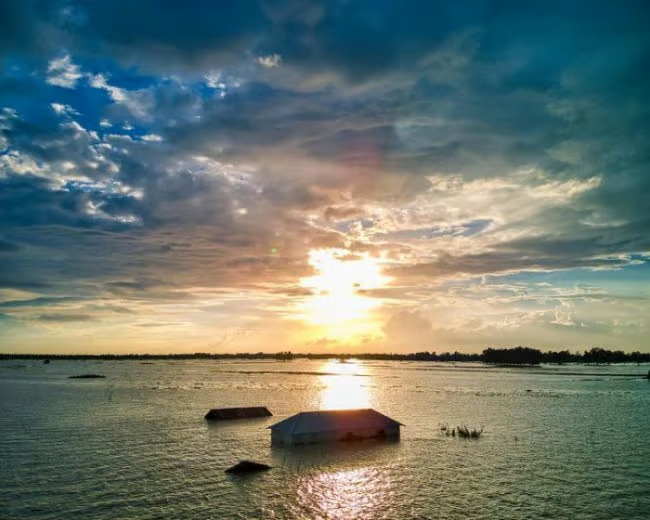
To mark Nature Photography Day, we’re looking at ten stunning photographs from some of the hungriest places on earth.
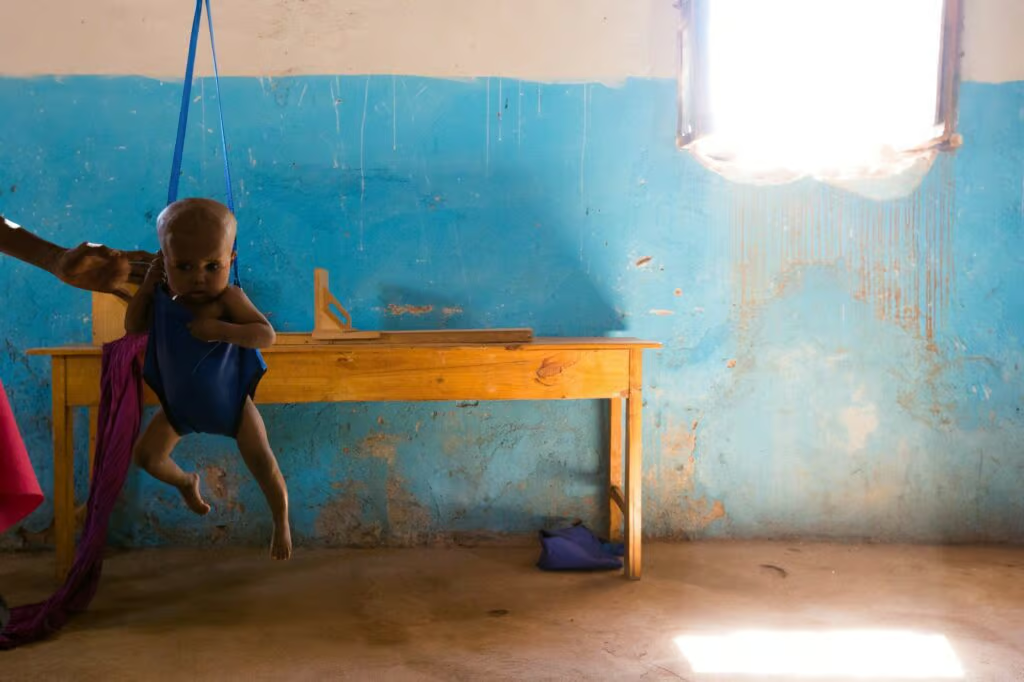
Somalia is once again on the brink of famine: A severe drought, rising food prices and violence has pushed the country to the edge.

In fragile and conflict-hit countries, it’s not the virus itself that will do most harm. It’s the missed vaccinations, the missed education and the missed daily wages that means a family can’t eat.
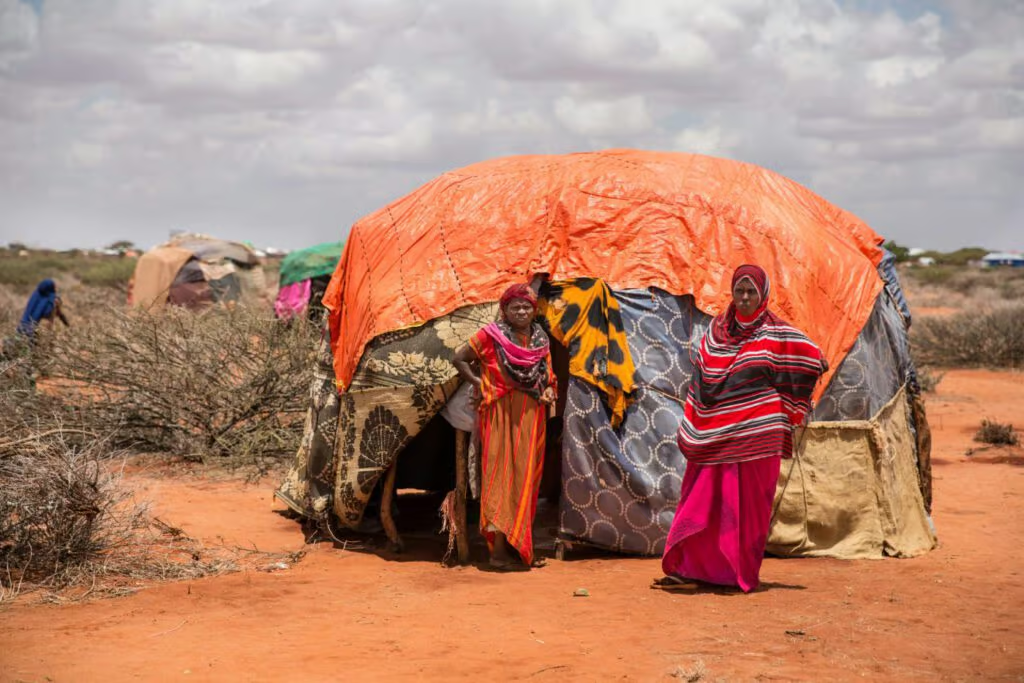
The socio-economic impact of coronavirus in East Africa and the Horn could kill more people than the pandemic itself.
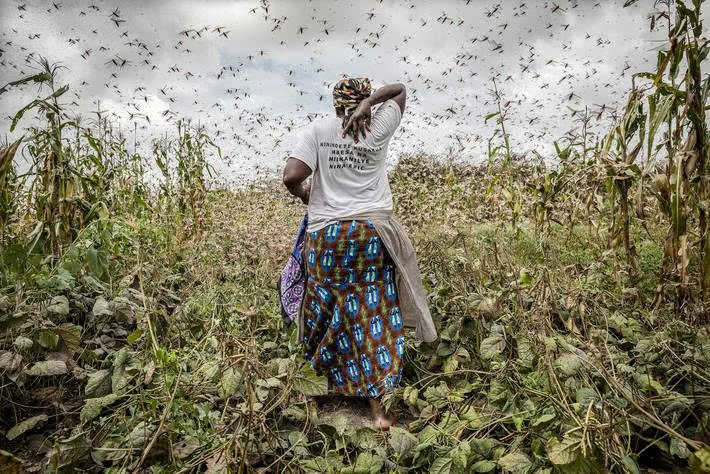
The locust upsurge affecting East Africa is a graphic and shocking reminder of this region’s vulnerability. Yet as ancient as this scourge is, its scale today is unprecedented in modern times.