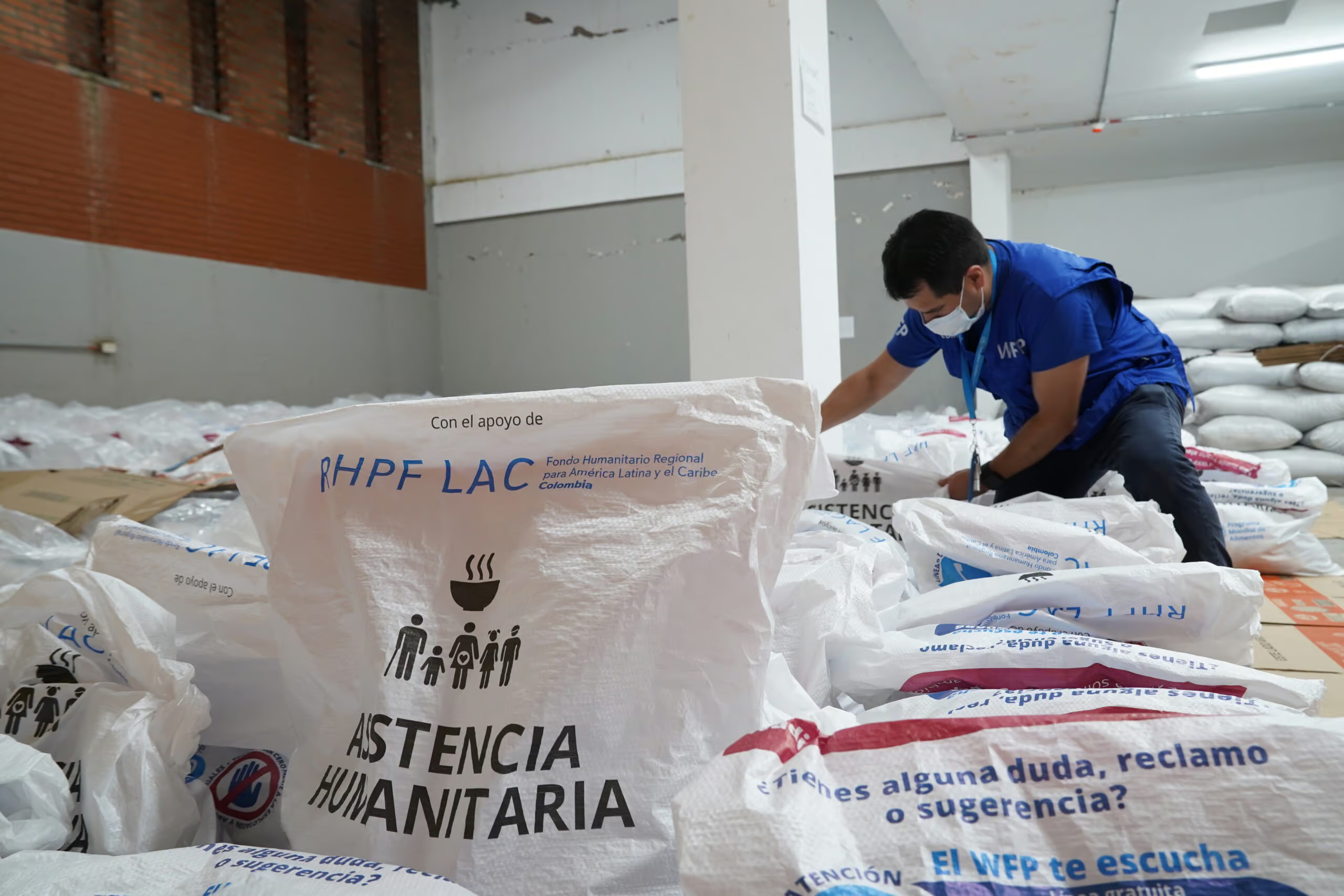
WFP scales up response in Lebanon as displacement crisis enters third month and rising costs push food out of reach
WFP warns that Lebanon faces a deepening humanitarian crisis as displacement grows and food insecurity worsens.

WFP warns that Lebanon faces a deepening humanitarian crisis as displacement grows and food insecurity worsens.
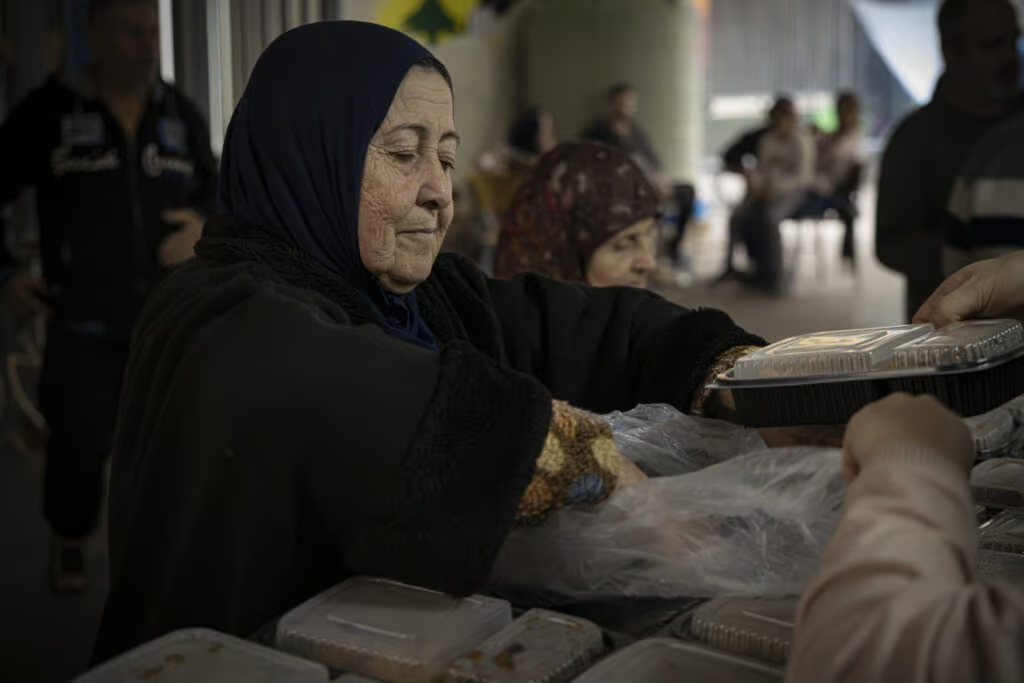
A sharp escalation in violence has reversed recent food security gains in Lebanon and pushed the country back into crisis.
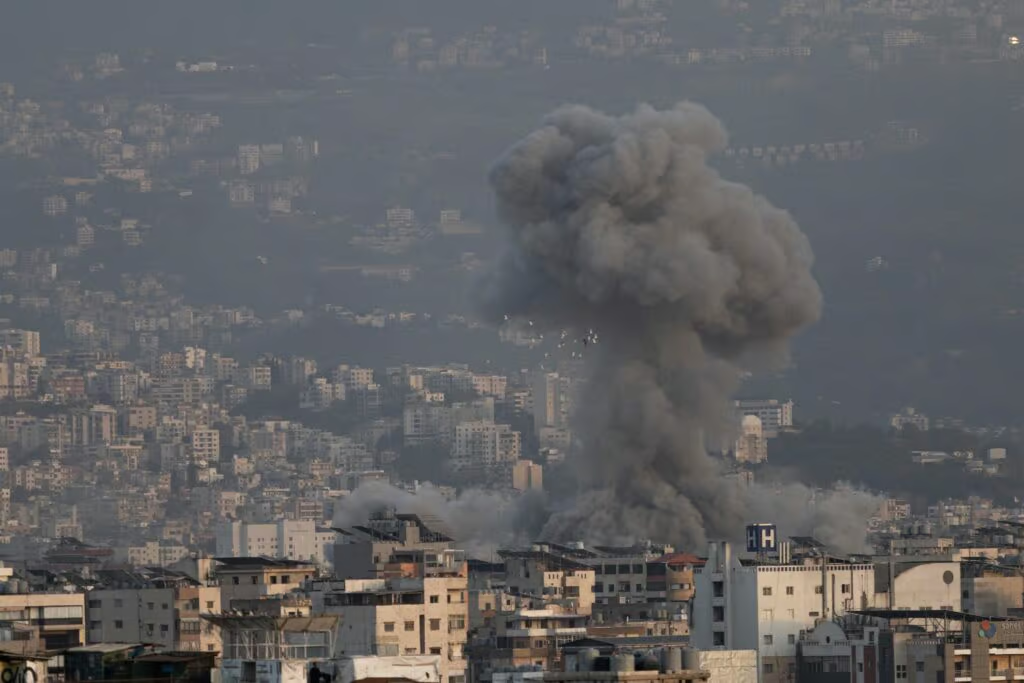
The recent escalation of conflict in the Middle East has triggered far-reaching consequences for communities both within and beyond the region. The crisis is rapidly evolving. Below,

(WFP) is warning today that the total number of people around the world facing acute levels of hunger could reach record numbers in 2026 if the escalation in the Middle East continues to destabilize the world’s economy.

In Lebanon, Syria, Iran and beyond, WFP is reaching the most vulnerable people, but supply chain bottlenecks risk roiling economies, threatening food security and jeopardizing operations.

The government of Lebanon and WFP have activated an emergency cash assistance program for conflict-affected people.
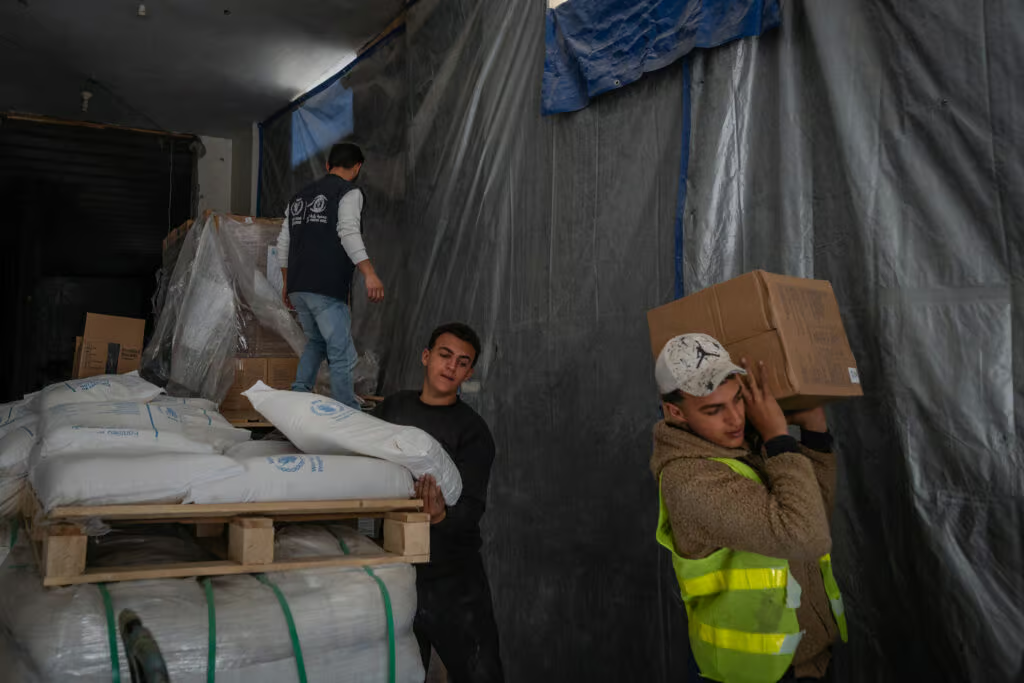
WFP is warning that surging food and fuel prices driven by the escalation of the conflict could have ripple effects that will worsen hunger.

Driven by ongoing security developments, the humanitarian situation across the Middle East is changing quickly. WFP is ready to scale up. They have activated emergency preparedness measures across the region, and they can move fast.

Lebanon is facing a severe economic, political and social crisis on top of the Syrian refugee crisis.

Nearly a third of Lebanon’s population is facing acute food insecurity following the escalation of conflict in late 2024, according to a new food security assessment.