Global Disruptions to Supply Chains Are Driving Tomorrow’s Hunger Crisis
This is a transcript of what was said by Corinne Fleischer at today’s press briefing at the Palais des Nations in Geneva.

This is a transcript of what was said by Corinne Fleischer at today’s press briefing at the Palais des Nations in Geneva.
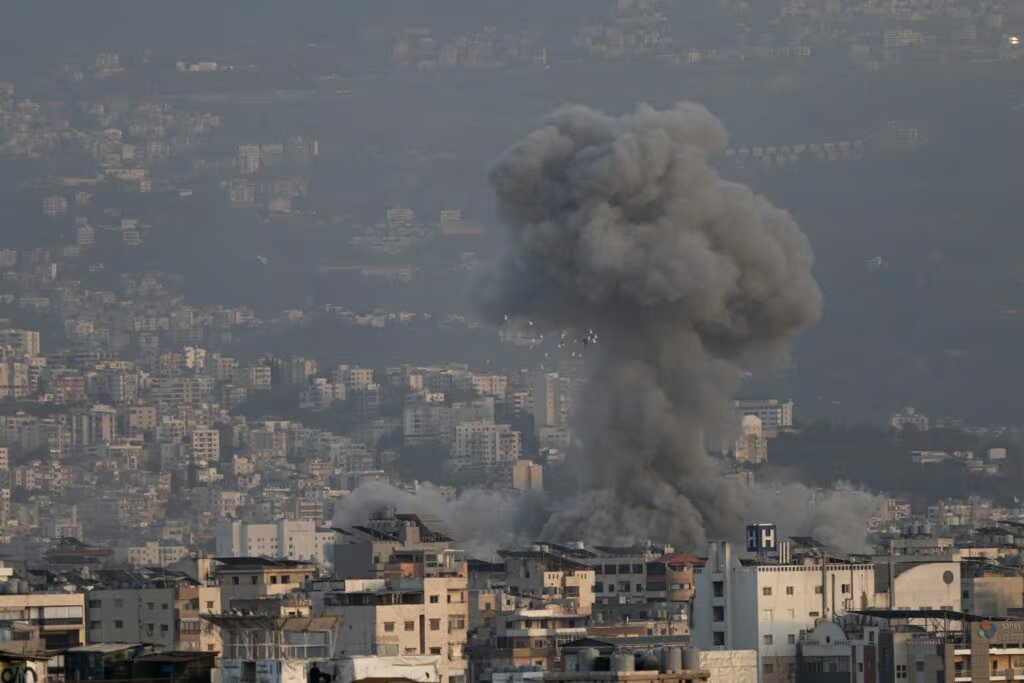
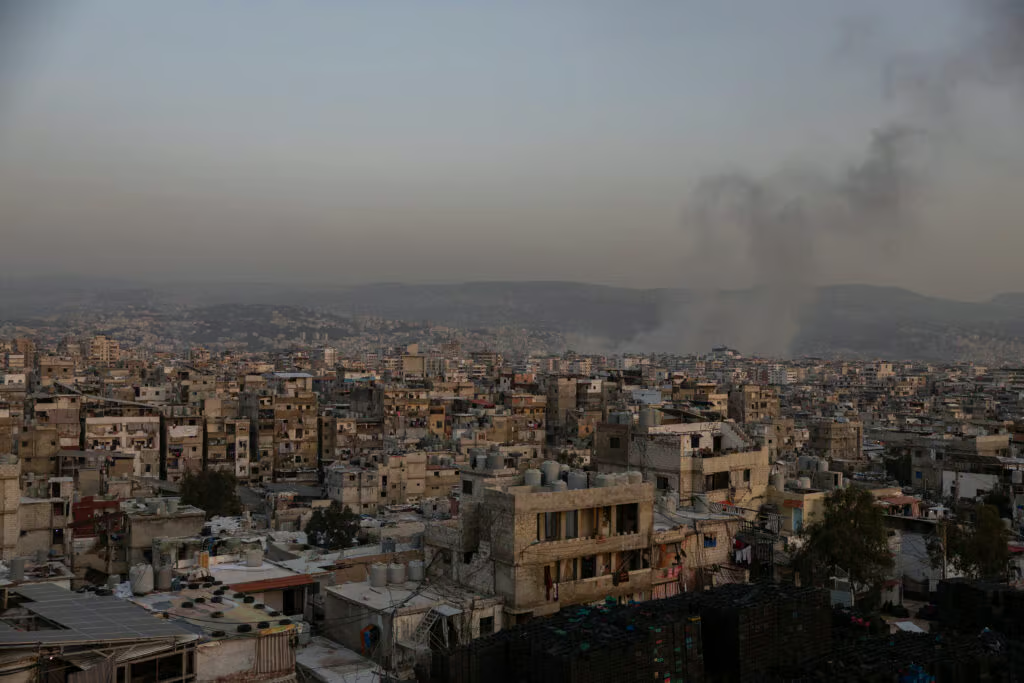
The recent escalation of conflict in the Middle East has triggered far-reaching consequences for communities both within and beyond the region. The crisis is rapidly evolving. Below,

(WFP) is warning today that the total number of people around the world facing acute levels of hunger could reach record numbers in 2026 if the escalation in the Middle East continues to destabilize the world’s economy.

In Lebanon, Syria, Iran and beyond, WFP is reaching the most vulnerable people, but supply chain bottlenecks risk roiling economies, threatening food security and jeopardizing operations.
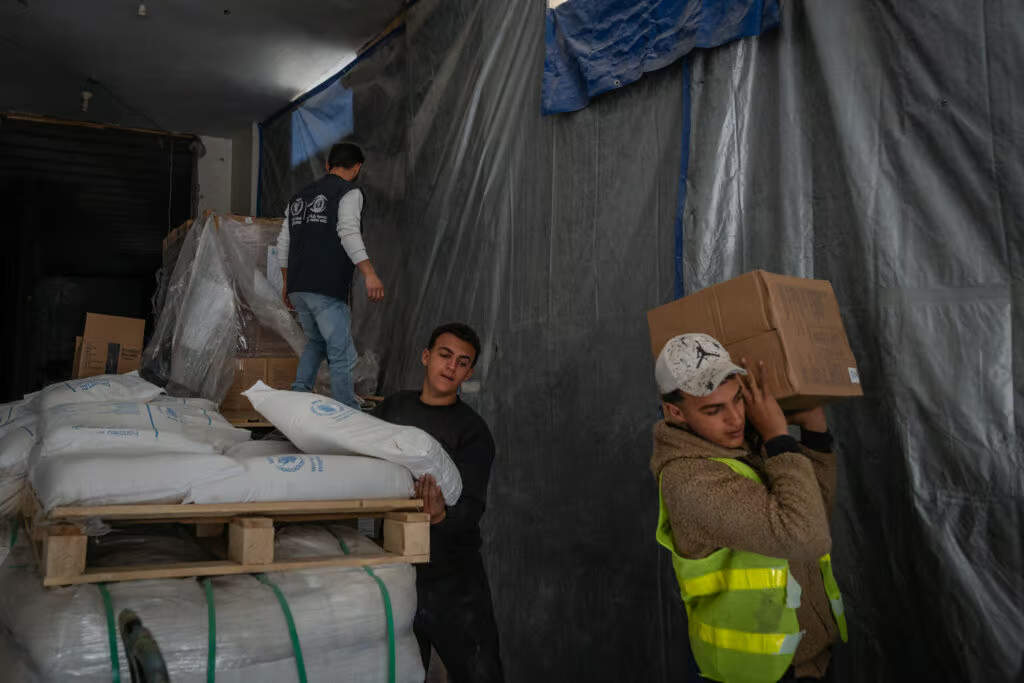
WFP is warning that surging food and fuel prices driven by the escalation of the conflict could have ripple effects that will worsen hunger.

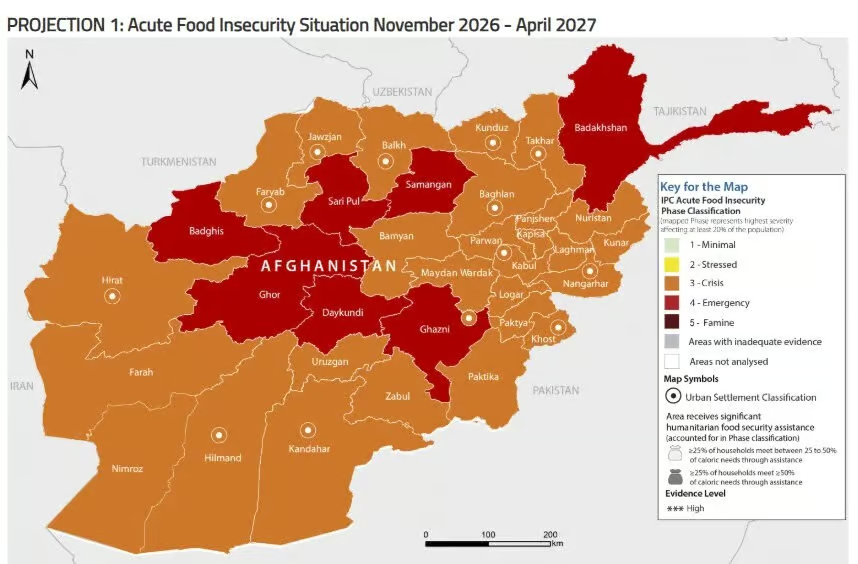
The Islamic Republic of Iran, a lower-middle-income country, is hosting one of the largest and most protracted refugee populations in the world. Iran has hosted at least 1 million refugees – mostly from Iraq and Afghanistan – for the past 40 years, straining the country’s food and social systems.
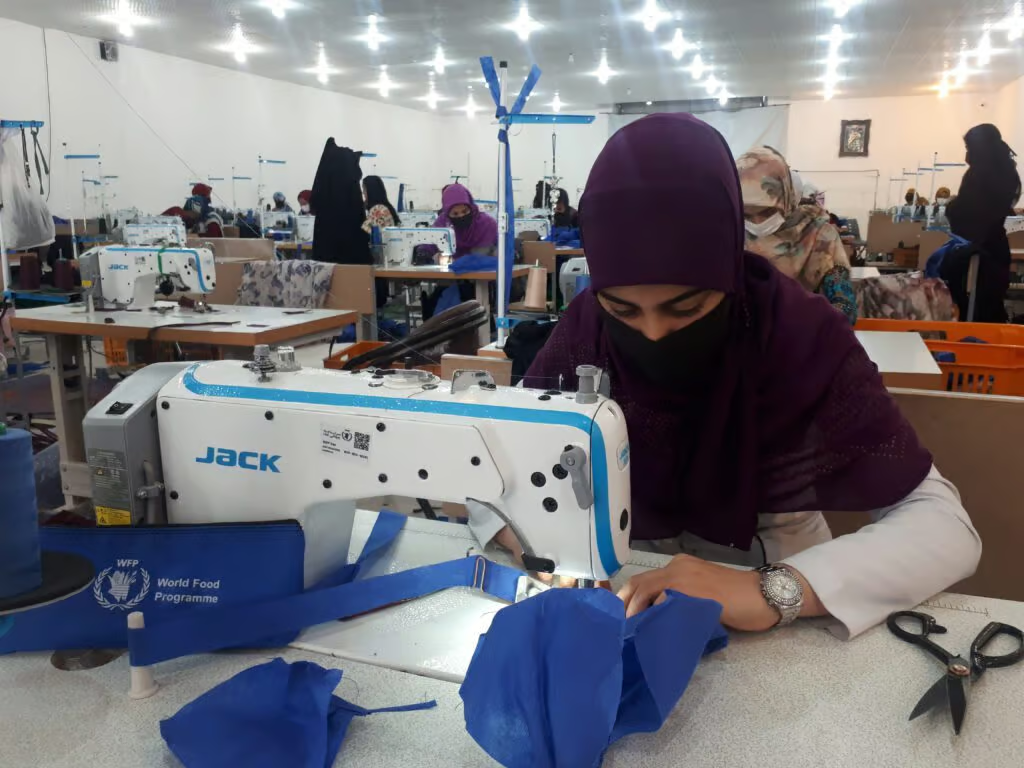
Iran has been one of the countries hit hardest by COVID-19. In that context, 70 refugees have come forward to give back to their community.