Mustering Hope to Reduce Global Hunger in 2021
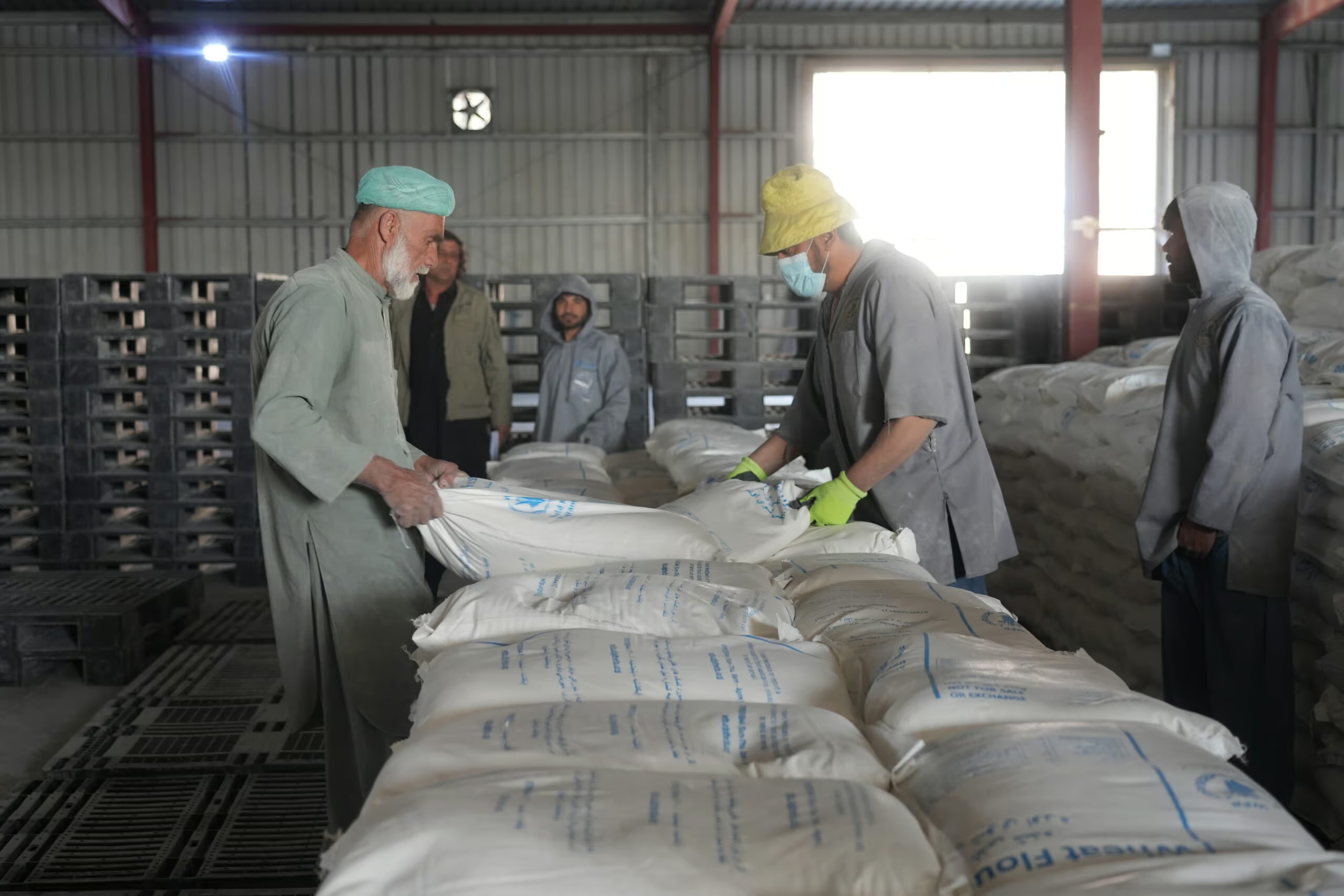
WFP never abandons hope. We’re applying it in spades to roll back one of the most severe hunger catastrophes in our six decades of existence.

WFP never abandons hope. We’re applying it in spades to roll back one of the most severe hunger catastrophes in our six decades of existence.
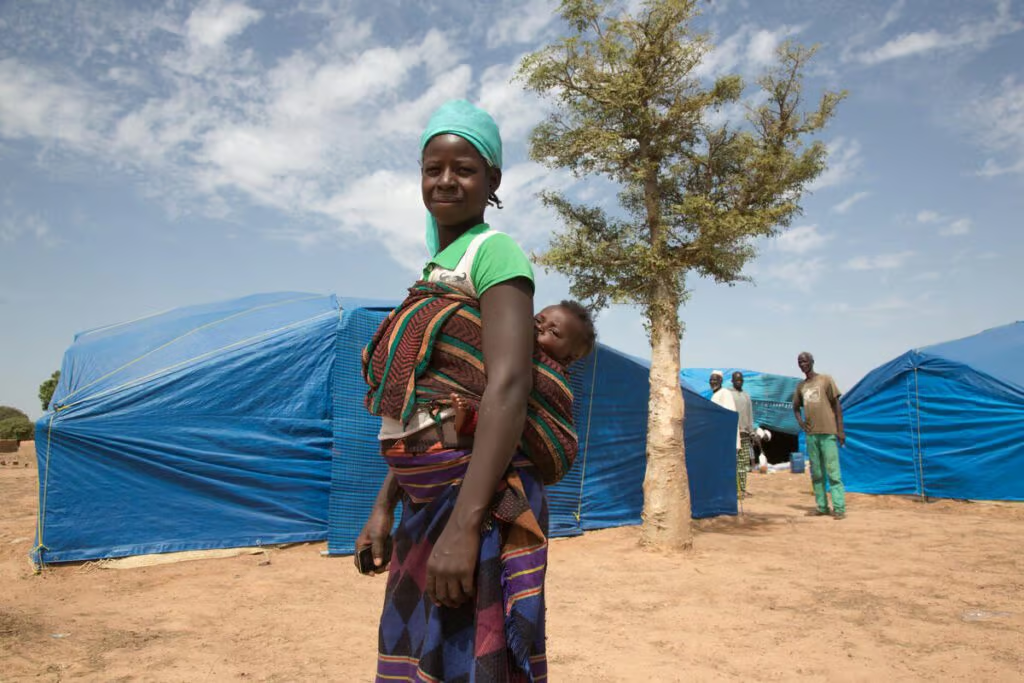
Conflict-ridden Burkina Faso is one of four nations teetering on the brink of famine. The Hilton Foundation’s contribution is critical in addressing urgent hunger here.
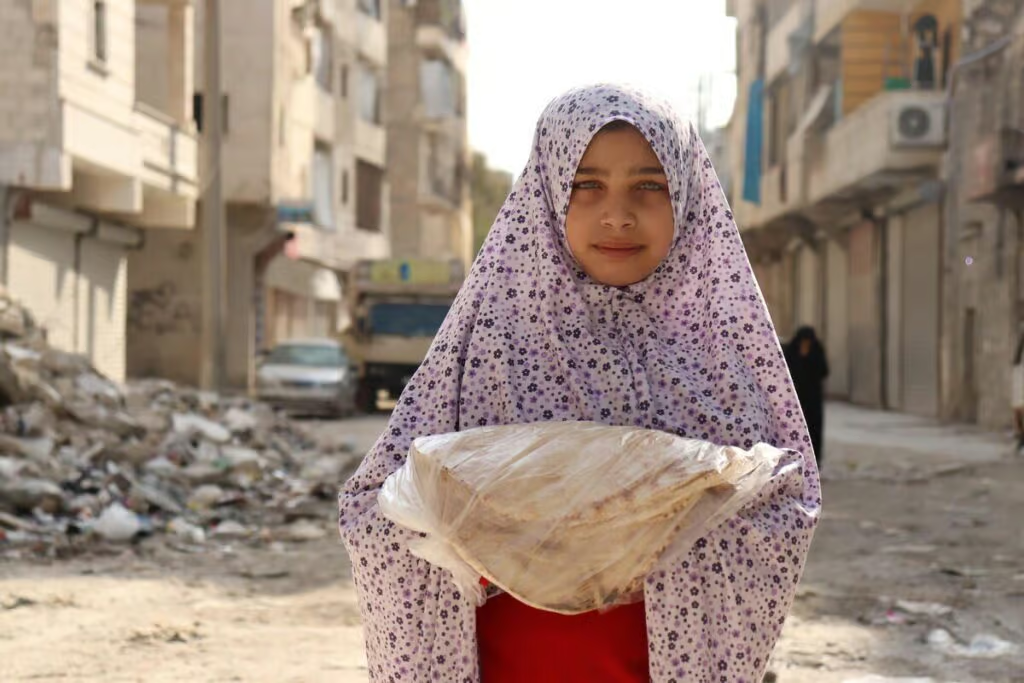
The Nobel recognition of the United Nations World Food Programme comes as famine again threatens millions of people, especially in four conflict-affected countries.

More than 800 U.N. Volunteers have served with WFP in the past decade, helping us save lives in over 70 countries.

Humanitarian advocate Rima Fakih and NYTimes columnist Nicholas Kristof joined WFP’s Valerie Guarnieri and moderator Femi Oke for a lively exchange on how this triple threat has upended the health and security of billions of people around the world.

Burkina Faso, northeastern Nigeria, South Sudan and Yemen are facing famine from a toxic combination of conflict, economic decline, climate extremes and coronavirus.

Violence and insecurity have pushed 7.4 million people in the Central Sahel region of West Africa into acute hunger. WFP has requested urgent access.
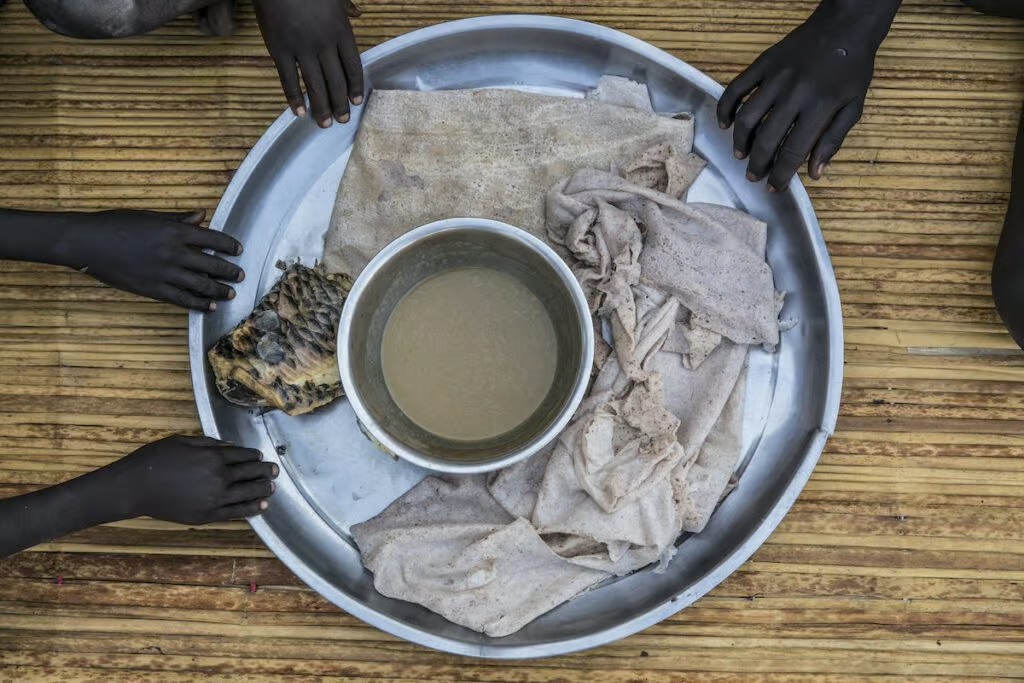
A new report exposes the destructive impact of conflict, climate change and economic crises, now compounded by COVID-19, in driving up hunger.
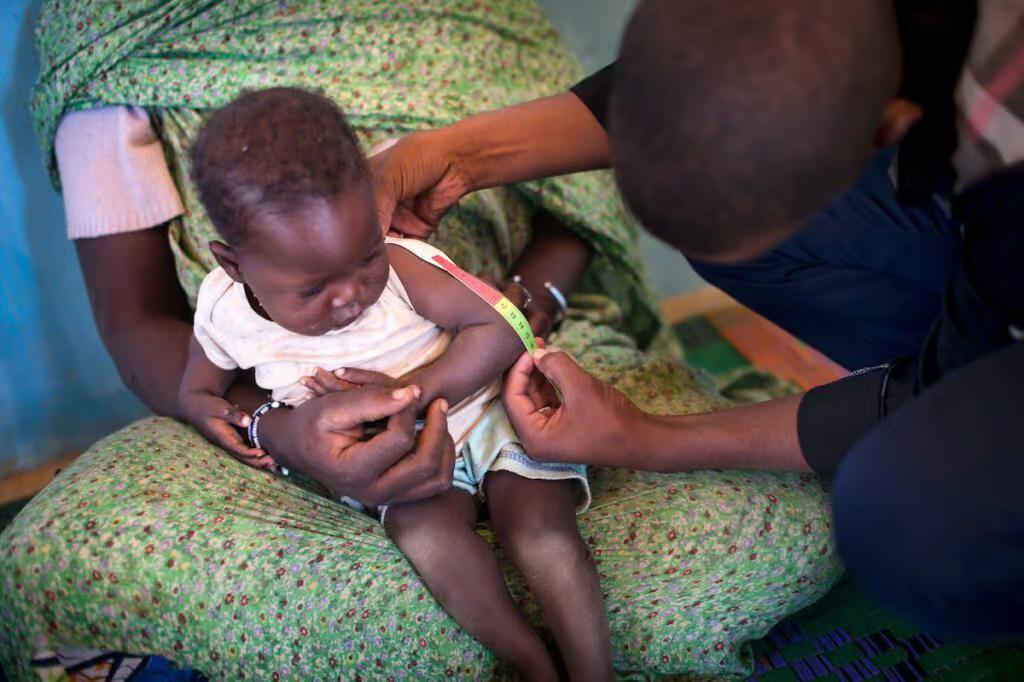
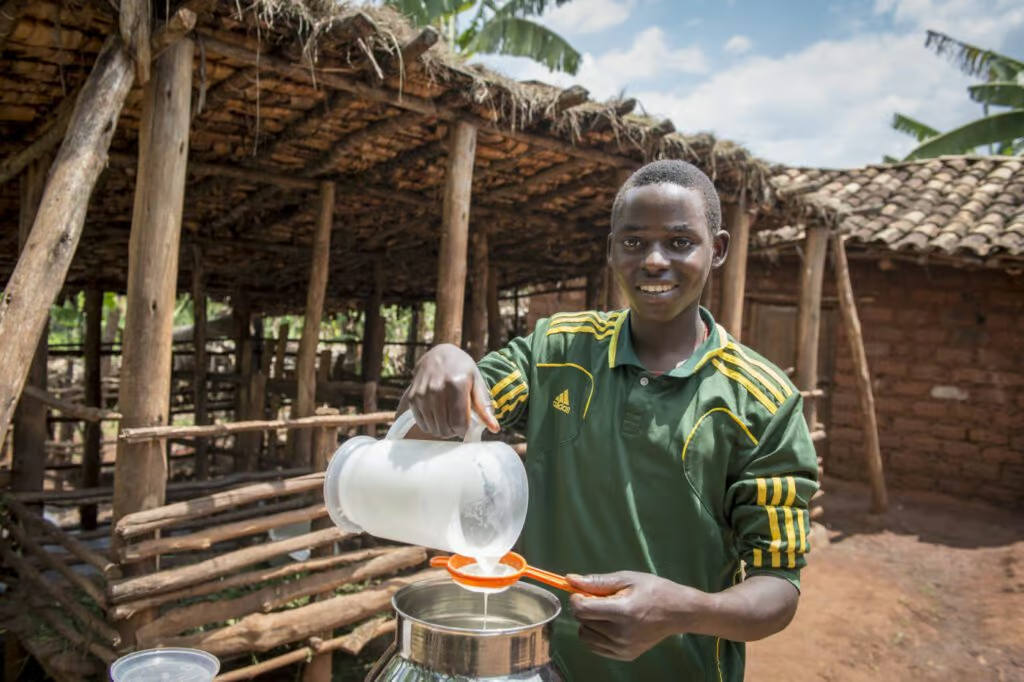
A whirlwind of conflict, displacement and pandemic means that more than 15 million kids could going hungry in West and Central Africa. We must respond immediately.
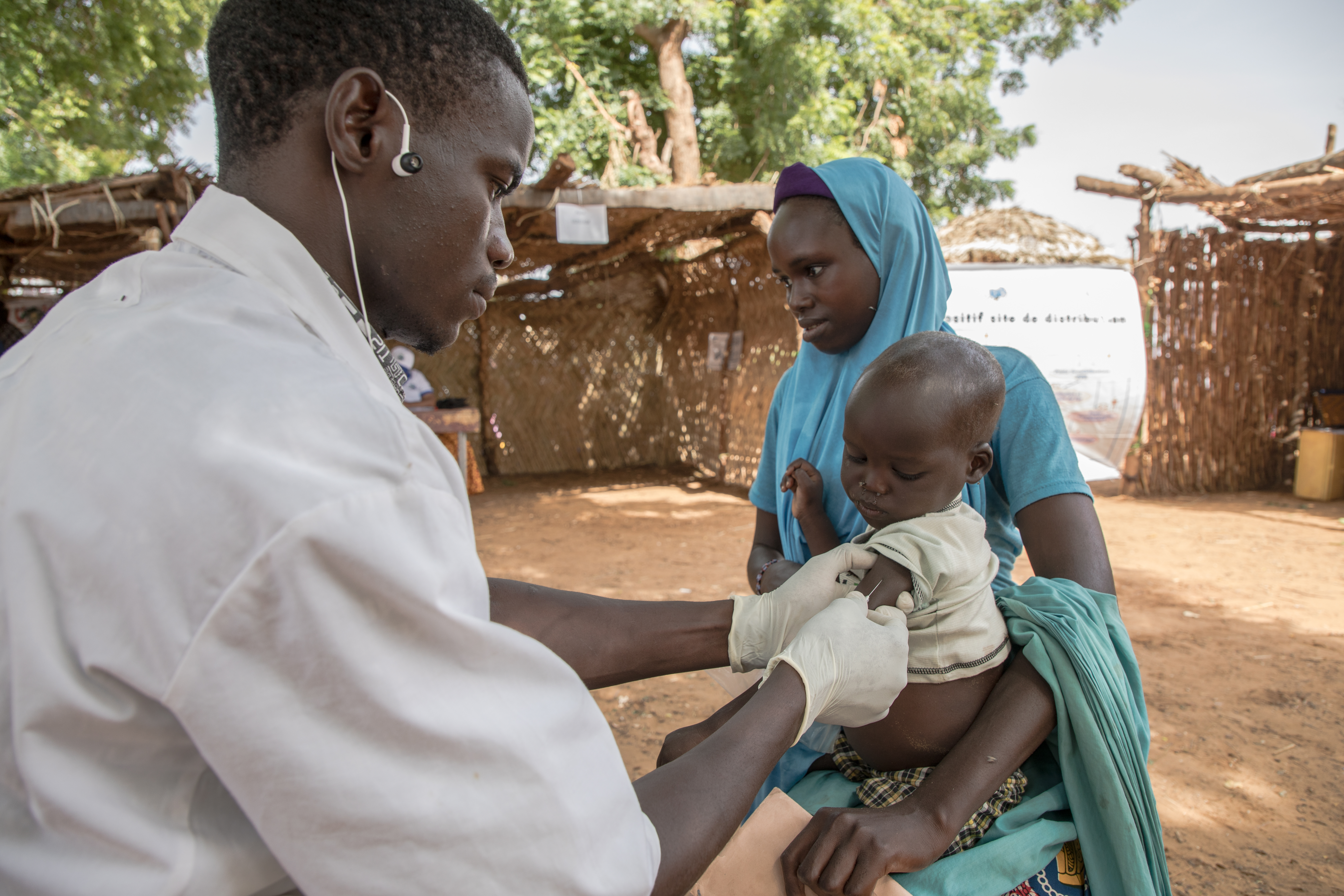
“Our message to the world is clear: Look away now and the consequences will be no less than catastrophic,” says Chris Nikoi, WFP’s Regional Director for West Africa.