Here’s How U.N. Volunteers Help Us Feed Hungry People Around the World
More than 800 U.N. Volunteers have served with WFP in the past decade, helping us save lives in over 70 countries.

More than 800 U.N. Volunteers have served with WFP in the past decade, helping us save lives in over 70 countries.

Humanitarian advocate Rima Fakih and NYTimes columnist Nicholas Kristof joined WFP’s Valerie Guarnieri and moderator Femi Oke for a lively exchange on how this triple threat has upended the health and security of billions of people around the world.

Many people don’t realize the strong link between hunger and AIDS, but it is one of the major reasons why I became president and CEO of World Food Program USA.
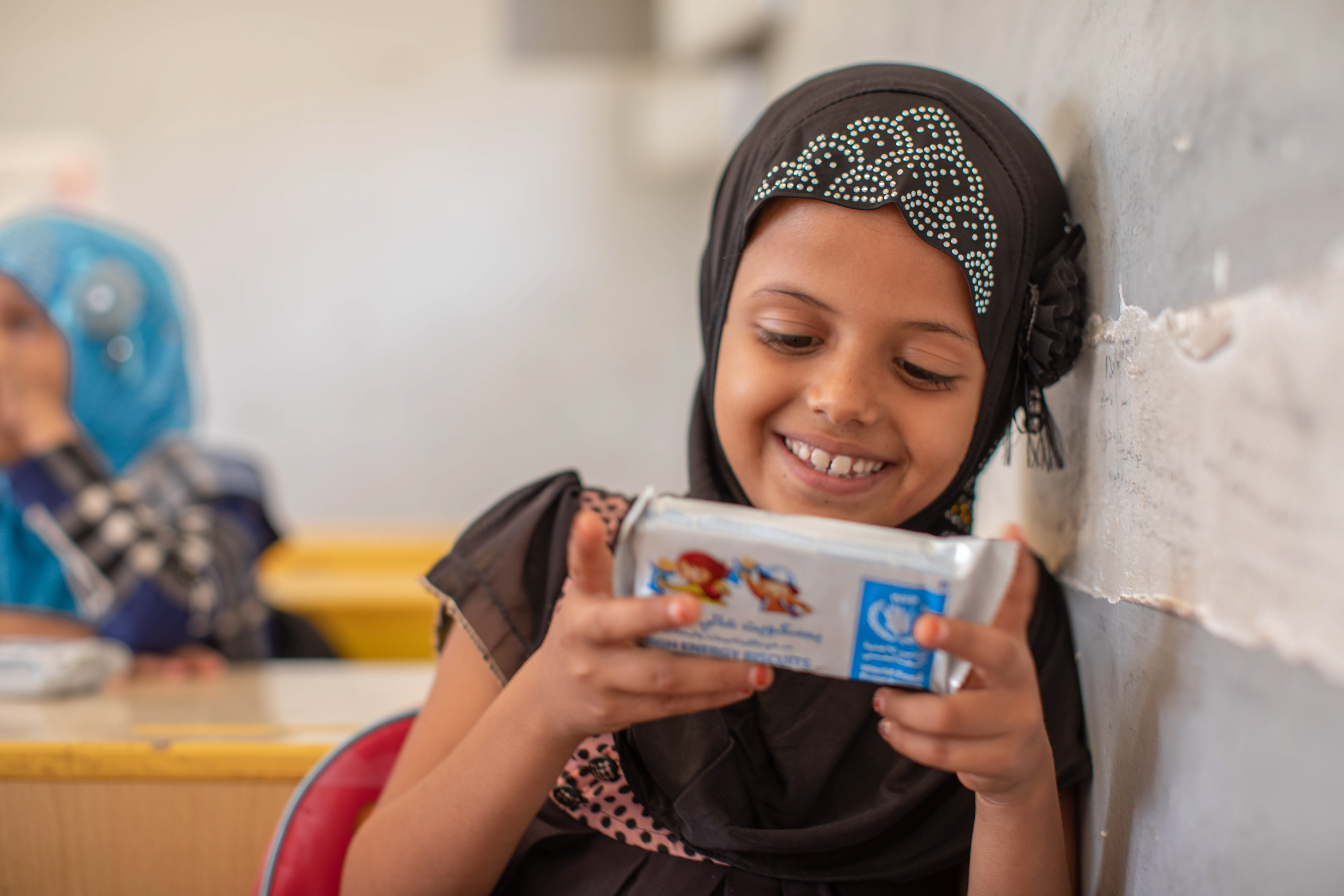
The money will enable WFP to feed about 841,000 children, which couldn’t come at a more critical time after COVID-19 closures.
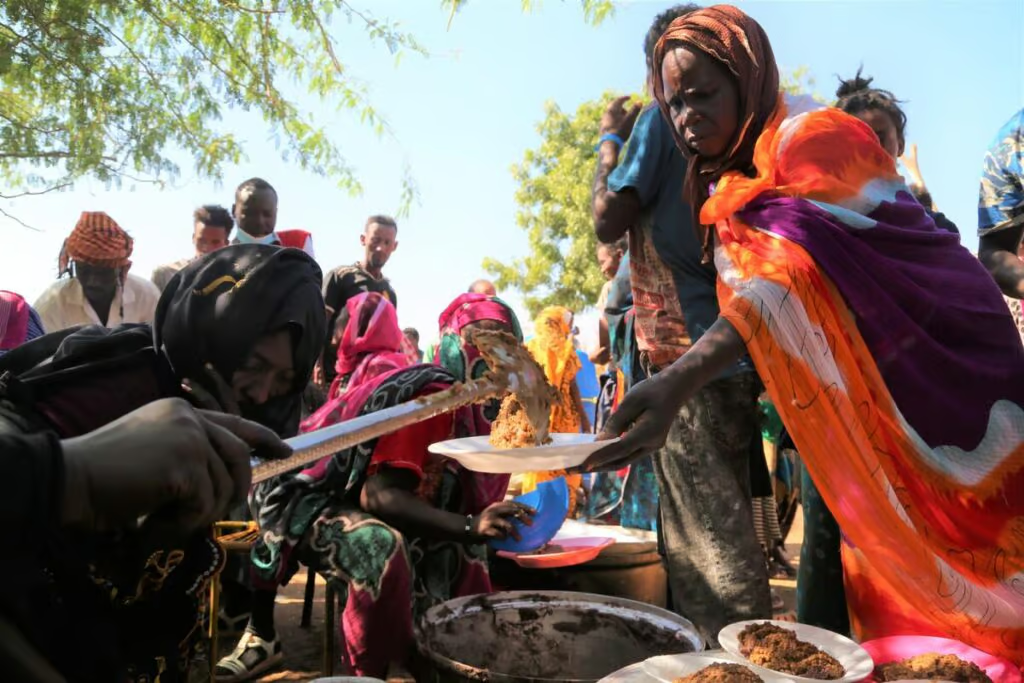
More than 30,000 Ethiopians have crossed across into Sudan, fleeing conflict in their home region. We urgently need additional funding to save their lives.
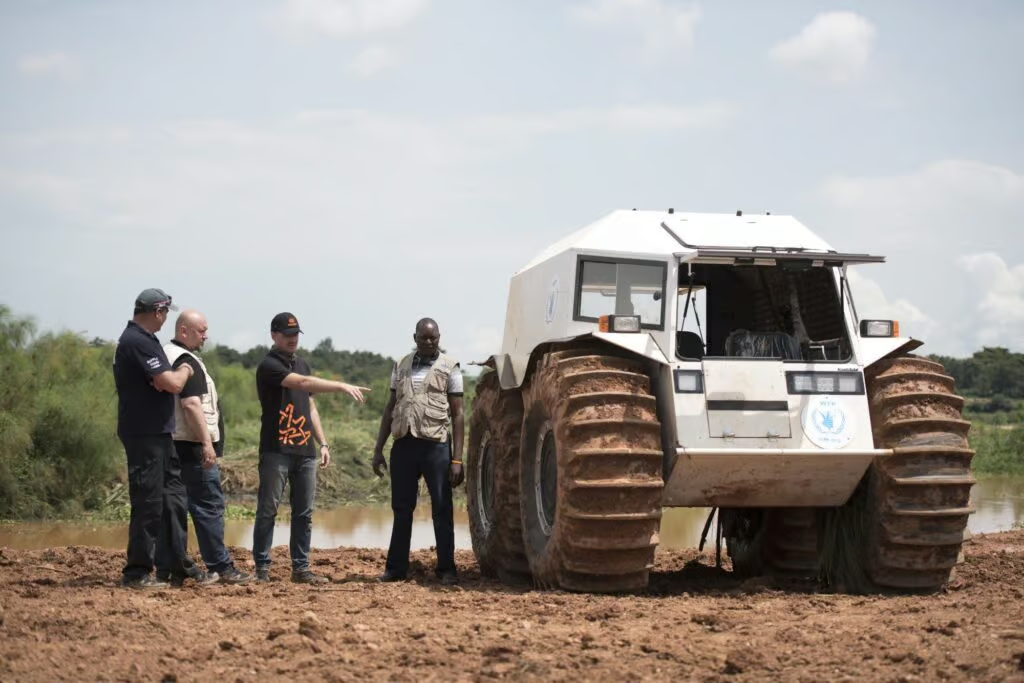
Meet the river fording, jungle trekking, all-terrain vehicle that’s helping us get food to people in the most remote places.

In fragile and conflict-hit countries, it’s not the virus itself that will do most harm. It’s the missed vaccinations, the missed education and the missed daily wages that means a family can’t eat.
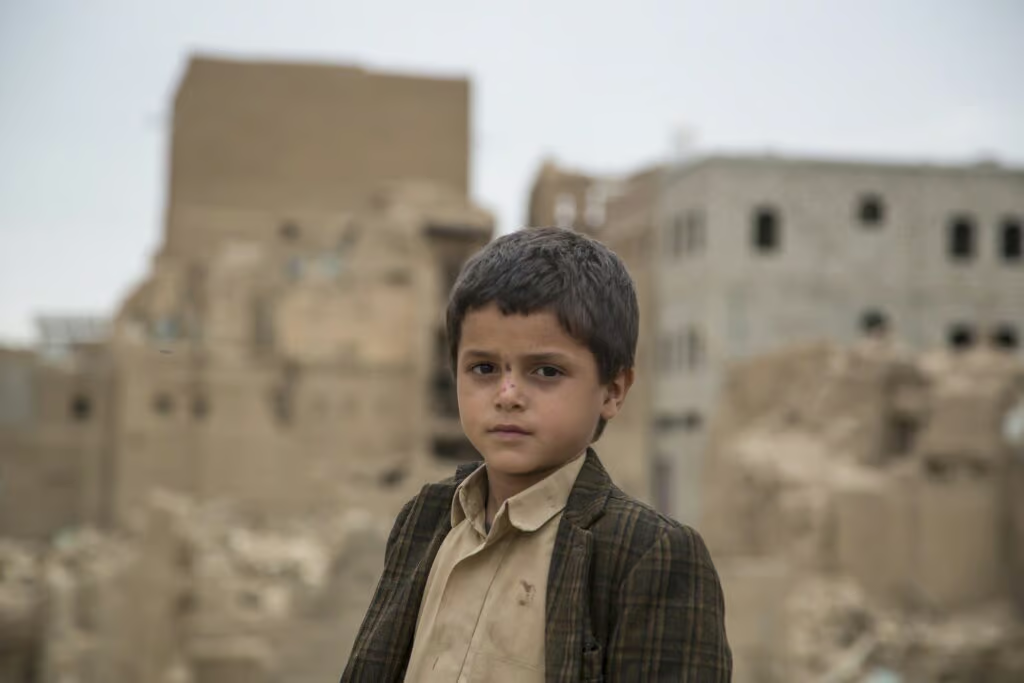
Two years ago, the UN Security Council unanimously adopted Resolution 2417, banning hunger as a weapon of war. Here we reflect on its significance and what difference it’s made.

Burkina Faso, northeastern Nigeria, South Sudan and Yemen are facing famine from a toxic combination of conflict, economic decline, climate extremes and coronavirus.

An ATM that dispenses food, a simple moisture meter, and an air-tight bag: these seemingly simple innovations could be game-changers for disrupting hunger around the world.