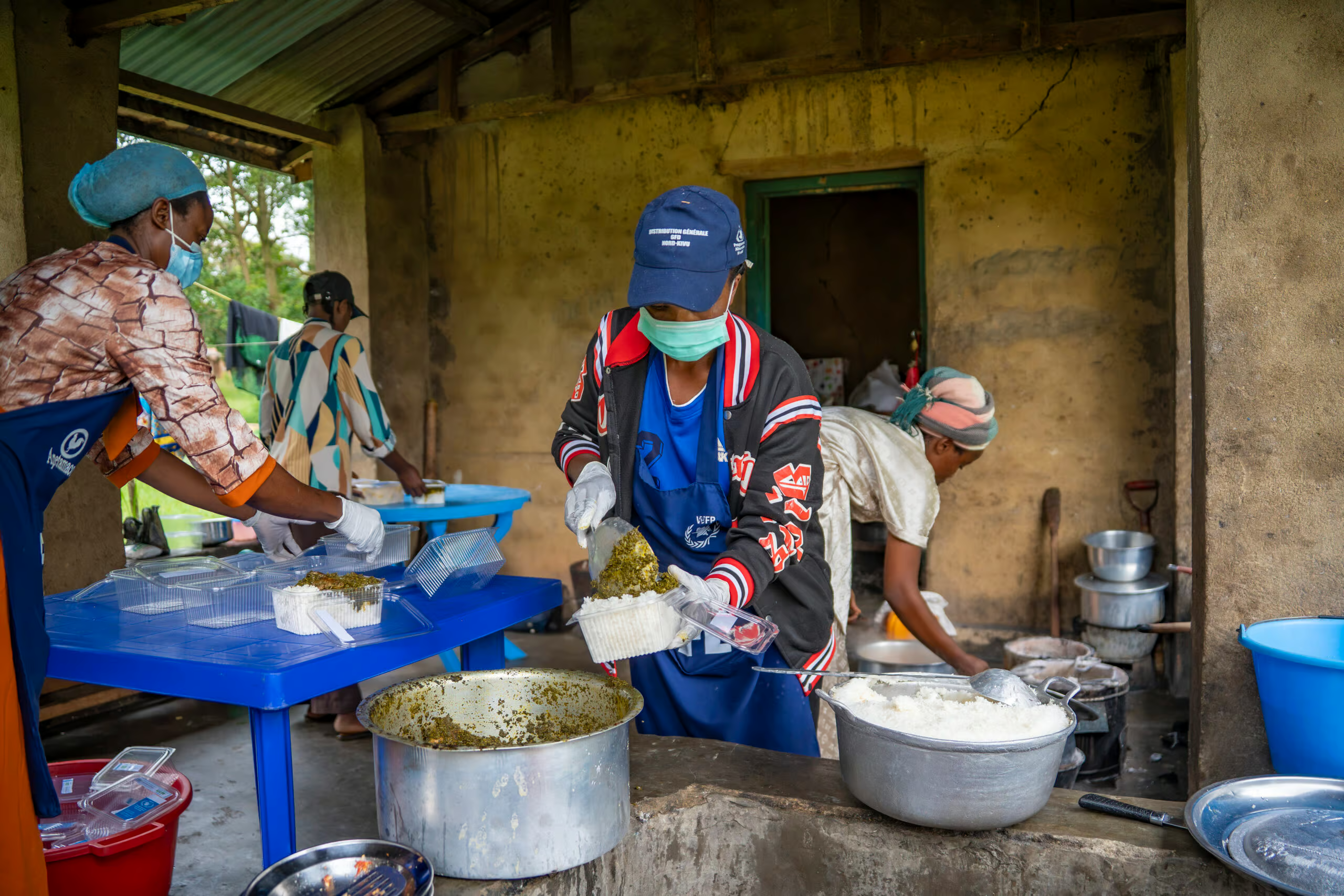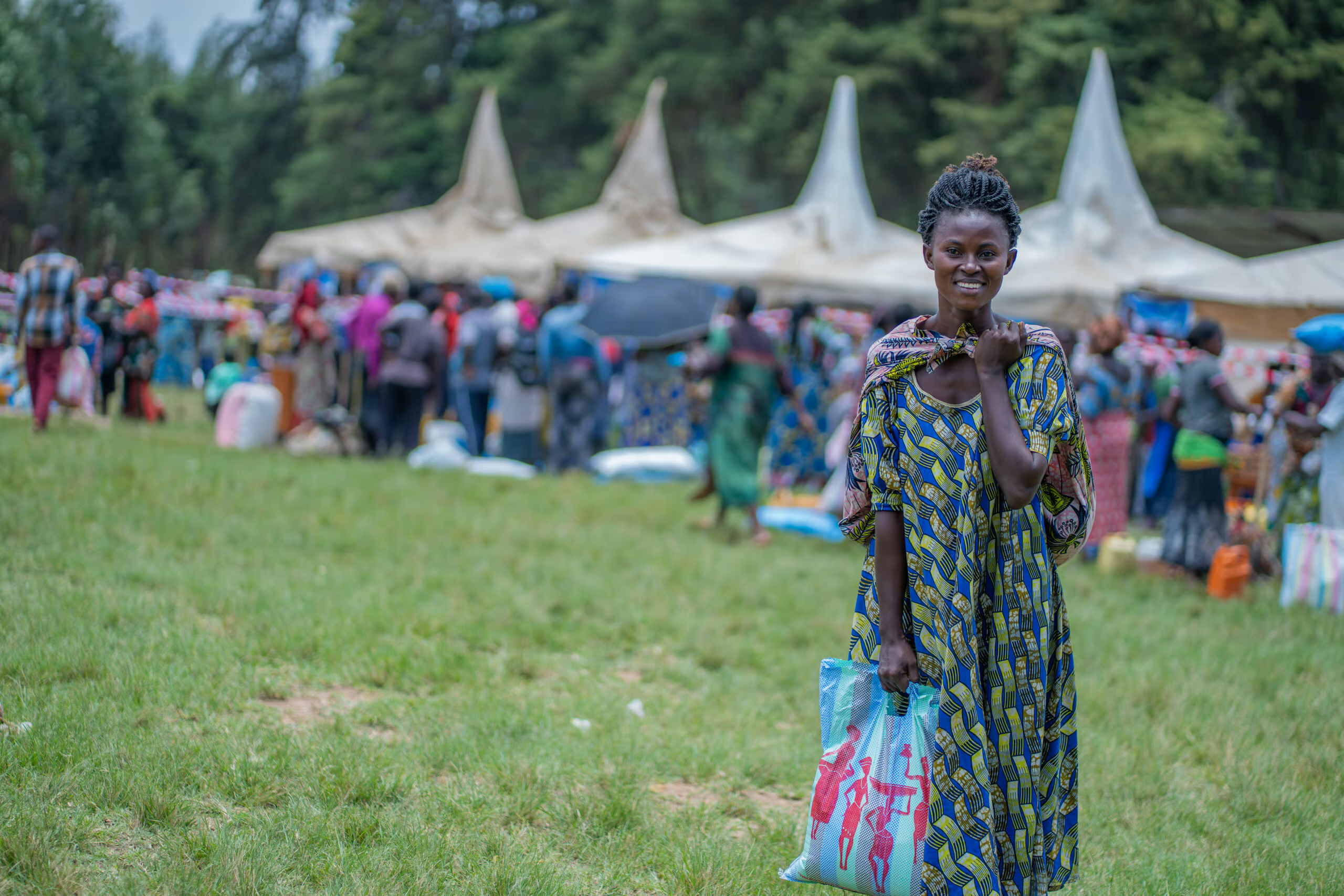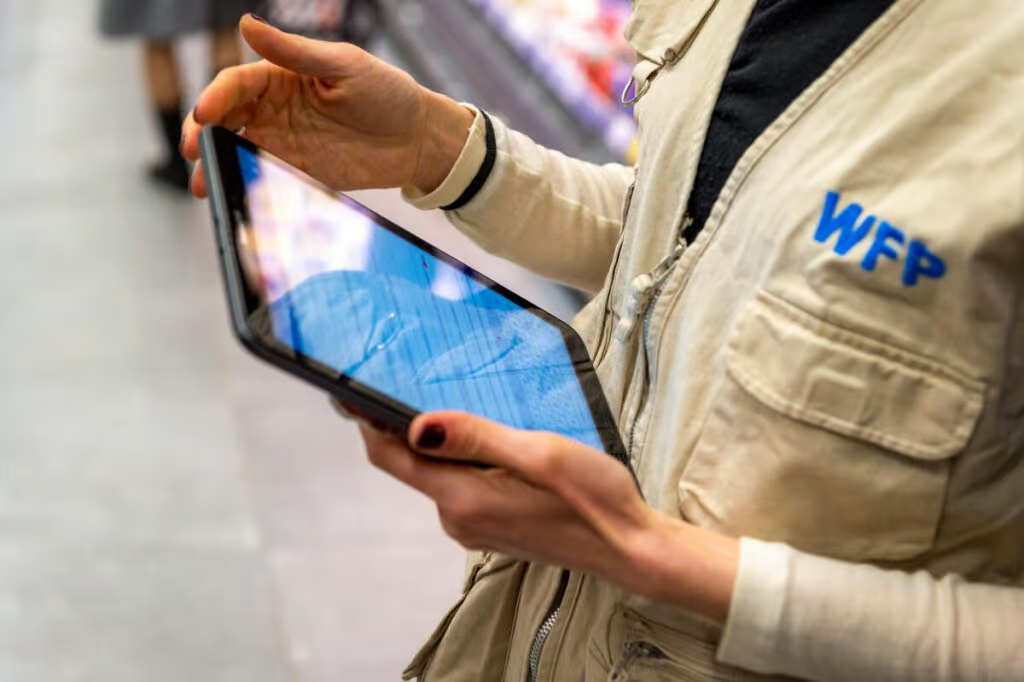
A decade ago, the United Nations World Food Programme (WFP) launched its pioneering remote hunger monitoring initiative, utilizing mobile technology to track food availability in inaccessible areas. It has since evolved into a global real-time monitoring system.
This real-time monitoring capability equips WFP with crucial data, allowing for quick and accurate assessments of hunger levels in even the most isolated regions. This, in turn, enables a more effective response. In celebration of the program’s 10th anniversary, we had a conversation with Kyriacos Koupparis, who leads WFP’s Hunger Monitoring Unit.
This interview has been edited for length and clarity.
WFP USA: Congratulations on the 10th anniversary of WFP’s Real-Time Monitoring (RTM) initiative! Reflecting on this journey, how has the RTM system evolved, and what impact has it had on WFP’s efforts to combat global hunger?
KK: Thank you! The RTM system has undergone significant evolution over the past decade. Originating as a pilot in the Democratic Republic of Congo (DRC) in 2013, it has now expanded worldwide, becoming a key component of WFP’s response strategy. Its transformative impact lies in providing timely, precise data, which bolsters our agile response to global hunger, particularly in complex and dynamic settings.
WFP USA: How did the initial pilot’s success in the DRC shape the decision to roll out similar projects globally, and what were the main challenges encountered?
KK: The DRC pilot’s success demonstrated the effectiveness of mobile technology in data collection, laying a solid foundation for expansion. Adapting to varied geographical and crisis contexts worldwide was a significant challenge. However, through technological innovation and strategic partnerships, we successfully navigated these hurdles, leading to the global implementation of similar projects.

Since 2013, WFP has used real-time monitoring (RTM)) in the Democratic Republic of Congo. RTM improves decision-making for humanitarian actors.
WFP USA: Can you share an instance where RTM data notably enhanced WFP’s response speed and effectiveness, particularly in challenging environments like conflict zones or disaster-prone areas?
KK: Certainly. During the 2014 Ebola crisis in West Africa, where traditional on-the-ground assessments were not feasible, RTM’s remote capabilities were crucial. The real-time data facilitated swift, targeted interventions, saving both lives and resources. This experience underscored the importance of innovation and adaptability, driving continuous development and enhancement of the RTM system to withstand unforeseen challenges.
The COVID-19 pandemic further highlighted the need for real-time information. We expanded our monitoring from 11 to 35 countries during the pandemic, crucial for understanding the rapidly changing dynamics of food insecurity. The RTM system became a critical information source for WFP and governments, guiding our global response and offering critical insights into the pandemic’s impact on food security.
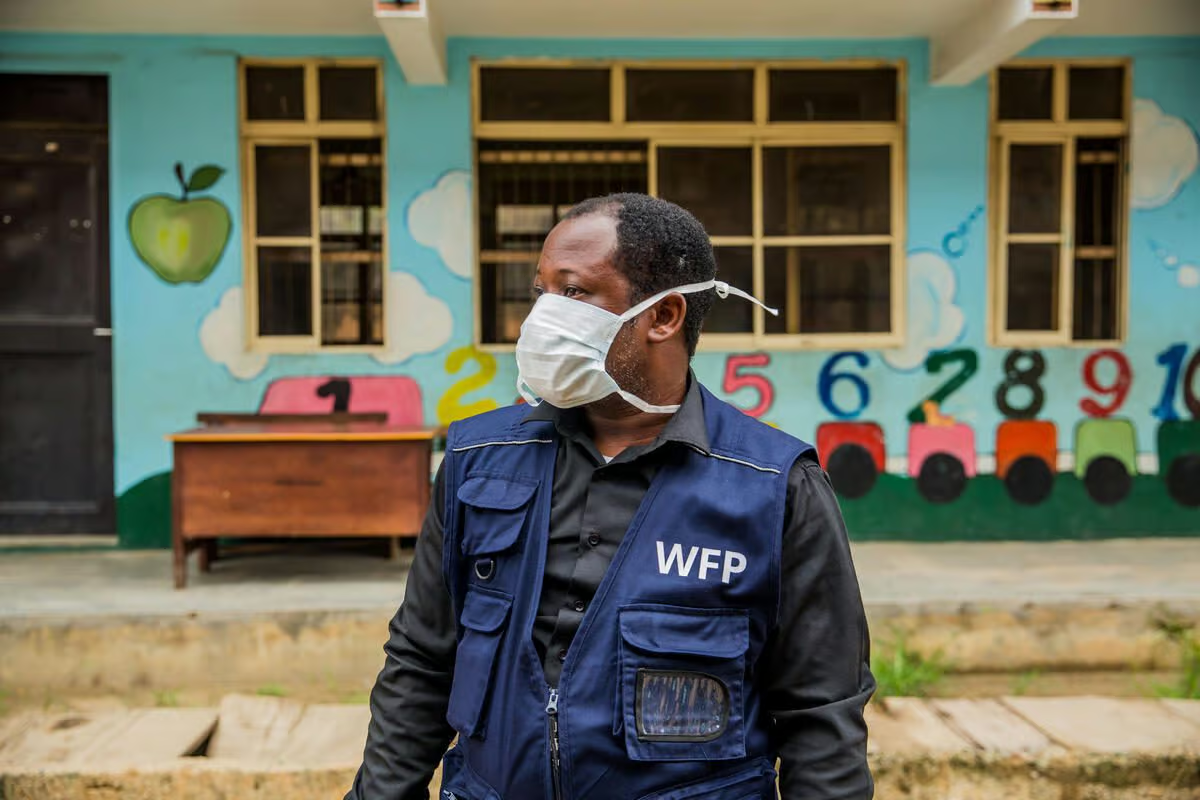
When the COVID-19 pandemic began, the RTM system was a critical information source for WFP and governments by offering insights into the pandemic’s impact on food security.
WFP USA: How have big data and automation, introduced in 2019, advanced WFP’s real-time food security monitoring?
KK: The integration of automation and big data has revolutionized the RTM system. Processing thousands of surveys daily has been a game-changer, enabling daily, comprehensive national food security assessments. This advancement has not only boosted efficiency but also tackled challenges in data collection timeliness and scale, leading to more focused and effective responses.
WFP USA: Tell us about HungerMapLIVE and the role of AI “nowcasting” in expanding WFP’s RTM coverage to over 80 countries.
KK: HungerMapLIVE is a key element in our mission to make real-time data widely accessible. It has developed into a comprehensive suite, integrating essential tools like the Global Food Crisis Dashboard and daily Insights & Key Trends reports. It offers a real-time, integrated view of crucial food security metrics, with daily reports providing actionable insights. The Global Food Crisis Dashboard consolidates critical information in a single platform, aiding decision-makers in taking effective, efficient, and timely actions. AI nowcasting, with its advanced methodologies, estimates hunger levels in areas where daily surveys are cost prohibitive, playing a crucial role in WFP’s expanded RTM coverage.
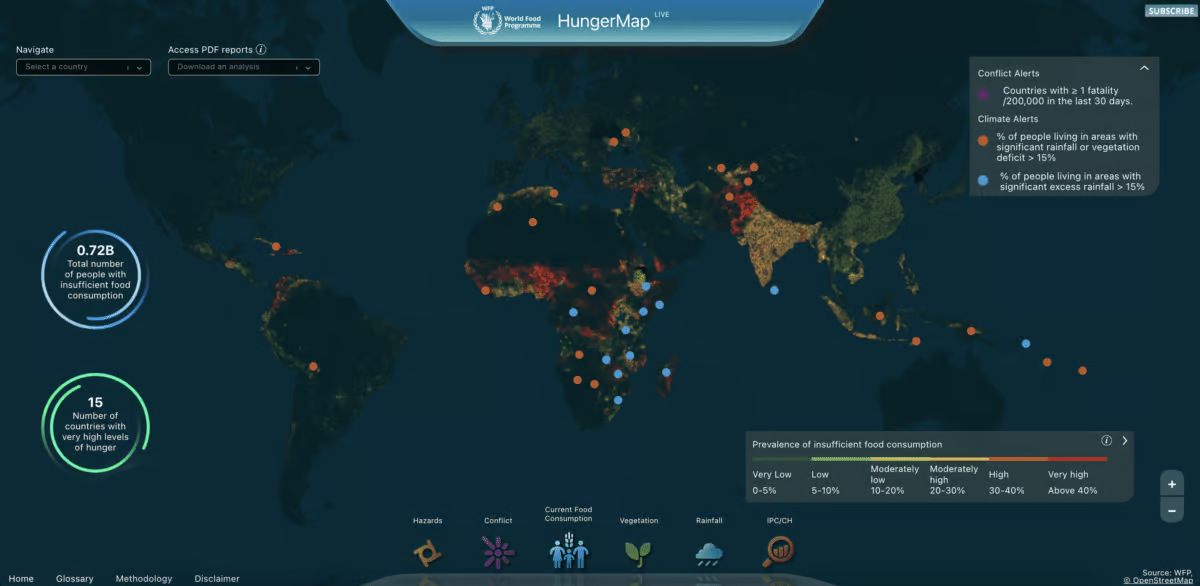
HungerMap Live merges data from WFP’s existing monitoring systems with publicly available data streams on population size, weather, conflict, crops, nutrition and much more.
WFP USA: Looking forward, WFP is testing a machine learning tool to predict hunger trends up to 60 days in advance. Could you discuss its potential impact?
KK: Our machine learning initiative is groundbreaking. By predicting food security trends up to 60 days ahead, we aim to proactively address hunger-related challenges. This innovative approach establishes the groundwork for a global, data-driven early warning system designed to anticipate and detect deteriorations in food security. It will provide advance warnings, enabling timely and targeted response and helping save lives, livelihoods, and scarce financial resources.
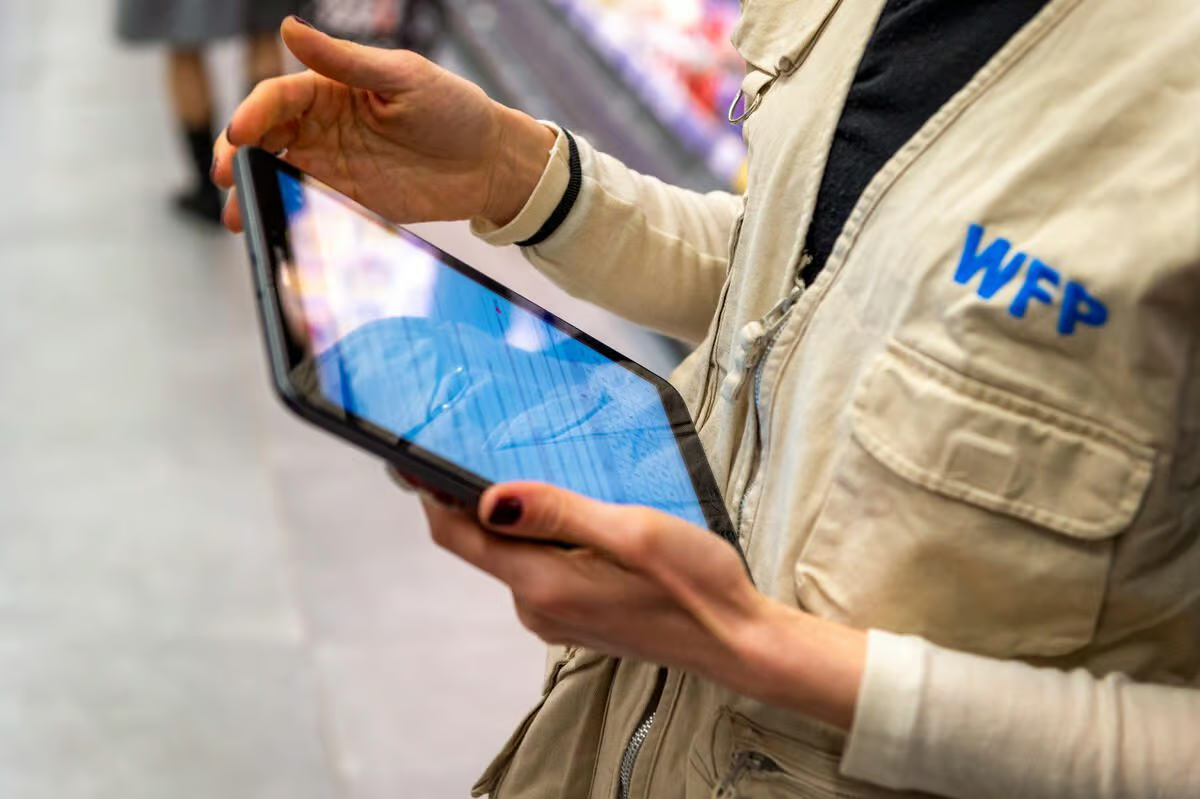
Technologies and innovation help drive WFP’s work to achieve zero hunger by 2030.
WFP USA: As WFP celebrates a decade of innovation with the RTM initiative, what is your vision for the future of real-time monitoring in addressing global hunger, and what role do you foresee for technology in humanitarian efforts?
KK: Our vision is ambitious. We plan to further refine and expand real-time monitoring, making it even more responsive and globally inclusive. Technology will remain crucial, with advancements in AI, machine learning, and data analytics playing a central role. We envision a future where real-time monitoring is a standard, integral part of humanitarian efforts.