World Food Program USA’s Fall 2023 Impact Report provides a snapshot of the global hunger crisis and how the United Nations World Food Programme (WFP) continues to respond. The report summarizes key events from May – September, including ongoing emergency response efforts in Sudan, and highlights the impact of WFP programs.
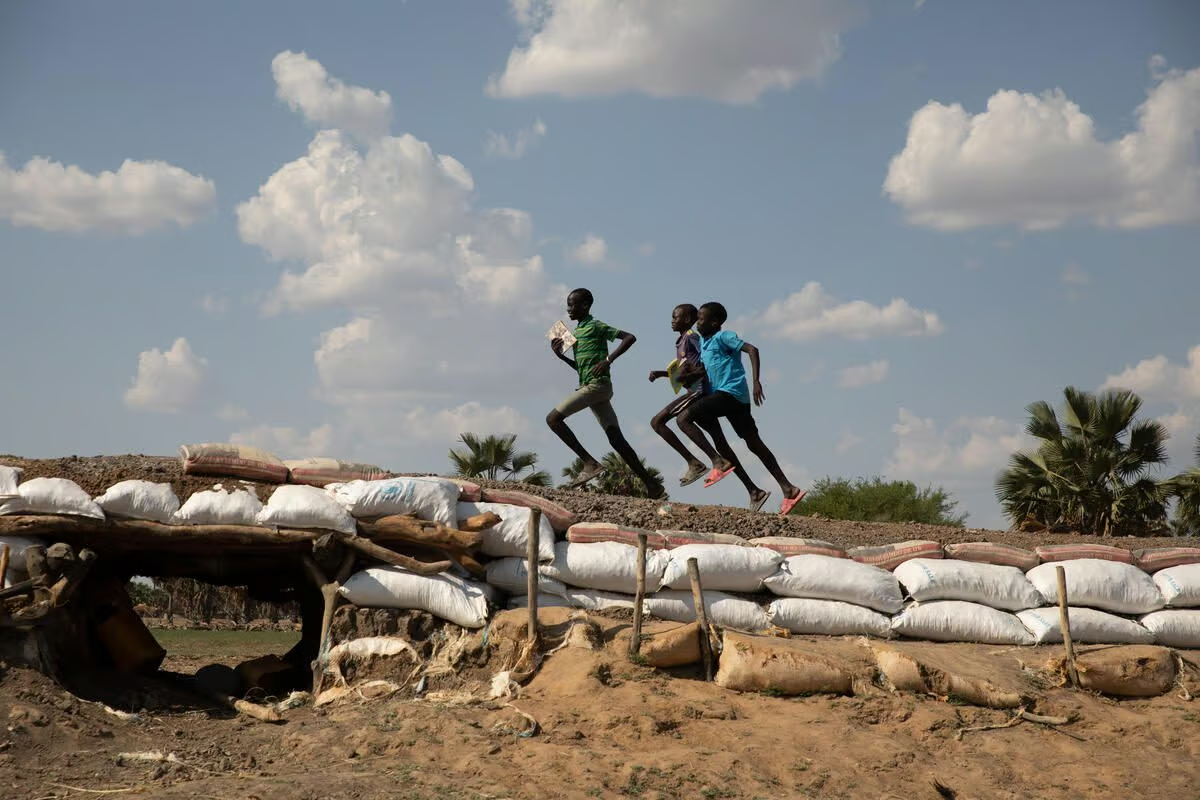
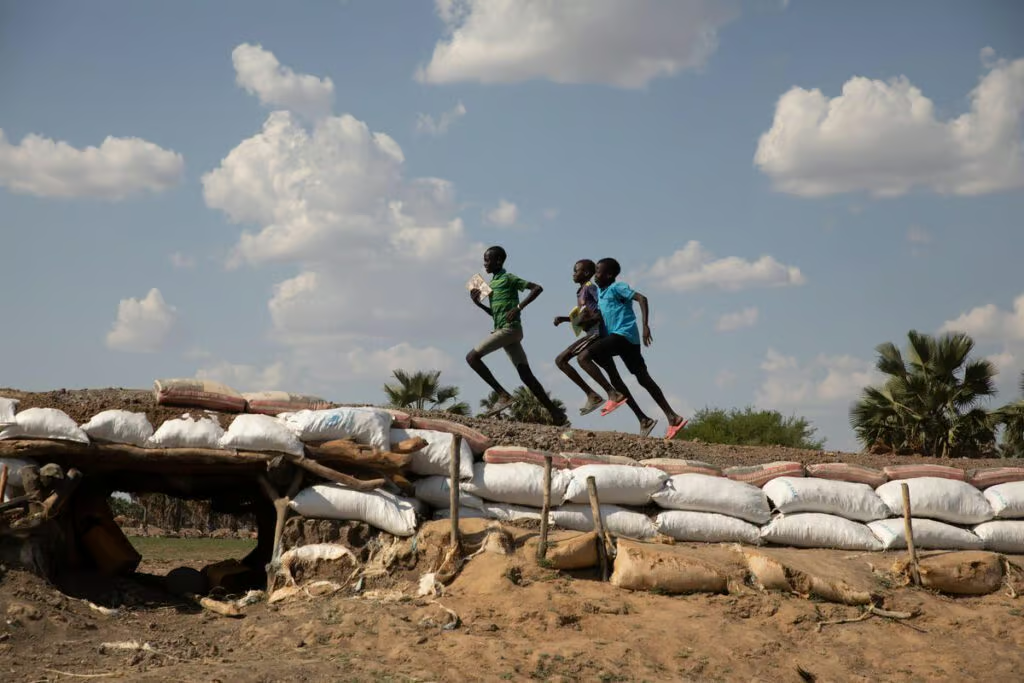
In South Sudan, children run over a road dike that was built by their community with assistance from WFP and partners.
The State of Global Hunger
Today, more people than ever before are experiencing severe hunger. WFP estimates that more than 345 million people are facing severe hunger. This is an increase of almost 200 million people compared to early 2020, before the COVID-19 pandemic. This year, at least 129,000 people are expected to experience famine-like conditions in Burkina Faso, Mali, Somalia and South Sudan.

Sudanese refugees arrive at a refugee camp in Goz Beida, Chad.
Emergency Response Efforts in Sudan
In April, conflict erupted in Sudan and the humanitarian situation quickly deteriorated. This conflict has only exacerbated the country’s ongoing hunger crisis with over 20 million people facing severe hunger. The conflict has also had a devastating impact on the economy of Sudan. Prices of food and other essential commodities have skyrocketed, making it even harder for people to afford to eat.
Insecurity and access constraints make it extremely challenging for humanitarian organizations to deliver assistance to those in need. To date, WFP has provided 1.5 million people with emergency food assistance inside Sudan. WFP is also scaling up its response in neighboring countries including Chad, Ethiopia, Egypt and South Sudan and has delivered assistance to over 600,000 people who have fled beyond Sudan’s borders.
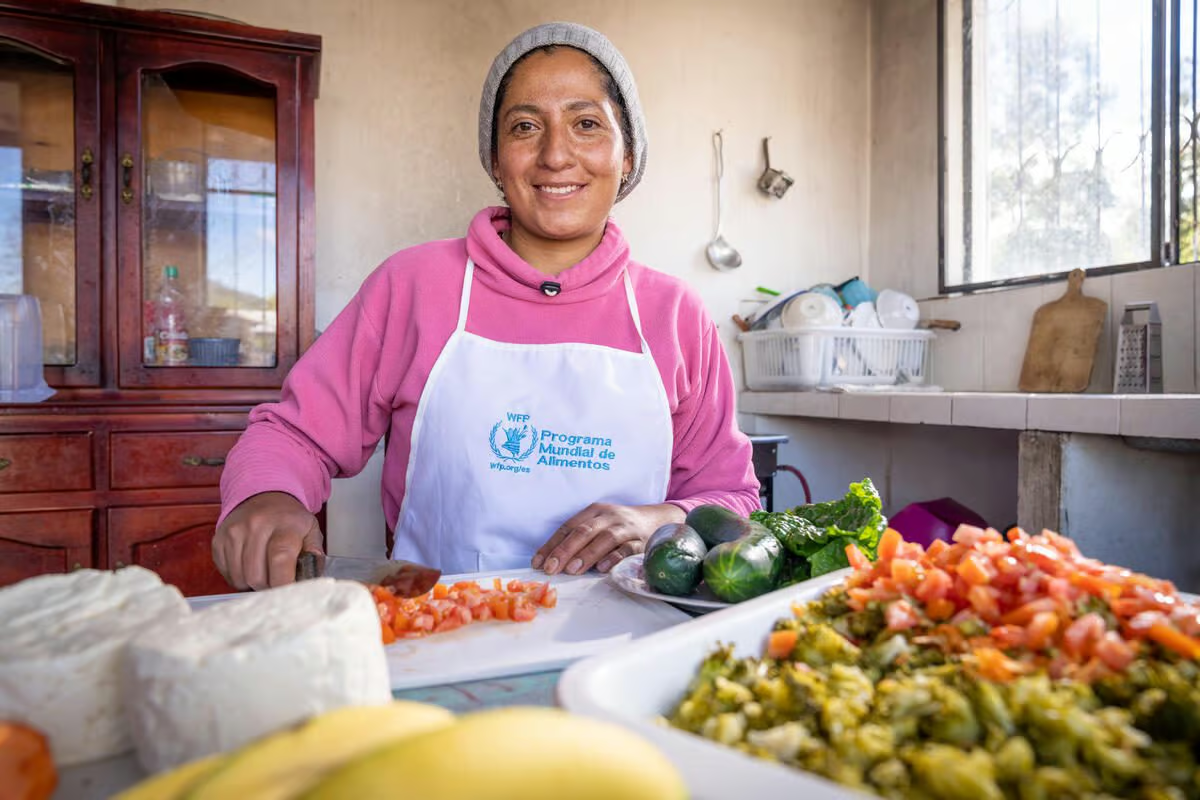
In Ecuador, Miriam Katheryn Revelo Castro prepares healthy, hot meals for children at the Montúfar School.
School Meals Ensure Children Have Access to Education and Food
WFP is the world’s largest provider of school meals and knows that for many children, a school meal may be the only food they eat each day. In 2022, WFP directly provided school meals to 20 million children in 59 countries, improving their access to nutrition and education. School meals programs can be one of the most impactful interventions to support children’s health and education. Studies have linked school meals to increased school enrollment and attendance, especially for girls.
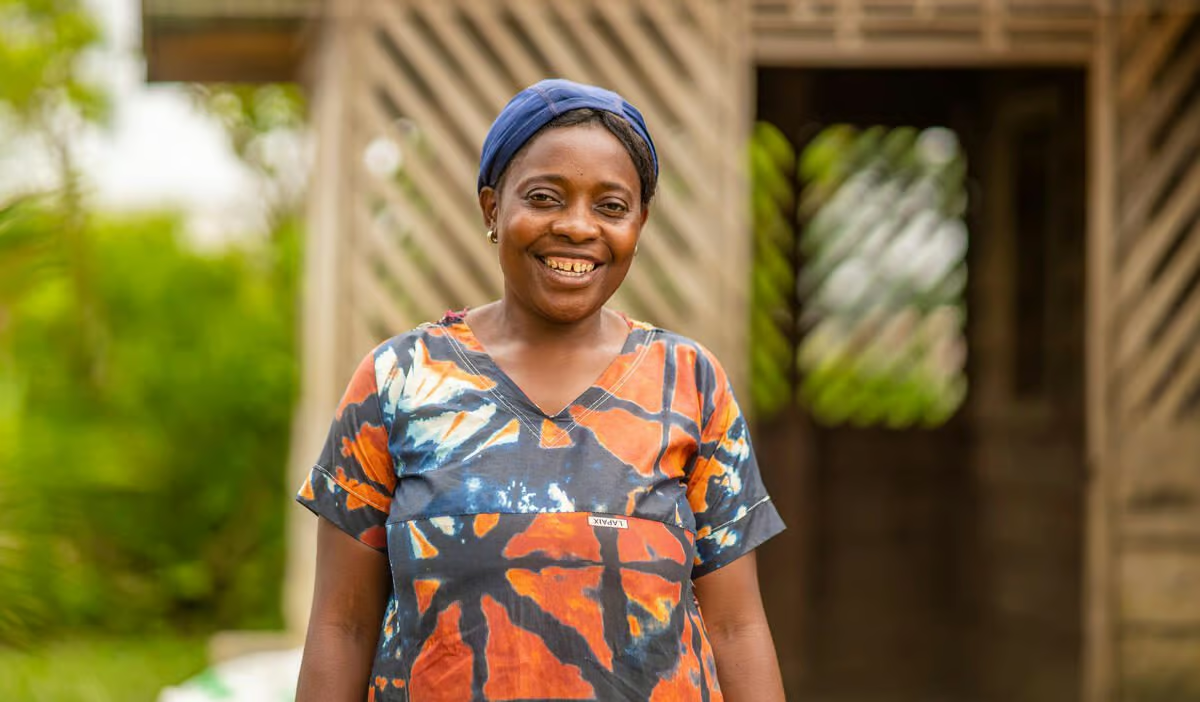
In the Democratic Republic of the Congo, WFP provides women like Brigitte with access to training and funding so they can launch their own businesses.
WFP Provides Women in Conflict Zones with Economic Opportunities
Conflict is the leading cause of hunger. For those that live in conflict zones, access to employment opportunities is often limited due to violence and insecurity, displacement, loss of land and damage to infrastructure. Women are disproportionately affected by conflict and often must take on additional work to provide for their families. However, when women are employed, they become more involved in decision-making processes within their homes and communities.
To help women achieve their economic potential, WFP provides women with business and skills training, access to loans and other financial services, and connects them to markets for their products and services.