
World Food Program USA’s 2025 Statement of Impact highlights the growing global hunger crisis and how the World Food Programme (WFP) responded throughout the year to deliver lifesaving assistance in some of the world’s most fragile contexts.
In 2025, 318 million people experienced extreme hunger, more than double pre-pandemic levels. Conflict, climate shocks and economic instability pushed millions of families into hunger crises. At the same time, severe funding shortfalls forced WFP to make difficult decisions, including cutting rations and scaling back programs to prioritize those most in need. Despite these challenges, WFP reached more than 100 million people worldwide in 2025.
Conflict Drove Unprecedented Need
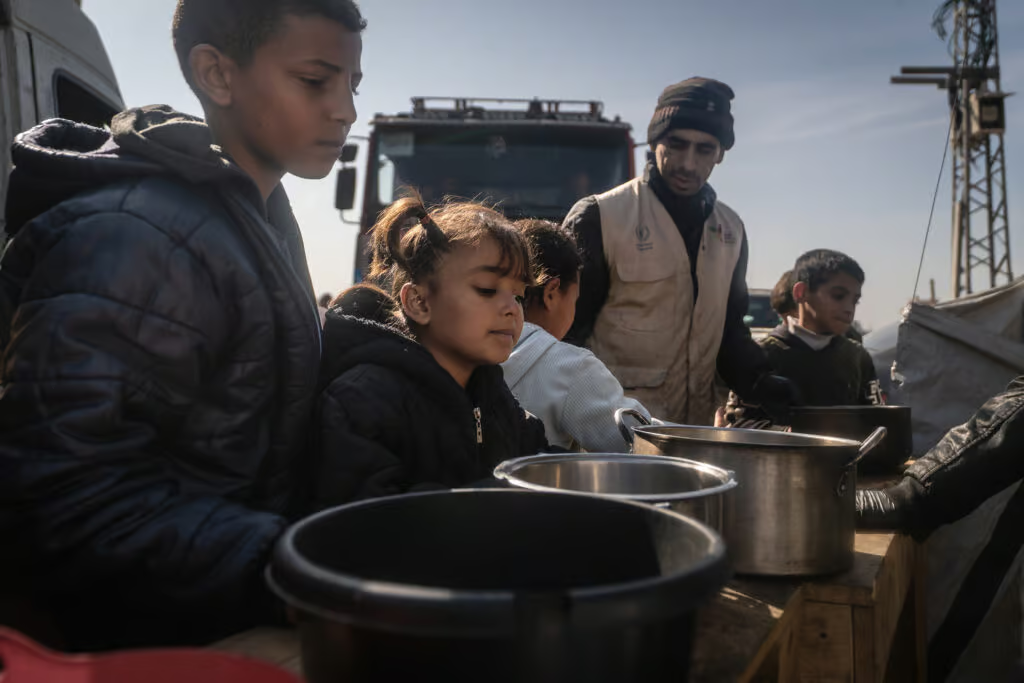
For the first time this century, two famines happened at the same time in 2025. In Sudan, ongoing violence and access restrictions pushed communities in El Fasher and Kadugli into famine conditions. Millions of people were displaced internally and across borders into Chad, South Sudan and the Central African Republic. In Gaza, the October ceasefire allowed a massive scale-up of humanitarian assistance that offset famine conditions, though the situation remains extremely fragile today.
Despite insecurity and access constraints in both regions, WFP delivered on its mandate to save lives. In Sudan, WFP supported more than 4 million people each month and reversed famine conditions in nine areas through consistent food, cash and nutrition assistance. In Gaza, WFP reached more than 1 million people with emergency food packages, helped bakeries to reopen and distribute over 150,000 bundles of bread daily and distributed digital cash assistance to nearly 200,000 people in October alone.
Climate Shocks Accelerated Hunger
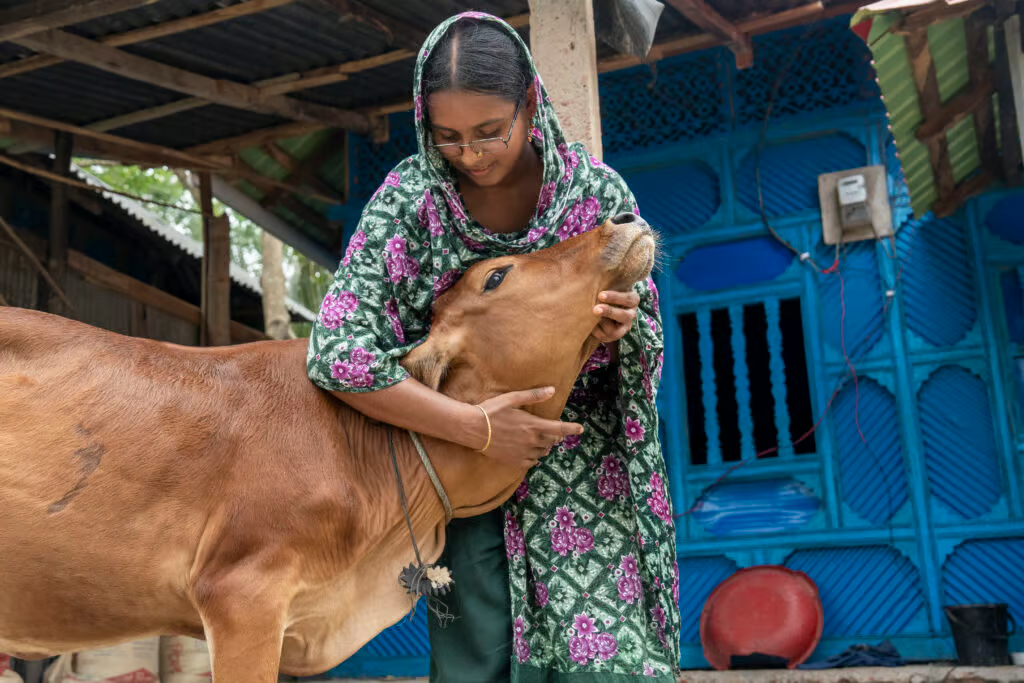
Extreme weather events intensified hunger crises in 2025. Early monsoon flooding in Bangladesh, devastating floods in Nigeria and Hurricane Melissa in the Caribbean wiped out homes, crops, and livelihoods, often in communities already facing extreme food insecurity. Ahead of each disaster, WFP acted early to inform and protect communities.
Before Hurricane Melissa struck, WFP sent early warning messages, pre-positioned emergency food stocks in critical locations and provided cash distributions to families in the storm’s path. The cash allowed people to buy food, protect their belongings and evacuate as needed. After the storm, WFP supported more than half a million people in Jamaica, Cuba and Haiti with food, cash and logistics support, helping to meet immediate needs and stabilize local markets.
WFP Invested in Children’s Futures
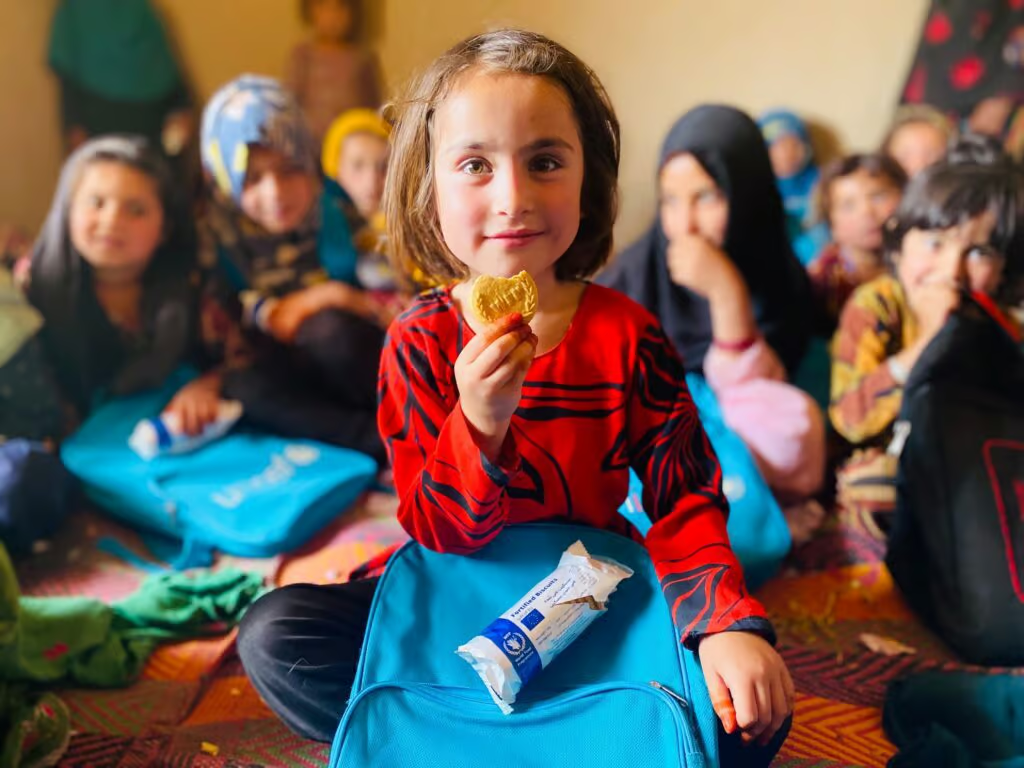
WFP remains the world’s largest provider of school meals, reaching more than 20 million children in crisis-hit countries every year. These meals protect children’s education, health and long-term growth.
In the fall, WFP faced a critical funding shortfall for its school meals program in Afghanistan. In response, World Food Program USA granted $3.9 million from its Emergency Hunger Relief Fund to supply fortified biscuits for 590,000 students through the end of 2025. Packed with protein and vitamins like iron, calcium and magnesium, these fortified biscuits ensure children stay nourished and focused throughout the day. Three factories across Afghanistan produce the biscuits using locally sourced ingredients, strengthening the local economy.
Your Support Makes a Lifesaving Difference
As WFP looks toward 2026 with a goal to reach 110 million people, the need for sustained support has never been clearer. Together, we can keep delivering on the shared vision of a world without hunger.
Read the full 2025 Statement of Impact to learn more about WFP’s work around the globe.