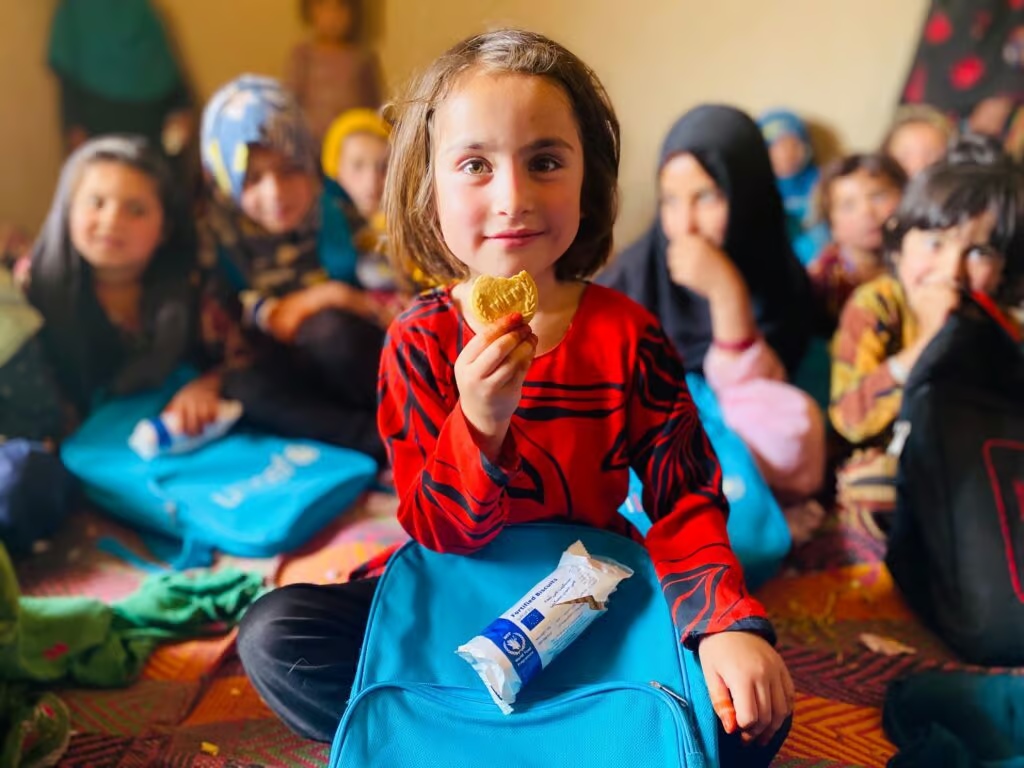
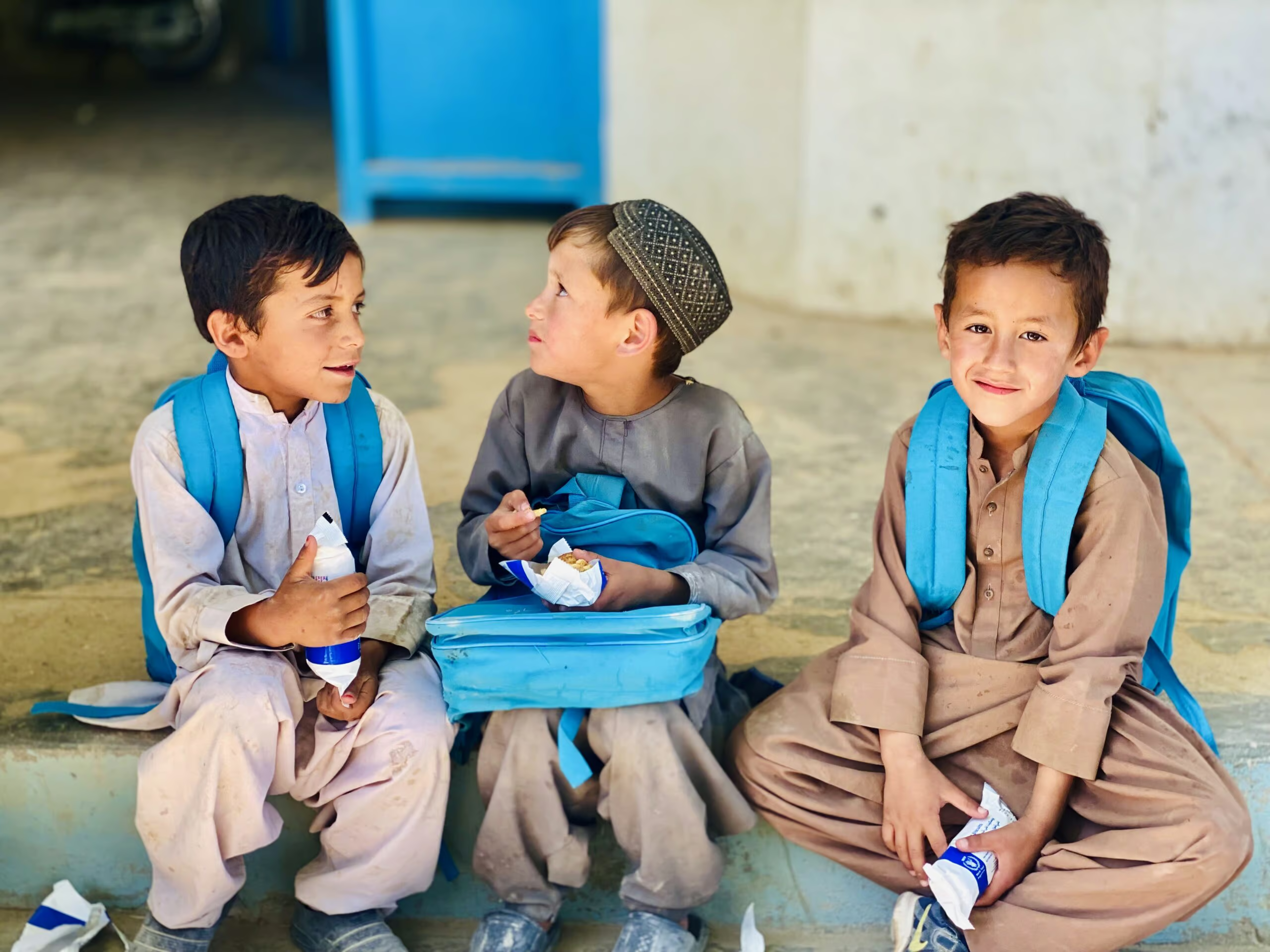
This fall, the World Food Programme (WFP) faced a critical funding shortfall for its school meals program in Afghanistan. Without immediate funds, children would be left without food just as winter conditions set in. Thanks to our generous supporters, World Food Program USA granted $3.9 million from our Emergency Hunger Relief Fund to provide fortified biscuits for 590,000 schoolchildren through the end of 2025. To learn more about the impact of our grant amidst rising hunger in Afghanistan, we spoke with WFP Country Director John Aylieff.
WFP USA: How do school meals support children’s nutrition and education, especially in Afghanistan?
JA: For many children in Afghanistan, going to school is a challenge. Hunger makes it even harder. Imagine trying to focus on lessons while your stomach is empty — concentration fades, energy drops and learning becomes nearly impossible.
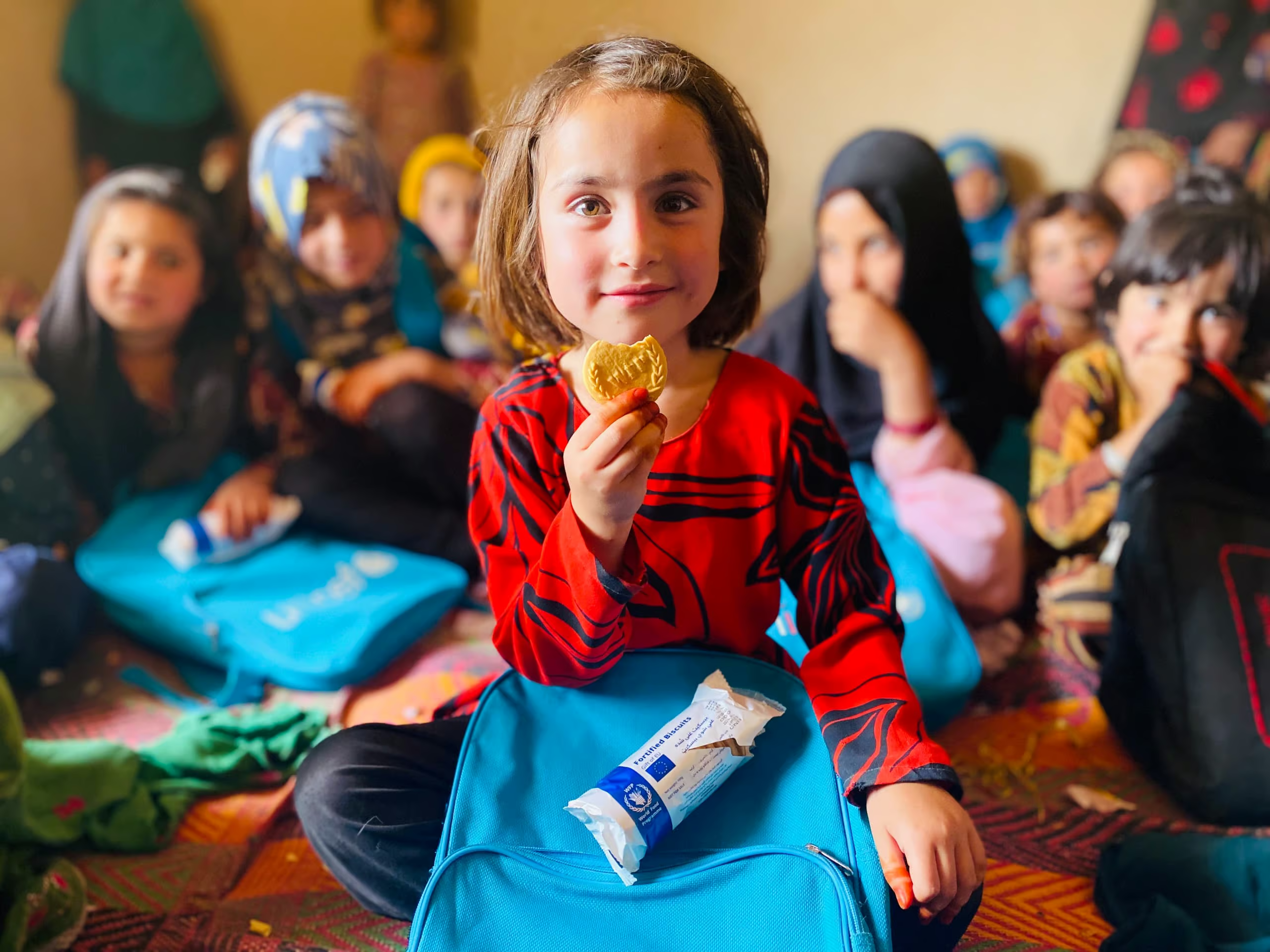
World Food Program USA’s support for school meals in Afghanistan means over half a million children will have fortified biscuits at school. The biscuits are a quick, delicious snack packed with protein, iron, calcium and magnesium – bringing a boost of essential nutrients that are vital to children’s overall well-being.
Three factories across the country produce these fortified biscuits using locally sourced ingredients. This ensures the biscuits not only nourish Afghan children and support their education but also strengthen the local economy.

WFP USA: What are the immediate and long-term impacts of our grant on WFP’s school meals program in Afghanistan?
JA: Your grant arrived at a pivotal moment, just as the school meals program was running out of funding. Without this support, school meals would have been interrupted, risking not only children’s health but also their education. Experience shows that when meals stop, many children — particularly girls — drop out of school or are kept at home. It is extremely difficult to bring them back once attendance is broken, especially in a place where higher education is restricted for them.
By filling this urgent funding gap, World Food Program USA’s support ensured continuity of the program, preventing a break in school meals and safeguarding both nutrition and learning for hundreds of thousands of children. In the long run, this grant makes it possible to sustain school attendance, protect girls’ education and strengthen the foundation for healthier, more resilient communities in Afghanistan.
WFP USA: What is the current state of hunger in Afghanistan?
JA: Hunger in Afghanistan is worsening at an alarming pace, with food insecurity and malnutrition spreading across the country. Afghanistan remains one of the world’s most severe hunger crises.
The situation for children is especially dire: The country ranks fourth globally for child acute malnutrition. Rates of malnutrition among women and children in Afghanistan are expected to reach unprecedented levels by 2026, with millions affected as access to treatment continues to shrink. Untreated malnutrition leads to sharp spikes in mortality during the harsh winter months when food is scarce and access to care is restricted.
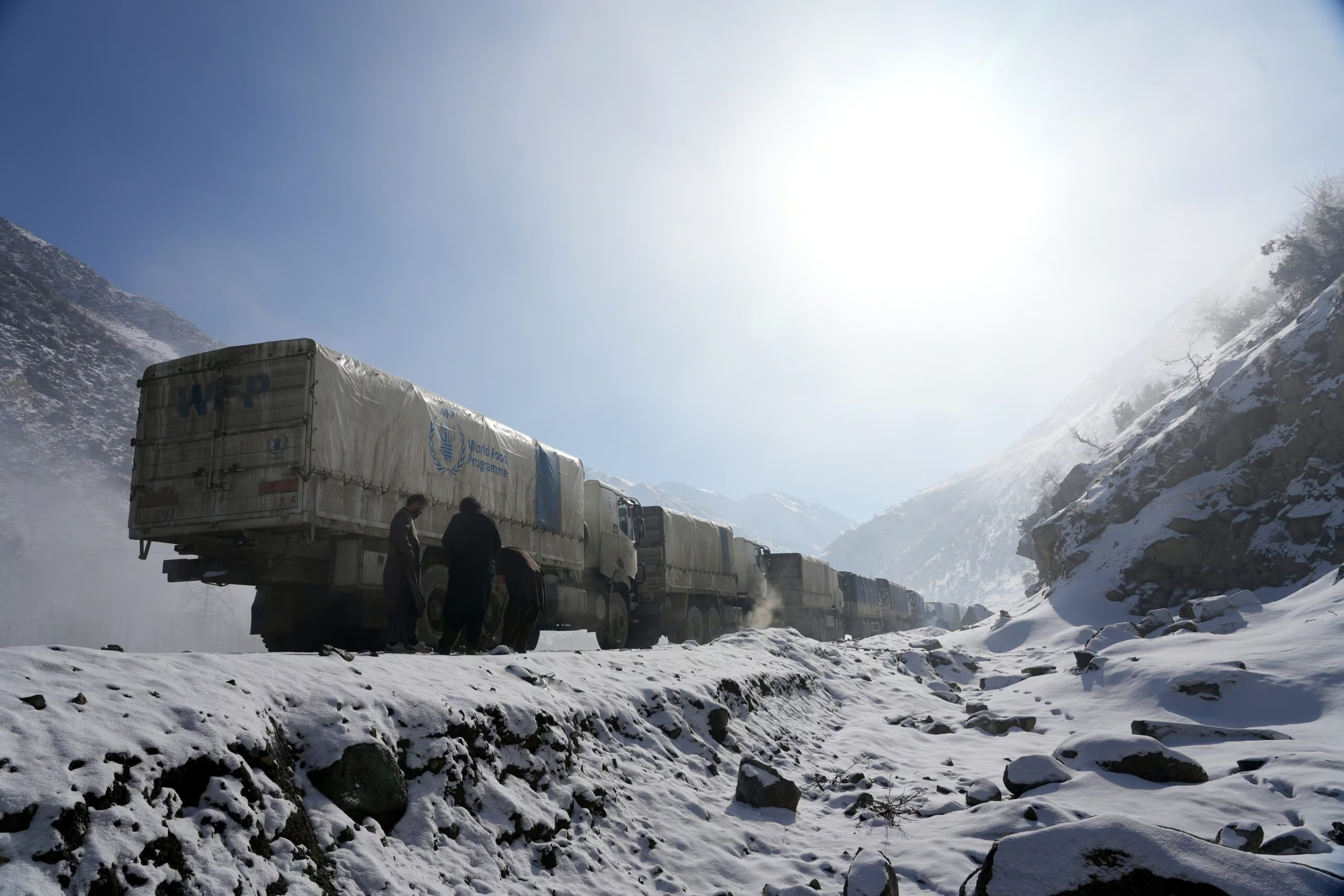
Afghanistan faces mounting pressures — persistent drought, forced returns from Pakistan and Iran, earthquakes and shrinking aid are converging to fuel a harsh, unforgiving winter. All signs point to a brutal season ahead.
WFP USA: How are funding shortfalls impacting WFP’s work in Afghanistan?
JA: The funding shortfall has had a devastating impact on WFP’s operations in Afghanistan. Traditionally, we are able to scale up emergency and nutrition assistance across the country during the harshest winter months. This year, for the first time in decades, WFP cannot launch a significant winter response — leaving millions of people without the lifeline that has historically curbed hunger and malnutrition.
What this means for families is stark: Those who once relied on WFP’s support can no longer take their meals for granted. Many are already skipping meals, surviving on tea and bread or turning to drastic measures such as selling their daughters into early marriage. As humanitarian aid shrinks, malnutrition is rising dangerously, especially among women and children.
This catastrophe is preventable. With immediate humanitarian support, lives can be protected, and hunger can be stopped from escalating further.
WFP USA: How can partners and individual donors support WFP’s efforts?
JA: The private sector has a critical role to play in strengthening food and nutrition security in Afghanistan. Whether through funding, technical expertise or partnerships, private sector engagement can be a true game changer in helping WFP reach families and children at scale. Recent examples show the transformative impact of this support. World Food Program USA’s contribution of $3.9 million toward fortified biscuits provided over half a million schoolchildren with nutritious snacks that improve both learning and health.
~
Afghanistan remains one of the world’s most severe hunger crises with 1 in 3 Afghans – 17.4 million people – in urgent need of food assistance. This is up from 14.8 million last year. Aid cuts have caused acute malnutrition to surge to the highest levels ever recorded in the country. As hunger skyrockets, funding for WFP’s work in Afghanistan is drying up. With current resources, WFP can only reach up to 2.2 million people this winter.
Millions of people in places like Afghanistan are counting on WFP. To learn more about the impact of funding cuts and how you can make a difference through our Emergency Hunger Relief Fund, visit wfpusa.org/get-involved/campaigns/funding-shortfall/.