To End Hunger, Empower Women
“The gender disparity of hunger is unacceptable.” WFP USA’s CEO Rick Leach explains how empowering women is the solution to ending hunger worldwide.

“The gender disparity of hunger is unacceptable.” WFP USA’s CEO Rick Leach explains how empowering women is the solution to ending hunger worldwide.

From nursing and tending chickens to farming and feeding 18 million school kids. Meet six women from Guatemala to Yemen who are fighting to end extreme poverty and hunger.

Children form the future human capital of a nation, and school feeding programs provide a key support in building the foundations.

3 women, 3 very different stories, 1 training program—giving vulnerable young people a voice.

On International Women’s Day, World Food Program USA is proud to announce our recipients of the Spring 2018 Catherine Bertini Trust Fund awards—Starfish and the International Institute of Rural Reconstruction.

Giving Rohingya women control of food assistance cash entitlements helps them enhance their social role and feed their families better

Kawinzi Muiu, who grew up studying African writers like Chinua Achebe alongside stanzas from Shakespeare’s Romeo and Juliet, learned the importance of education and equal opportunities from her mother.

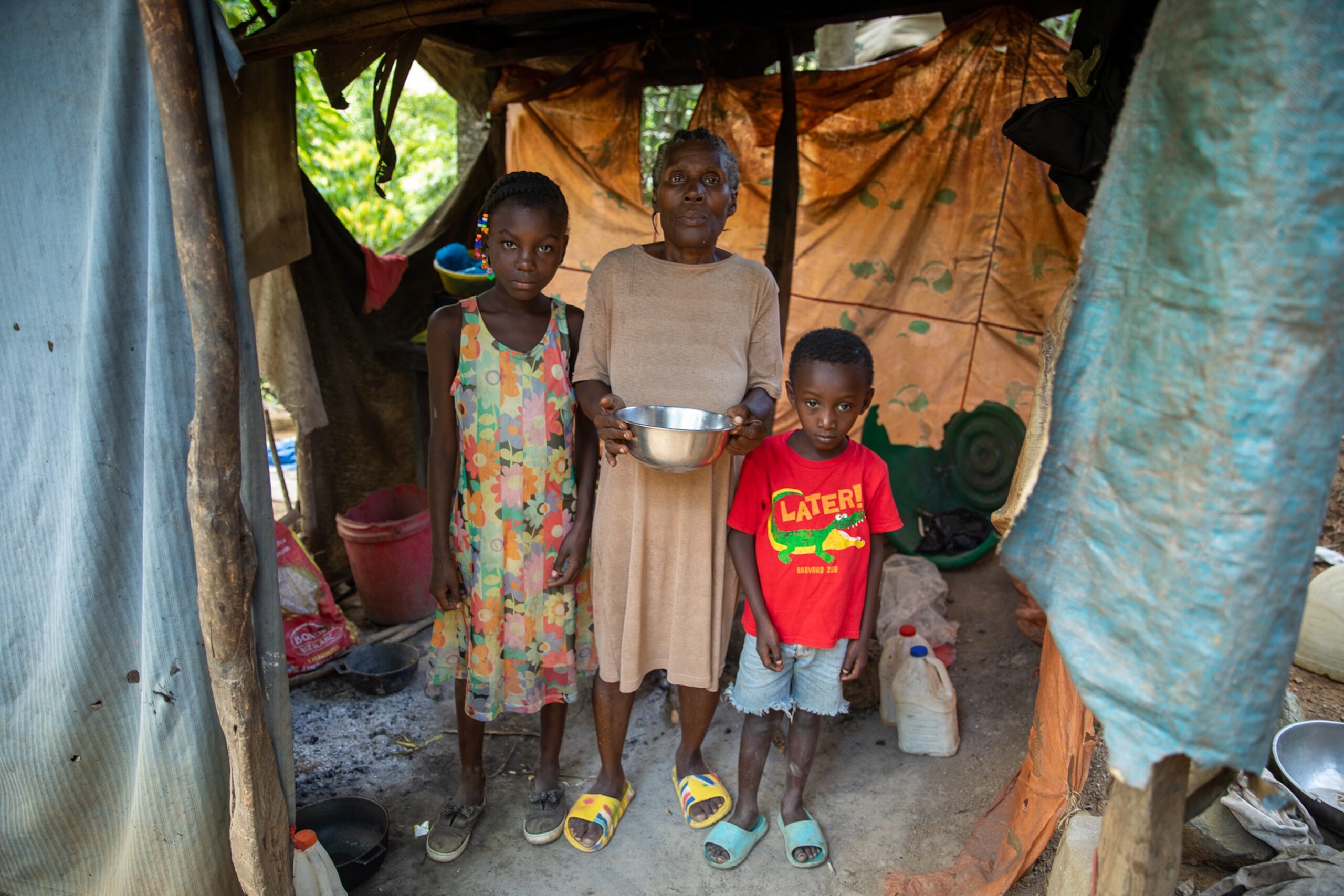
“I’ve seen first hand the need. The sense of desperation in a mother’s eyes as she holds her hungry child,” says Aguilera. “The meals that these children get might be the only food they eat all day.”

For young children, good nutrition enables the body to grow and develop to its full potential. Studies show that well-nourished children are more likely to succeed in the classroom and earn higher wages as adults than their malnourished peers.

As part of The Catherine Bertini Trust Fund for Girls’ Education, WFP USA is supporting the organization’s Kitenga Village Project in Tanzania. The heart of the project is the Kitenga School for Girls, which is slated to open in January 2015.