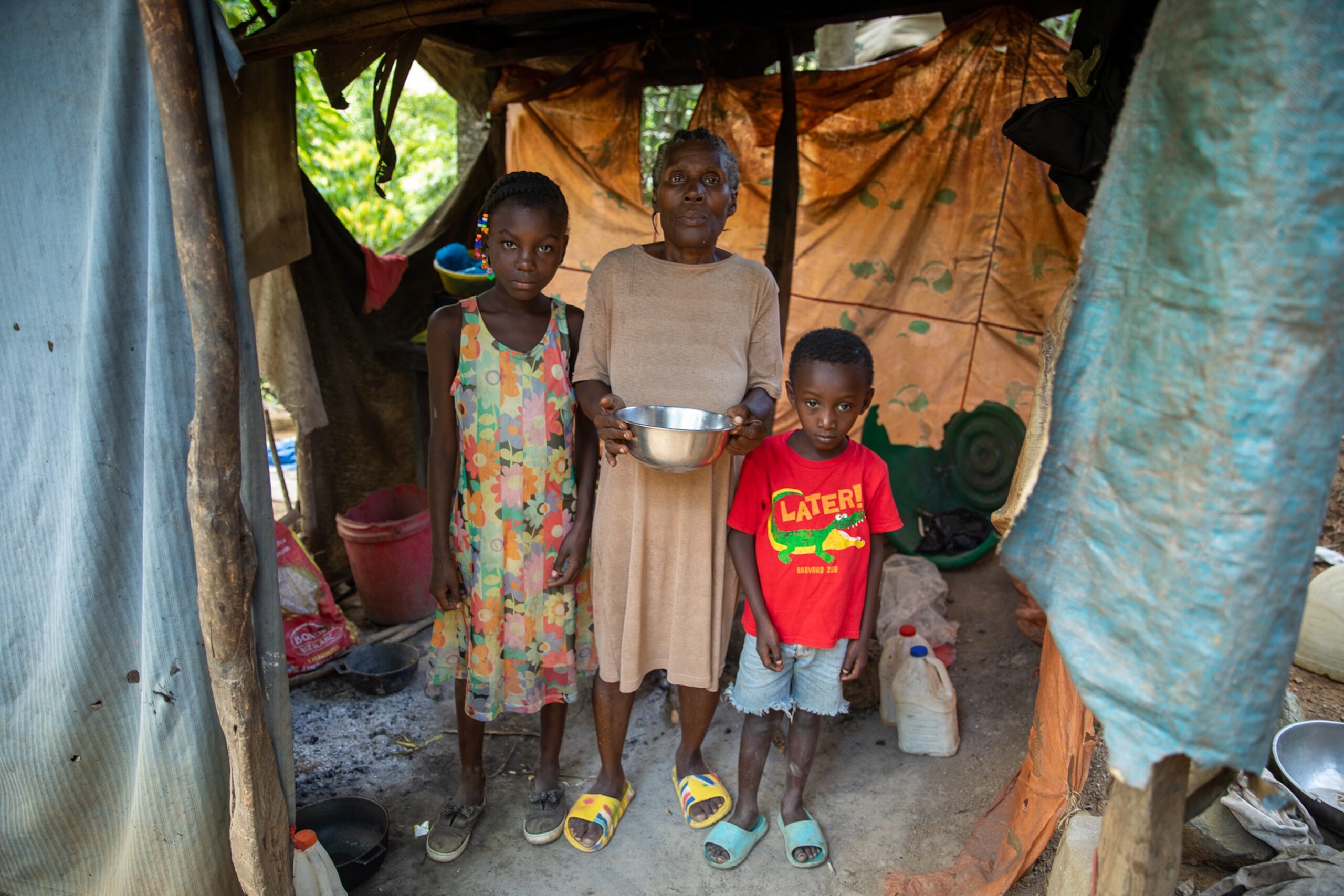
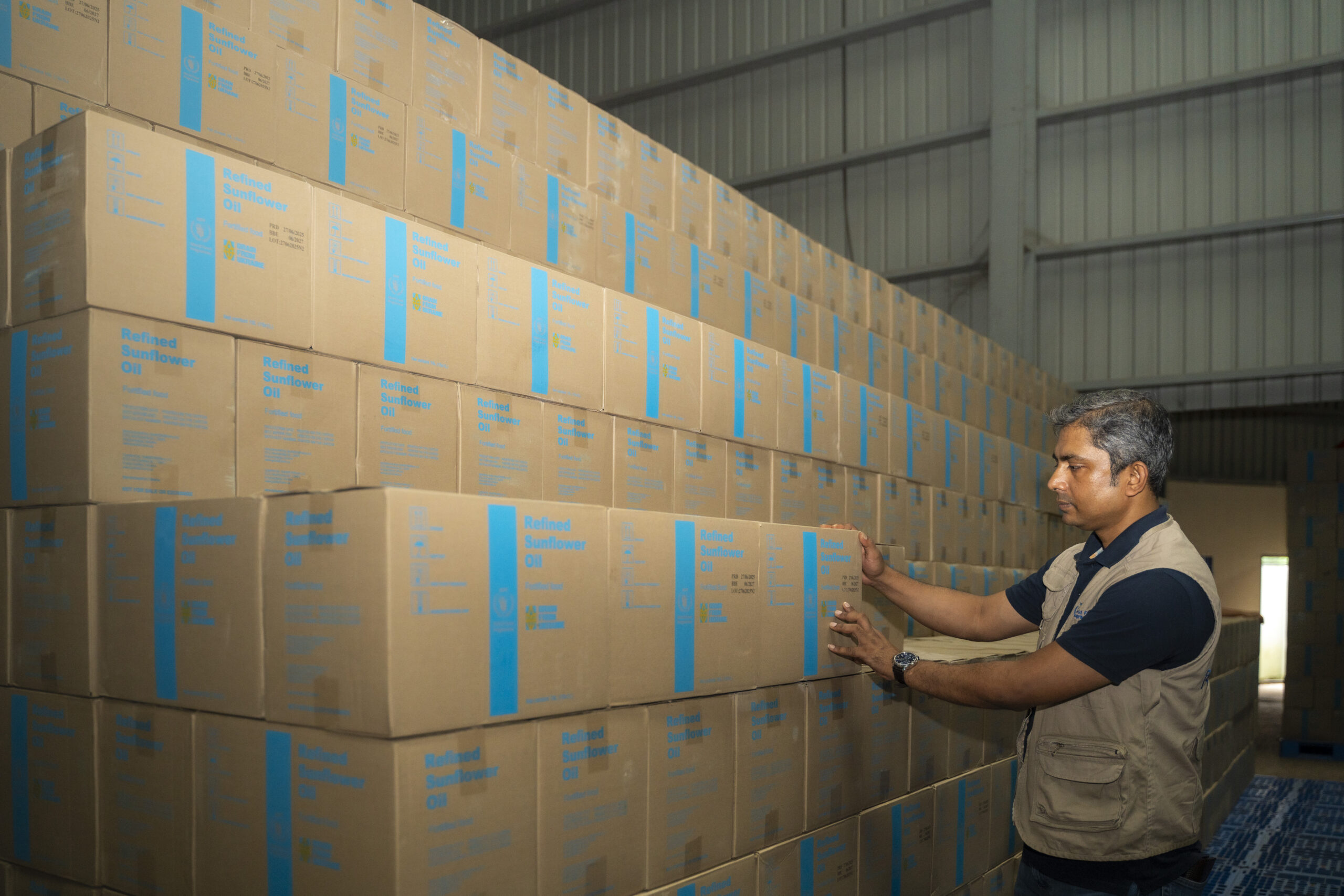
WFP’s Rapid Response, Explained
WFP and UNICEF designed the simple yet innovative Integrated Rapid Response Mechanism (RRM) to deliver urgently needed supplies to families in hard-to-reach areas.

WFP and UNICEF designed the simple yet innovative Integrated Rapid Response Mechanism (RRM) to deliver urgently needed supplies to families in hard-to-reach areas.

Because of funding shortfalls, we’re forced to make impossible choices about who receives food in Yemen. But you can help.

WFP Executive Director Ertharin Cousins urges us to keep our eyes on Syria, because hundreds of thousands of inaccessible civilians are still shut off from humanitarian assistance.
WFP Successfully Reached The “Four Towns” In Syria This
Haiti is ranked sixth on the list of countries most vulnerable to climate change. Here are five measures WFP is taking to be prepared with an immediate response in case of future disasters.

Some 2.3 million people in Central America will need food assistance because of significant crop losses due to prolonged drought exacerbated by the current El Niño event.

A panel of experts specializing in international affairs, humanitarian aid, development and security came together to propose fresh perspectives and solutions.
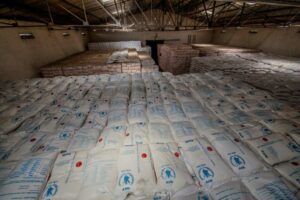
Asia Bahar works as a Tally Assistant for WFP’s office in Aghanistan. Below, she explains what her job involves and why logistics expertise is so crucial to WFP’s mission.

Hunger exists not because there isn’t enough food to go around—the problem is a lack of access. Without the means to grow or purchase food, people in communities across the globe are stuck in a cycle of poverty and hunger.

“We are reaching more people every day with urgently needed food assistance – many of them have been going hungry for months.”