One Million People in Gaza Receive WFP Food Boxes but More Crossings Needed for Continued Scale-Up
Three weeks into the ceasefire, WFP has distributed food packages to 1 million people in the Gaza Strip to push back hunger in the territory.

Three weeks into the ceasefire, WFP has distributed food packages to 1 million people in the Gaza Strip to push back hunger in the territory.
WFP has worked on the frontlines of the world’s most challenging emergencies. So why has delivering food into Gaza been so difficult?
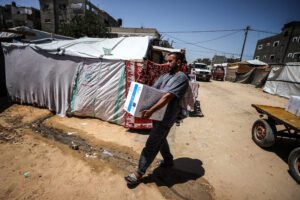
As food distributions start up after the ceasefire, WFP is providing assistance to families across Gaza through its distribution system.

WFP has begun scaling up its operations in Gaza, as the ceasefire paves the way for humanitarian agencies to reach vulnerable populations that have been cut off from vital aid in the war-torn territory.

One month since a powerful 6.0 magnitude earthquake struck eastern Afghanistan on August 31, the World Food Programme continues to rapidly deliver food assistance to affected communities and support logistics for the broader humanitarian response.
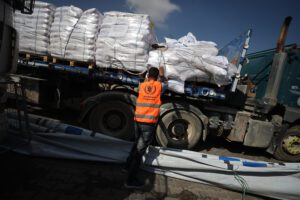
The World Food Programme (WFP) continues to deliver lifesaving food assistance inside Gaza as the fear of starvation intensifies.
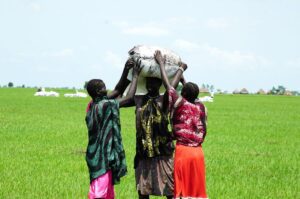
WFP began airdropping emergency food assistance to thousands of families in South Sudan’s Upper Nile state, where surging conflict has pushed some communities to the brink of famine.

WFP continues to call for better operating conditions so that food can reach families consistently, fairly, and safely – wherever they are across the Gaza Strip.

Janvier Muhima, head of WFP’s office in Port-au-Prince, shares the challenges they face delivering food amidst the violent conflict in Haiti.

Kansan farmers like Doug Keesling are among a raft of American growers powering the World Food Programme’s operations and saving lives around the world.