Schools, Health and Nutrition — Why Coronavirus Demands a Rethink of Education
Carmen Burbano, Director of School Feeding at the World Food Programme, says we must rethink the entire education system or risk a “generational catastrophe.”

Carmen Burbano, Director of School Feeding at the World Food Programme, says we must rethink the entire education system or risk a “generational catastrophe.”

For the Barrett siblings, fighting global hunger has always been a family commitment. In 2008, their mother introduced them to WFP, and they’ve been working hard to end hunger ever since.
The U.N. World Food Programme is the sole UN agency in Egypt that provides food security to the most vulnerable populations, making this investment all the more crucial.
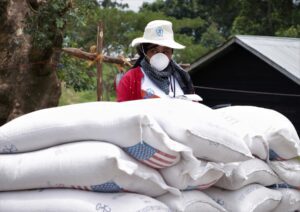
We need another $172 million over the next six months to keep millions of kids and families from starving in the face of violent conflict and displacement.
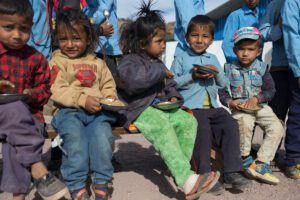
More than 2 million kids in Nepal have been missing out on the nutritious lunches they used to receive at school during the coronavirus shutdowns – the only meals many of them could count on.
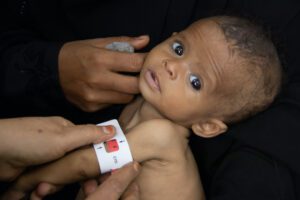
There is no time to wait. The choices we make today will determine millions of children’s futures for months, years and decades to come.
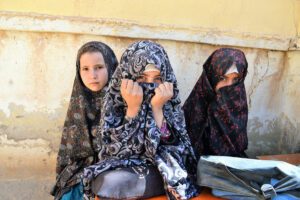
WFP plans to reach a total of 10.3 million Afghan people in 2020, giving $79 to each family to cover their food needs for two months at a time.

Zimbabwean families are eating less, selling their belongings and going into debt to buy food. Without our help, millions will face increasingly ravaging hunger.
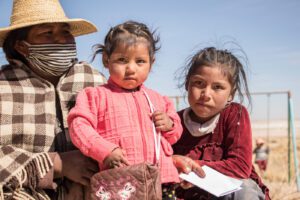
Latin America is facing a perfect storm of inequality, struggling economies, political unrest, hurricane season and the pandemic. Without immediate action, hunger could rise by nearly 300 percent.
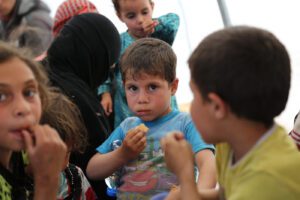
The $6.25 million will help provide food to nearly 80,000 internally displaced Iraqis and 22,000 Syrian refugees, whose needs have grown as a result of the global pandemic.