Nearly 60% of the World’s Hungriest People Live in Just a Few Countries. Why?
Conflict is a vicious force, and one that’s pushed innocent civilians to the most extreme levels of hunger imaginable. Nearly all of them live in the same places.

Conflict is a vicious force, and one that’s pushed innocent civilians to the most extreme levels of hunger imaginable. Nearly all of them live in the same places.

WFP warns that it may soon be forced to cut food rations to more than half a million women, men and children in northeastern Nigeria unless urgent funding is secured.
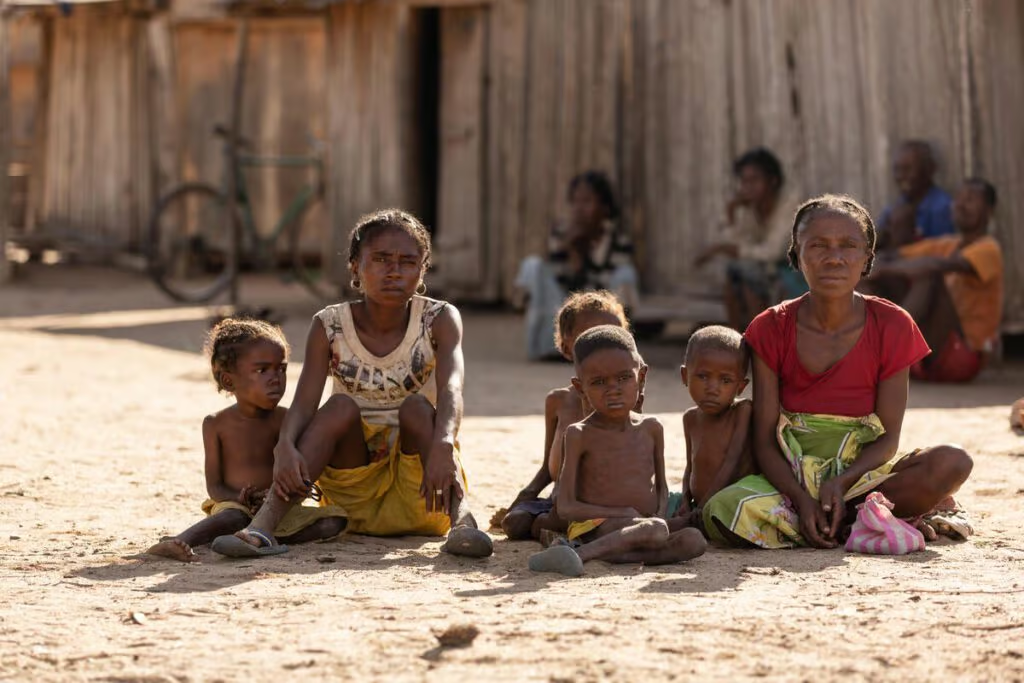
The world faces an exponential increase in hunger fueled by the climate crisis if urgent global action to help communities adapt to climatic shocks and stresses is ignored.

Without reliable access to water, food and basic health and nutrition services, Afghan children and their families are bearing the brunt of years of conflict and the current economic crisis.

WFP has completed its first round of food distributions to people affected by conflict in the Afar and Amhara regions.

WFP will suspend food assistance for more than 100,000 displaced people in parts of South Sudan starting in October as part of a prioritization exercise driven by funding shortages this year.

Through our commitment to Afghanistan, we will do everything possible to support vulnerable families in their time of great need.

WFP remains dedicated to maintaining humanity, impartiality, neutrality and operational independence as it seeks to serve the people of Afghanistan.

WFP delivered food to over a million people in the northwest and parts of southern Tigray in June and July under the second round of distributions, despite numerous challenges.

WFP warned today that its lifesaving operations in Myanmar are being held back by a major funding shortfall, with over 70 percent of its funding needs over the coming six months still unmet.