Nepal

Flood Emergency

The devastating floods and landslides killed more than 1,400 people and left thousands more in need of humanitarian assistance. WFP is supporting the government-led response with emergency food rations and logistics operations, but they need more funding to scale up and reach more survivors.
Make a difference in Nepal

Food Insecurity

Nepal is among the world’s poorest countries. Around 20% of the population lives below the national poverty line.

Frequent natural disasters, including the recent devastating floods and landslides, negatively affect people’s livelihoods and access to food. Nepal’s vulnerability to high food prices, especially in remote mountain areas, exacerbates food insecurity.

An aerial view shows houses lying deluged in sludge after flash floods at Devighat, Bidur Municipality in Nepal's Nuwakot district
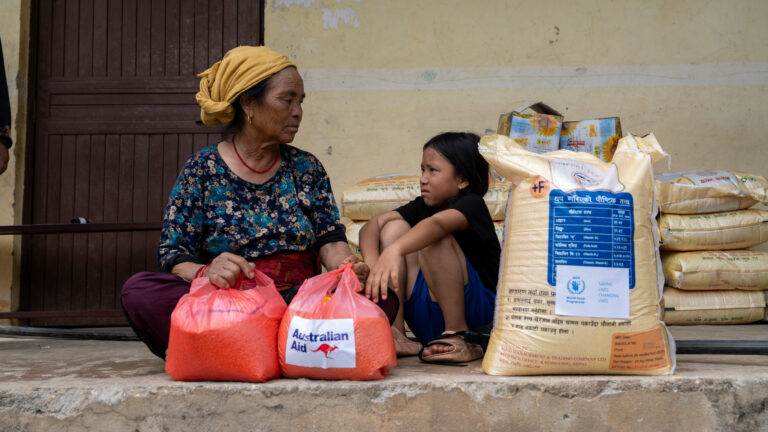
Food distribution in Archale, Kisapang Rural Municipality 5, Nuwakot District, one of the areas hardest hit by the floods
WFP scales up response in Nepal as remote communities remain isolated
WFP is scaling up emergency assistance, delivering aid and logistics support to communities cut off by damaged roads and infrastructure.

Deadly Flash Floods and Landslides

Communities in northern Nepal are grappling with the loss of loved ones, displacement, destruction of livelihoods and uncertainty following flash flooding and landslides.

WFP’s Work in Nepal

WFP has supported the people of Nepal since 1963, with a strong focus on emergency preparedness and response. Following the floods that hit in late August, WFP has provided emergency food assistance to survivors and logistics support to the wider humanitarian relief operation.
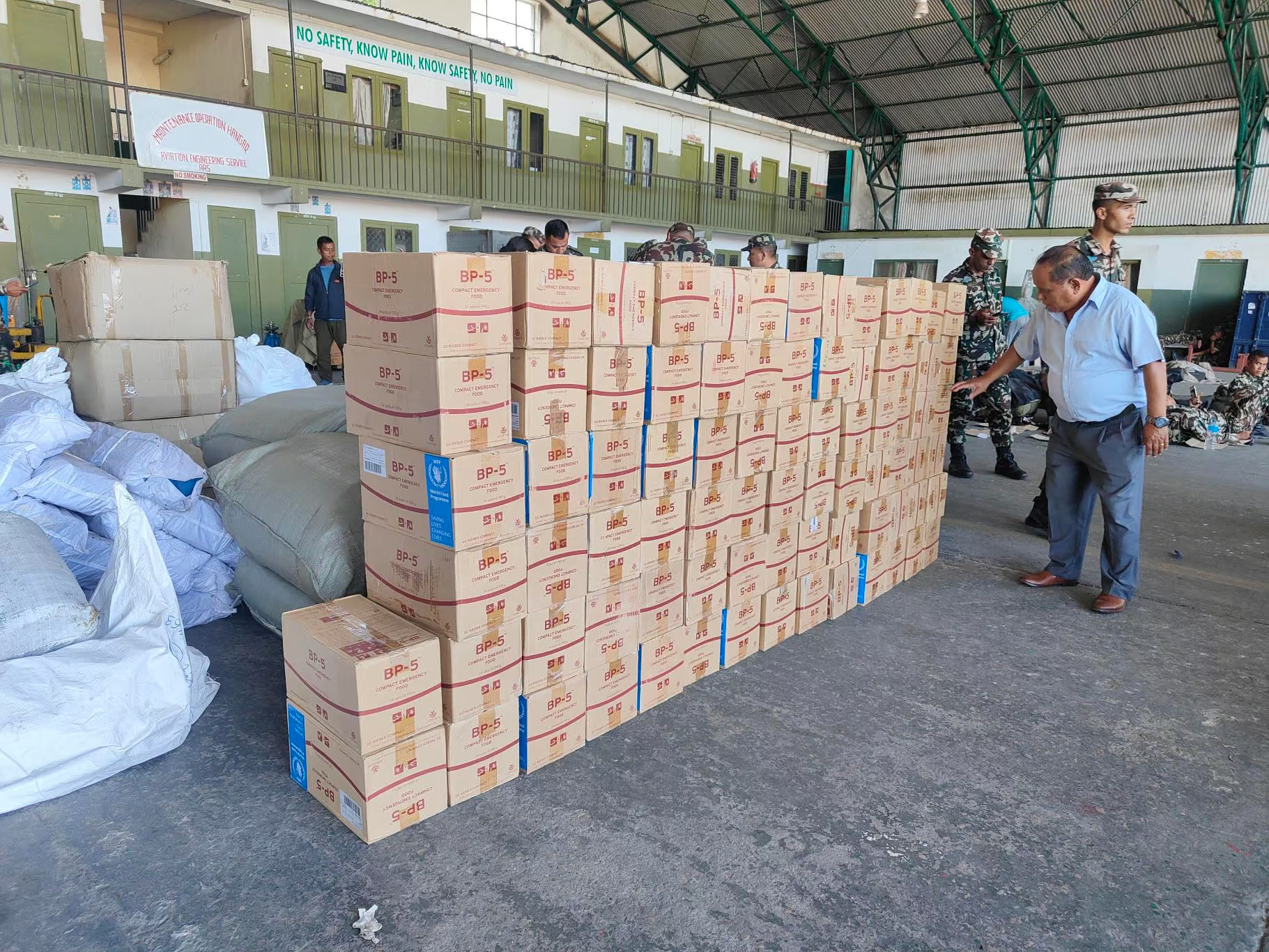
Emergency Response_Dispatch of Relief materials including relief supplies from Ministry of Home Affairs stockpiles and WFP's High energy biscuits from Kathmandu Humanitarian Staging Area (HSA)
Emergency Rations
Within 48 hours of the disaster, WFP dispatched emergency food assistance for 5,000 people in affected areas. In total, they have dispatched more than 350,000 pounds of 15-day food rations, including fortified rice, lentils, vegetable oil and iodized salt, to 15,700 people across Dhading, Nuwakot and Rasuwa. More than 44,000 pounds of food remain available in Kathmandu for distribution.
Learn More
WFP ready to eat food (high energy bicuits) uploaded on a Nepali chopper going to the affected areas.
Logistics
The floods caused severe damage to roads and bridges, cutting many communities off from aid. WFP has leveraged its logistics expertise and specialist teams to reach survivors in remote areas. For one of the first times ever in Nepal, WFP deployed drones for last-mile delivery, bringing urgently needed food to communities in Rasuwa that have remained inaccessible by both road and helicopter.
Learn More

Latest News From Nepal

WFP continues to provide lifeline for thousands one month since the deadly Nepal floods

Scroll to Top