On June 29th, World Food Program USA President and CEO Barron Segar sat down with the Executive Director of the Alliance to End Hunger, Eric Mitchell, to discuss hunger in Central America. Segar recently traveled to Honduras and Guatemala – two countries weathering the worst effects of the climate change crisis in Latin America’s “Dry Corridor” as well as violent conflict, political upheaval and the COVID-19 pandemic.
Read on for highlights from their conversation.
Mitchell: The Alliance to End Hunger is especially interested in the cross-cutting nature that hunger in Central America plays as a “push factor” for migration in addition to the pain, uncertainty and instability it can cause in-country. It would be great to hear about the goal of your visits to Guatemala and Honduras.
Segar: Central America embodies such an important part of the work we do. The number of hungry people in Central America has nearly quadrupled over two years. The region has faced some of the most identifiable consequences of climate change, and economic shocks and the COVID-19 pandemic have put many in extreme hunger.
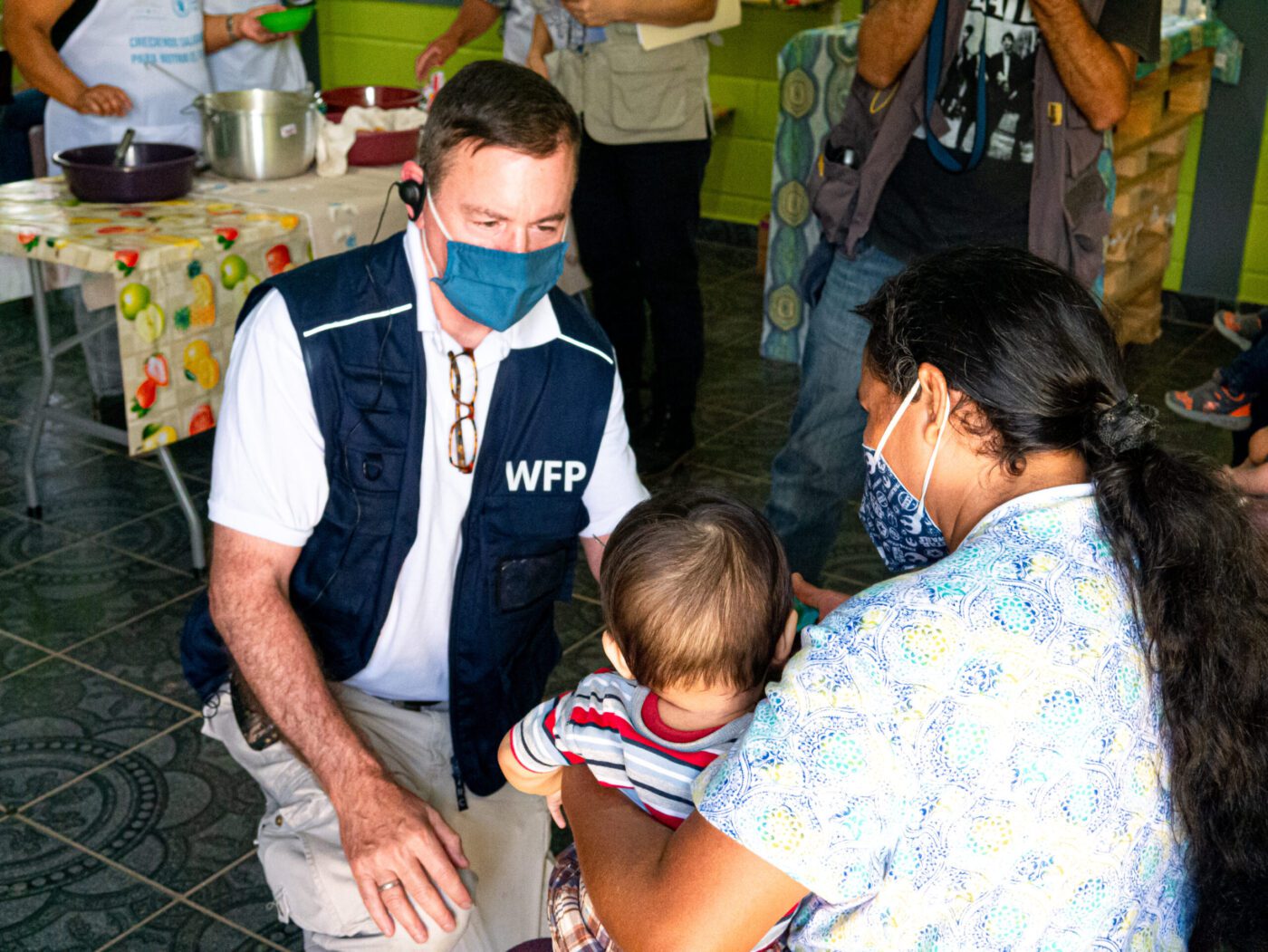
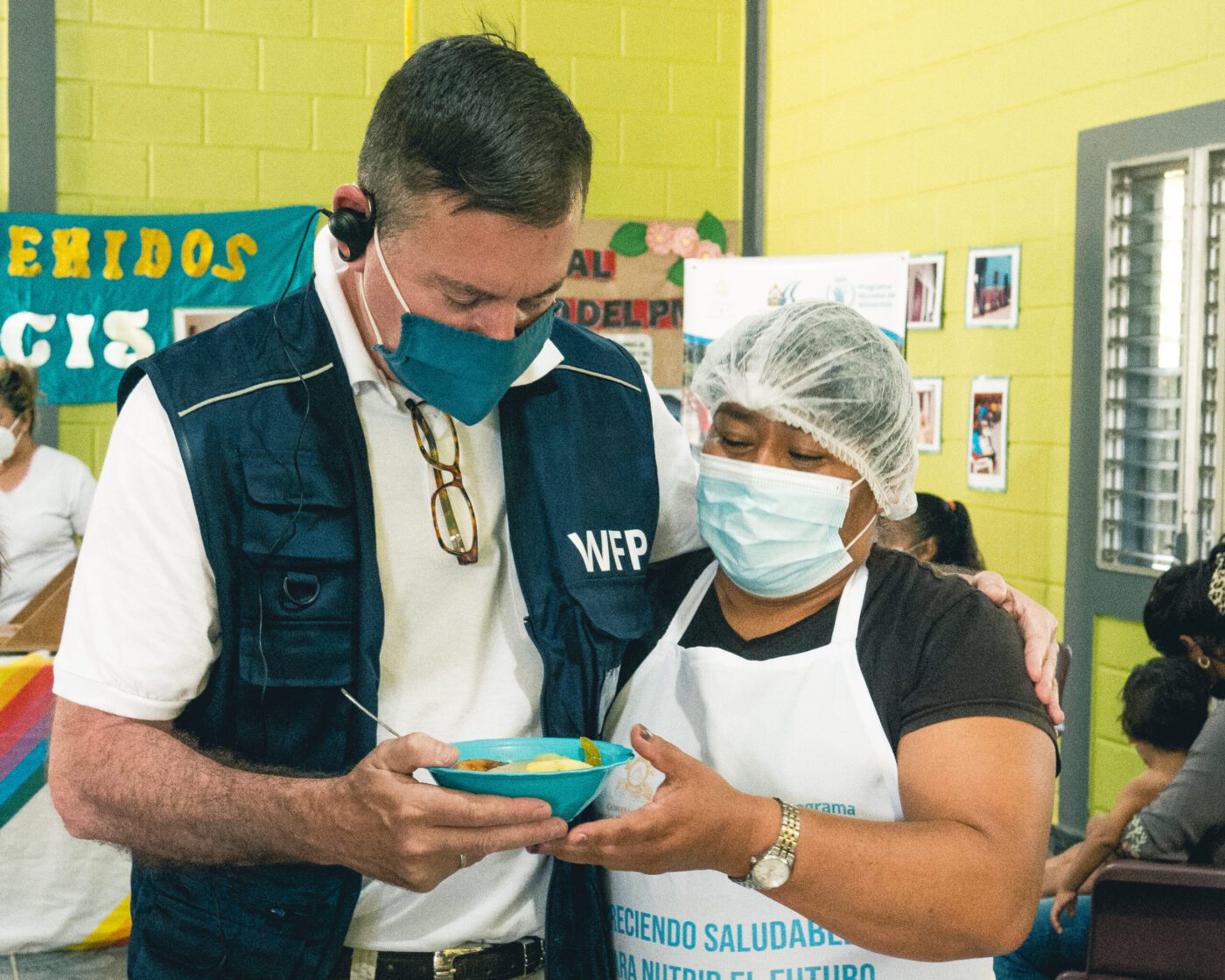
“I was so heartened and impressed by the pride, strength and resolve of the beneficiaries I met,” Segar said. “They just need some support so that they can get back on their feet and our resilience programs provide that.”
These unfortunate circumstances help explain why some Central Americans choose to migrate from their homes in search of hope: hope for food, hope for a job, hope for a better life.
Hope is key to our work. I felt it was crucial for me to visit this region and see firsthand the effect that our programs have in lifting up communities.

Mitchell: While the current crises caused by the pandemic produce a heavy toll on hungry families around the world, the places you visited have been hit exceptionally hard by the effects of climate change. What did you notice on the ground related to this?
Segar: Yes, the impact of climate shocks was very evident. Agricultural and coastal communities in the Dry Corridor have borne the brunt of a years-long climate emergency that was exacerbated by Hurricanes Eta and Iota last year.
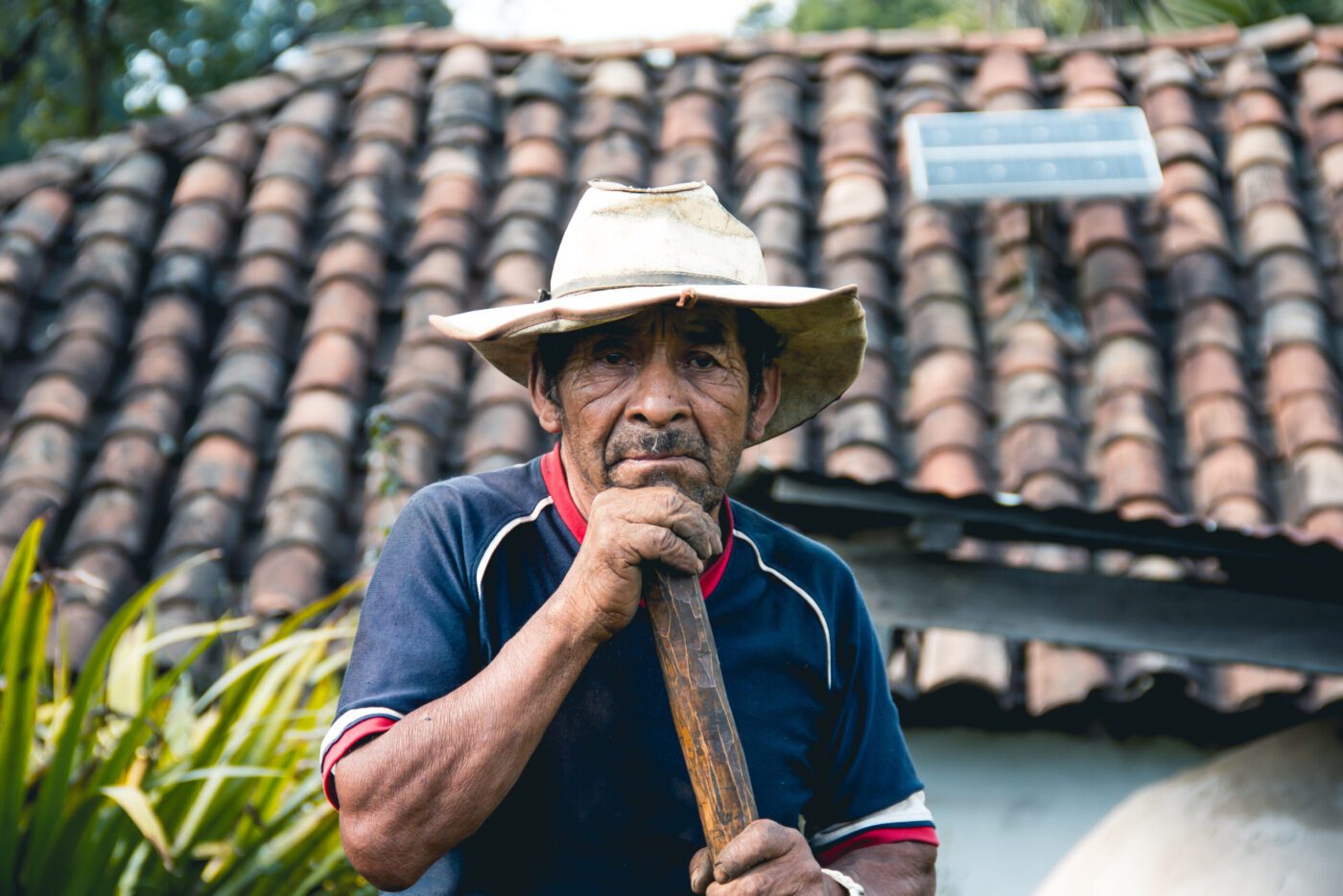
In Honduras we visited its third largest city, Choloma, which following Hurricanes Eta and Iota was severely affected by flooding, causing the destruction of homes, crops and livelihoods. Nearly 15,000 people were evacuated, almost 35,000 people were directly affected, 39 people disappeared and seven people died. Some people’s homes were almost completely under water.
Much of this damage was still evident as I walked around one community in Choloma, including the remains of a family home belonging to Amal, a beneficiary I spoke with. Many houses in the area experienced flooding and Amal’s was one of seven in the local area completely destroyed by Hurricane Eta.
What the region needs right now is emergency food assistance and effective rehabilitation, as many people are worried that what happened with Eta and Iota will happen again, and soon.
Mitchell: It would be great to hear any last impressions or overall messages you might want to get out to our Alliance coalition and the broader global anti-hunger community.
Segar: I left this field visit feeling inspired and hopeful. Good things are happening, and we are making a difference. I am encouraged by the great work happening by all NGOs and local organizations in both Guatemala and Honduras to create food security in an emergency situation and put in place effective programs that build resilience.