If you didn’t know us before, here are a few facts about the World Food Programme (WFP) that might surprise you:
1.) The World Food Programme won the Nobel Peace Prize in 2020 in recognition of our strong advocacy for the critical role of peace in ending hunger and for the use of food as a tool for peace.
2.) In 2024, we assisted 124 million people in more than 120 countries and territories.
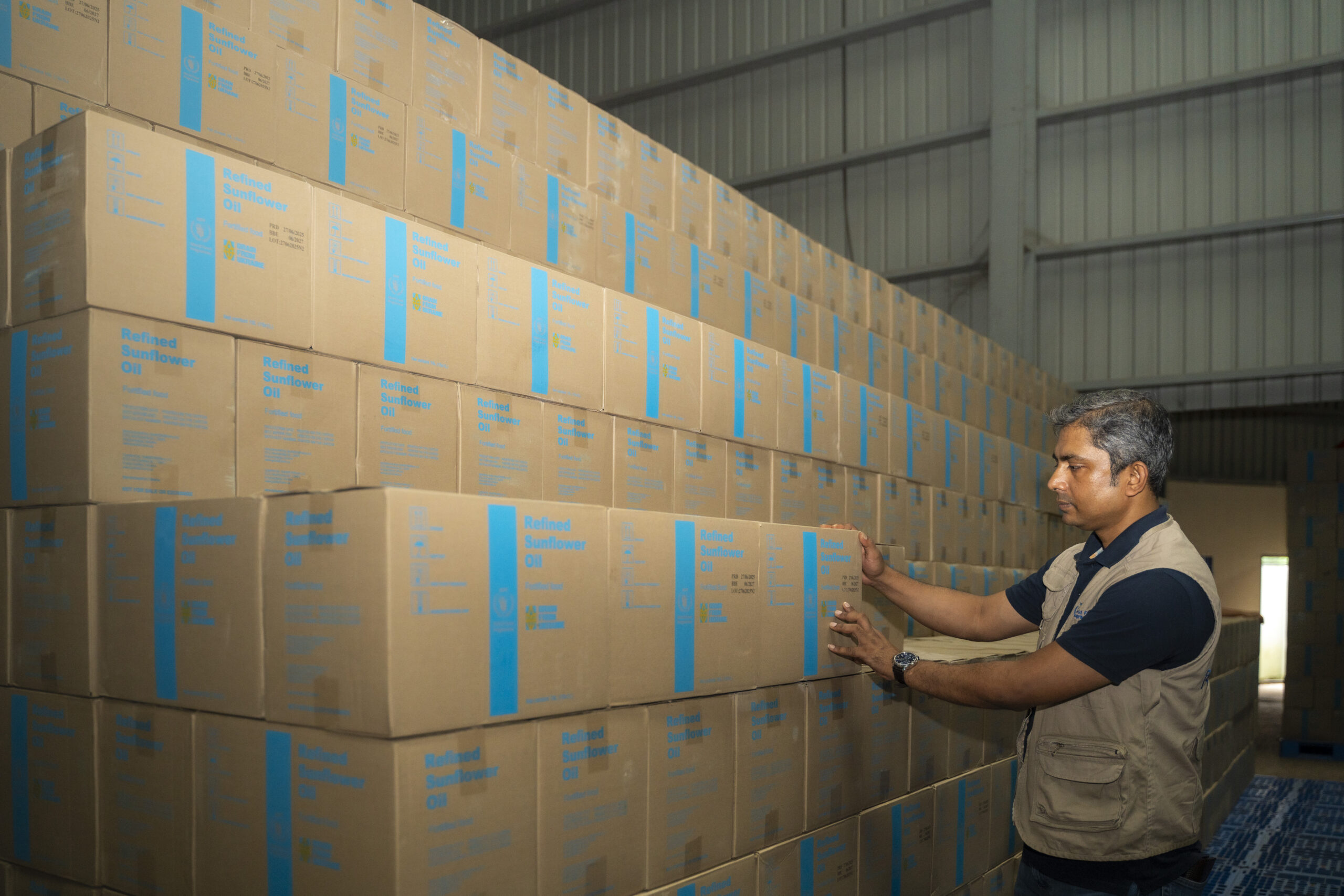
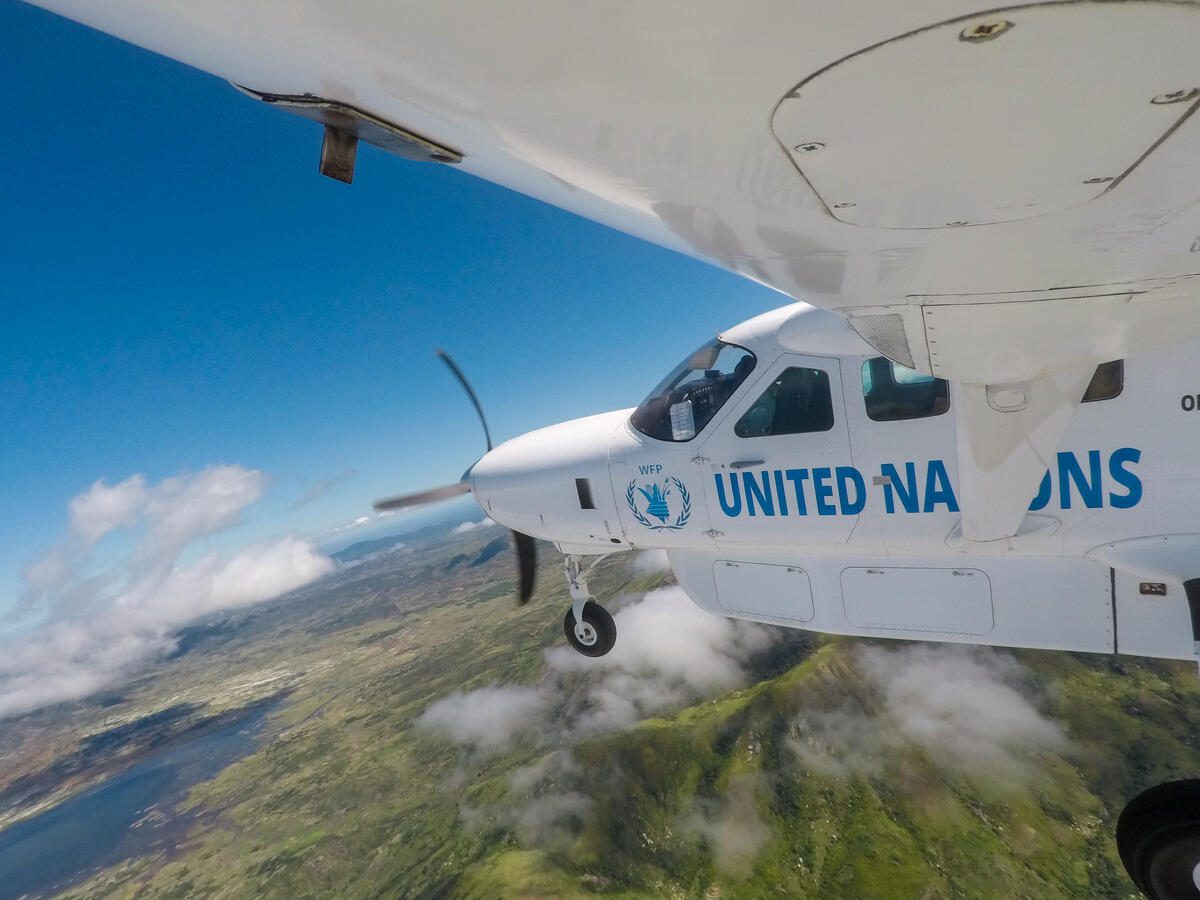
3.) Each day, the World Food Programme has up to 5,000 trucks, 20 ships and 80 aircraft on the move, delivering food and other assistance in some of the most remote and challenging parts of the world.
Related articles you might be interested in:
Is the U.N. World Food Programme a Nonprofit?
How the U.N. World Food Programme Fights Famine and Hunger
10 Innovations the WFP Uses to Deliver Food
4.) The World Food Programme is the frontline agency responding to emergencies caused by conflict, extreme weather, pandemics and other disasters.
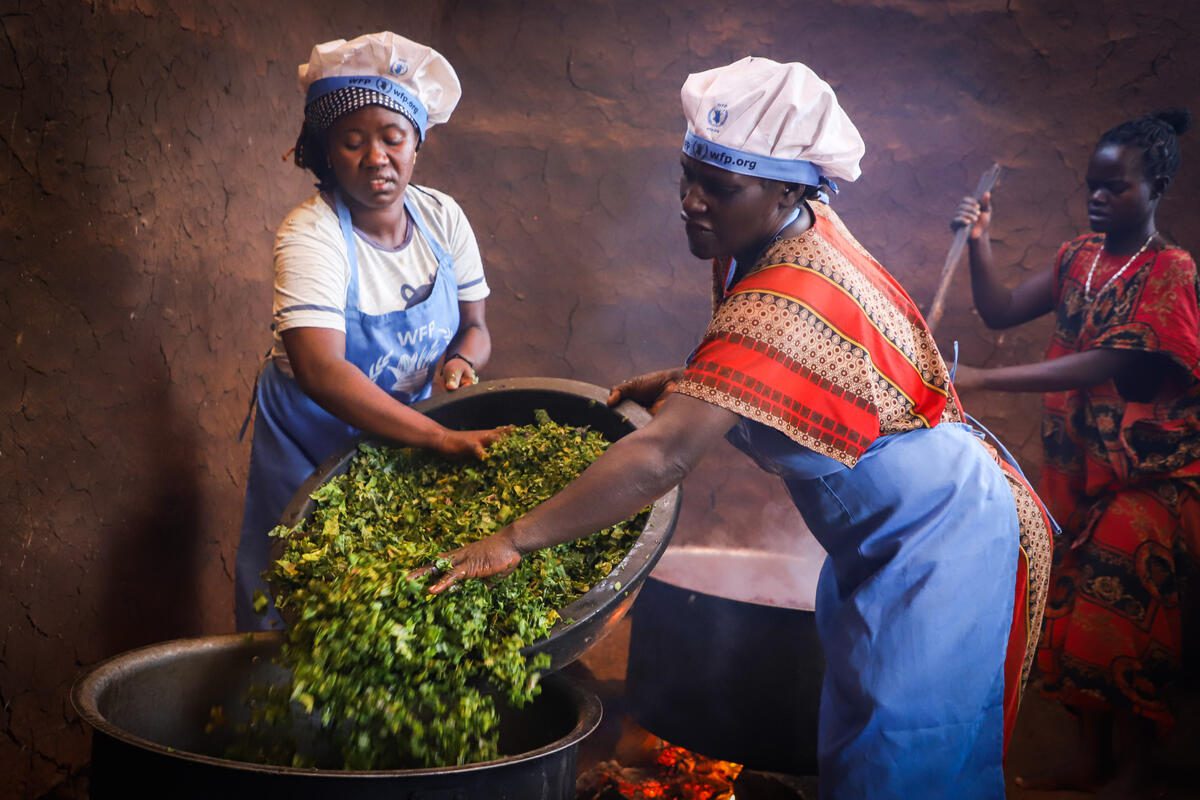
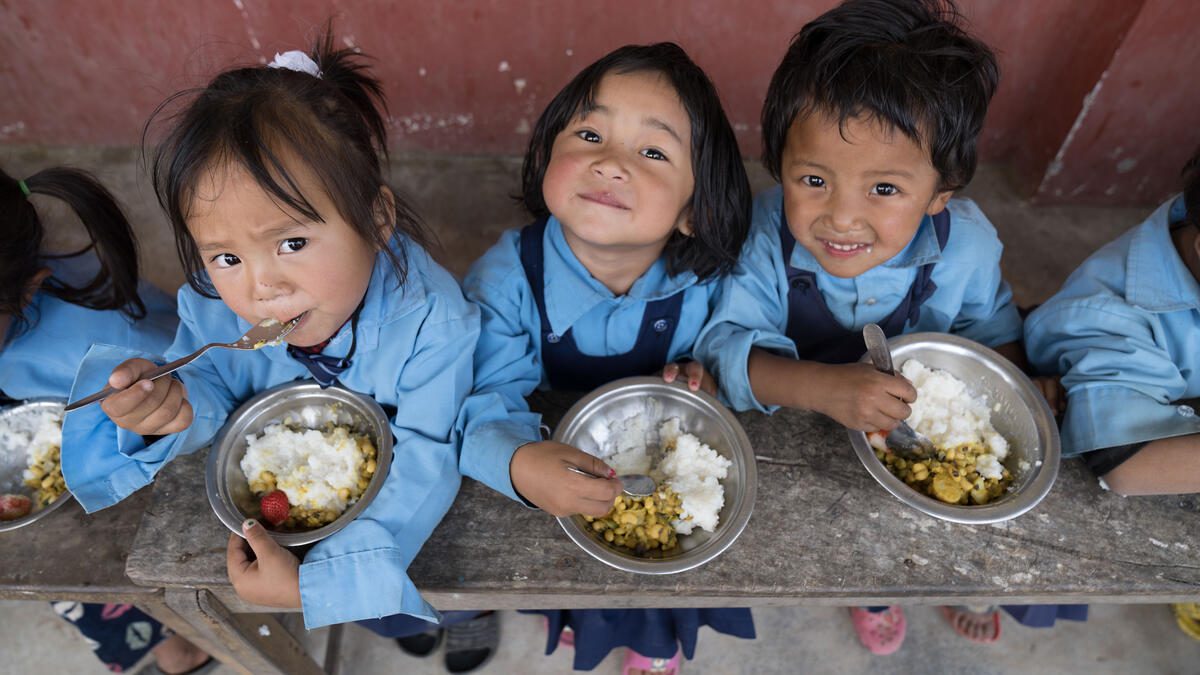
5.) The World Food Programme provides school meals to 20 million children, improving both their nutrition and their access to a potentially life-changing education.
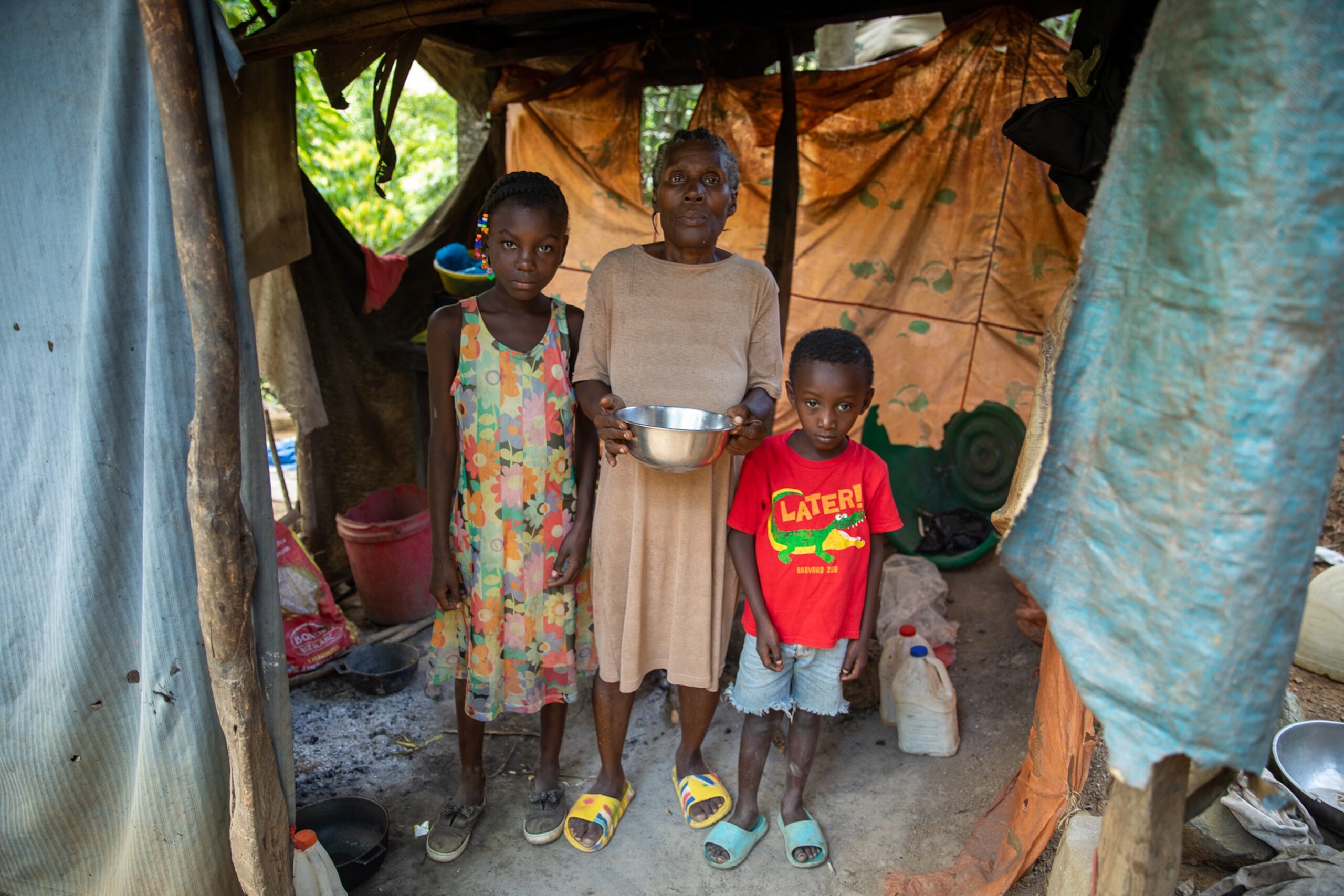
6.) The World Food Programme is facing a 40% funding shortfall compared to last year. This funding gap is pushing 58 million people, including 9 million refugees, into absolute desperation. The consequences are dire for families who rely on WFP for a single daily meal.
7.) The World Food Programme sourced $59 million dollars worth of food from small-scale farmers in 2024.

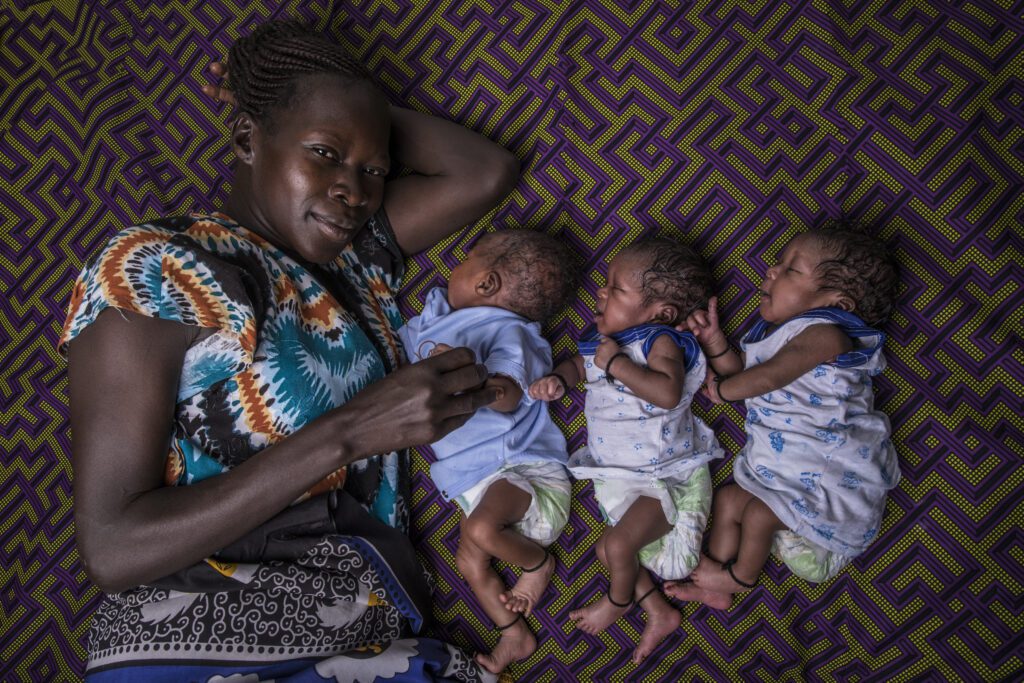
8.) In 2024, the World Food Programme reached 27.6M women and children through malnutrition treatment and prevention programs: 13.8M people were reached through treatment programs and 13.7M people were reached through prevention programs.
9.) In 2024, the World Food Programme delivered 2.5 million metric tons of food.

10.) WFP is proud to work with around 1,000 non-governmental organizations (NGOs) across the globe, from small grassroots groups to large international humanitarian agencies. 62% of WFP aid is channeled through NGOs.

11.) We are the largest cash provider in the humanitarian community. $2.2 billion dollars of assistance was provided this way in 2024. Cash increases consumer choice and strengthens local markets.
12.) More than 50% of the people we serve are women and girls.

The accomplishments of 2024 are a vital foundation as we work to bring lifesaving meals to millions more of the most vulnerable people on the planet. You can support our efforts by donating.
This post was written by Paul Anthem, Simona Beltrami and Mert Er and originally appeared on wfp.org/stories.