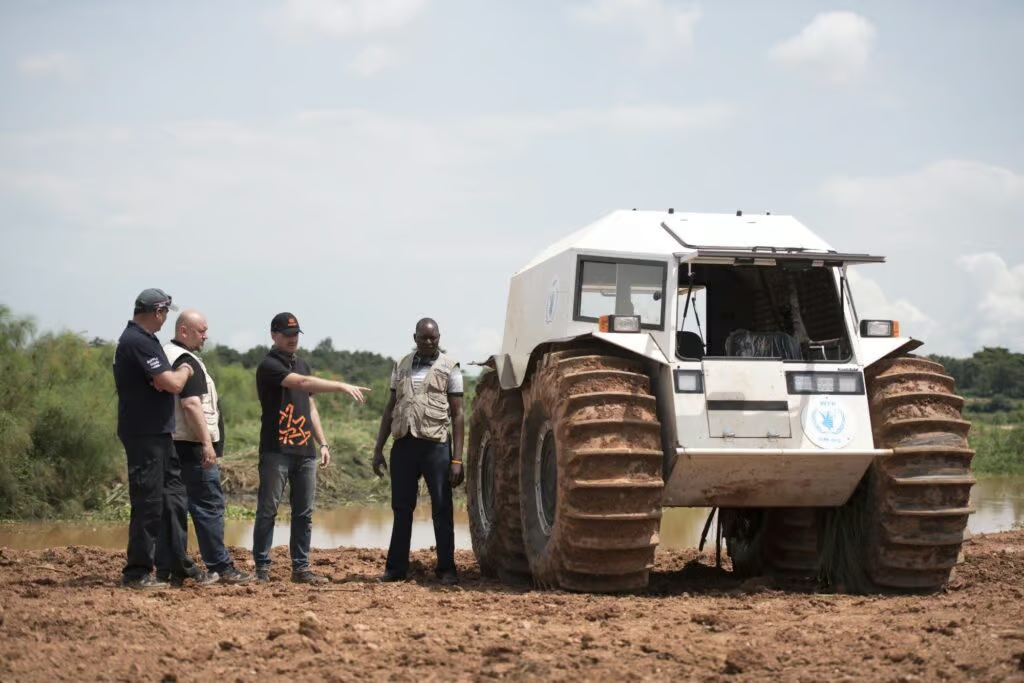
Meet SHERP: The All-Terrain Vehicle Helping WFP Save Lives in the Hardest-to-Reach Places
Meet the river fording, jungle trekking, all-terrain vehicle that’s helping WFP get food to people in the most remote places.

Meet the river fording, jungle trekking, all-terrain vehicle that’s helping WFP get food to people in the most remote places.

In fragile and conflict-hit countries, it’s not the virus itself that will do most harm. It’s the missed vaccinations, the missed education and the missed daily wages that means a family can’t eat.

Two years ago, the UN Security Council unanimously adopted Resolution 2417, banning hunger as a weapon of war. Here we reflect on its significance and what difference it’s made.
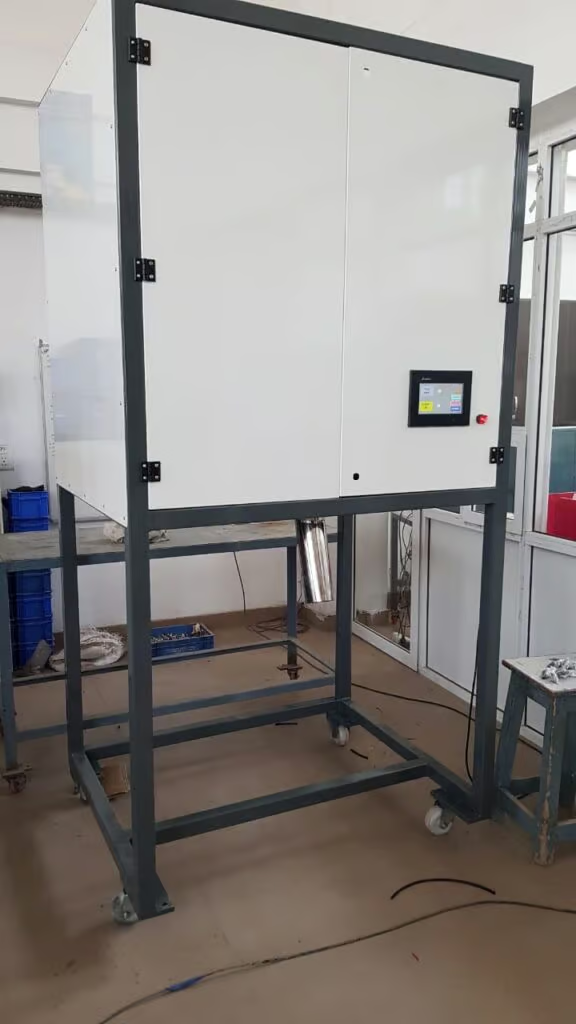
An ATM that dispenses food, a simple moisture meter, and an air-tight bag: these seemingly simple innovations could be game-changers for disrupting hunger around the world.
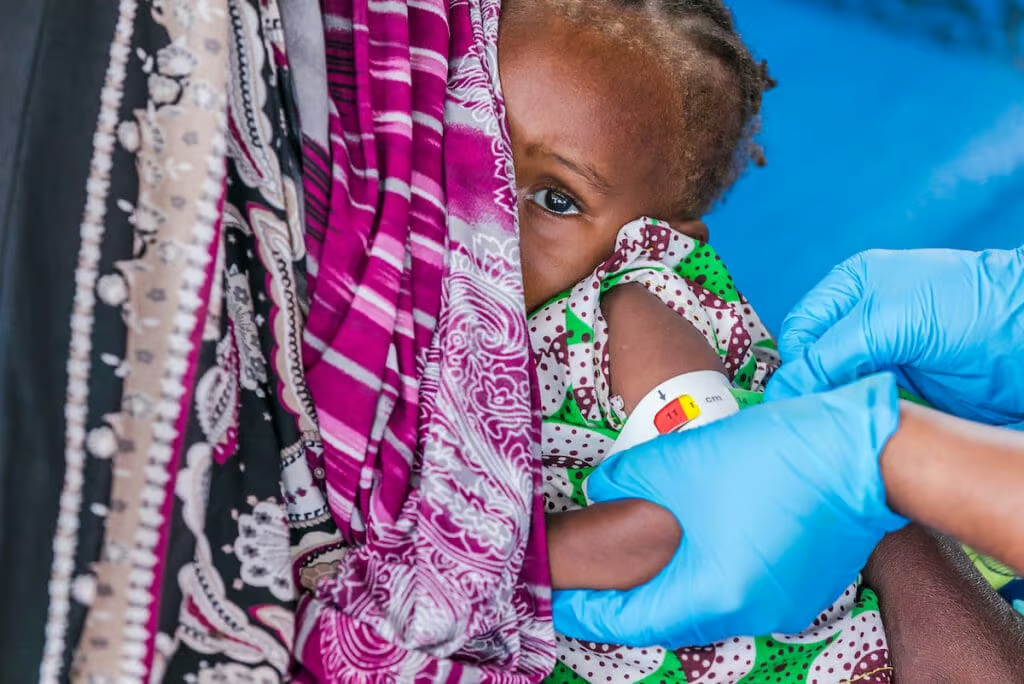
Conflict — in all of its destructive forms — is the #1 reason millions of people are suffering from hunger. The scale is difficult to comprehend.

This World Food Day, World Food Program USA is proud to announce two new grantees for the Catherine Bertini Trust Fund for Girls’ Education.

As schools start to reopen during the pandemic, governments must invest in essential school-based services. Young lives depend on it.

New recipes are changing the way Brazil treats food waste. No longer thrown away, beetroot leaves, carrot tops and pumpkin peels give more nutrients and flavor to dishes.
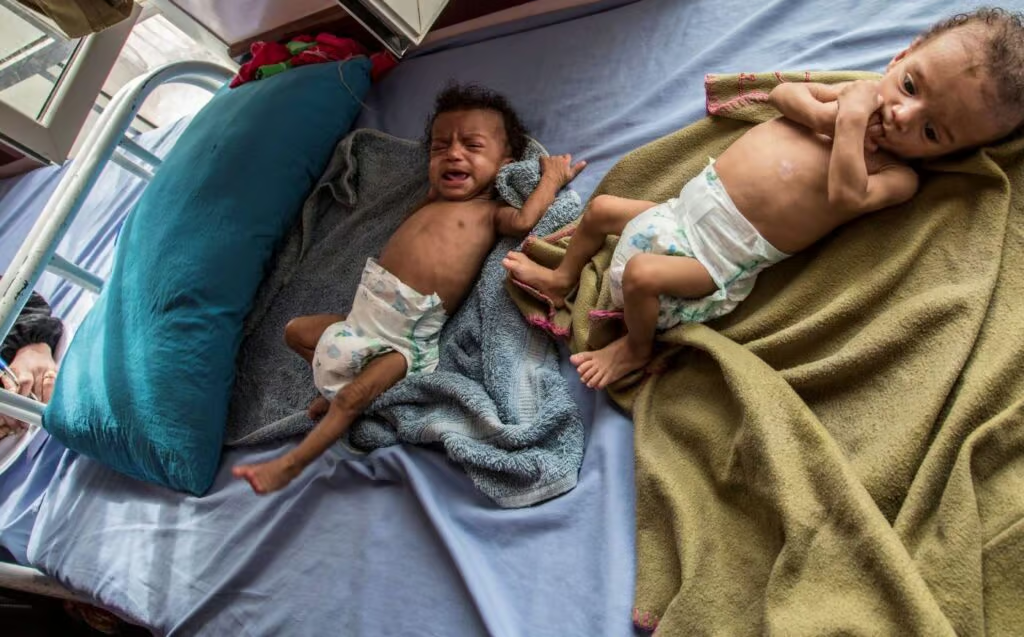
Here’s a look at our latest report on childhood malnutrition, and its crushing impact on babies and children.
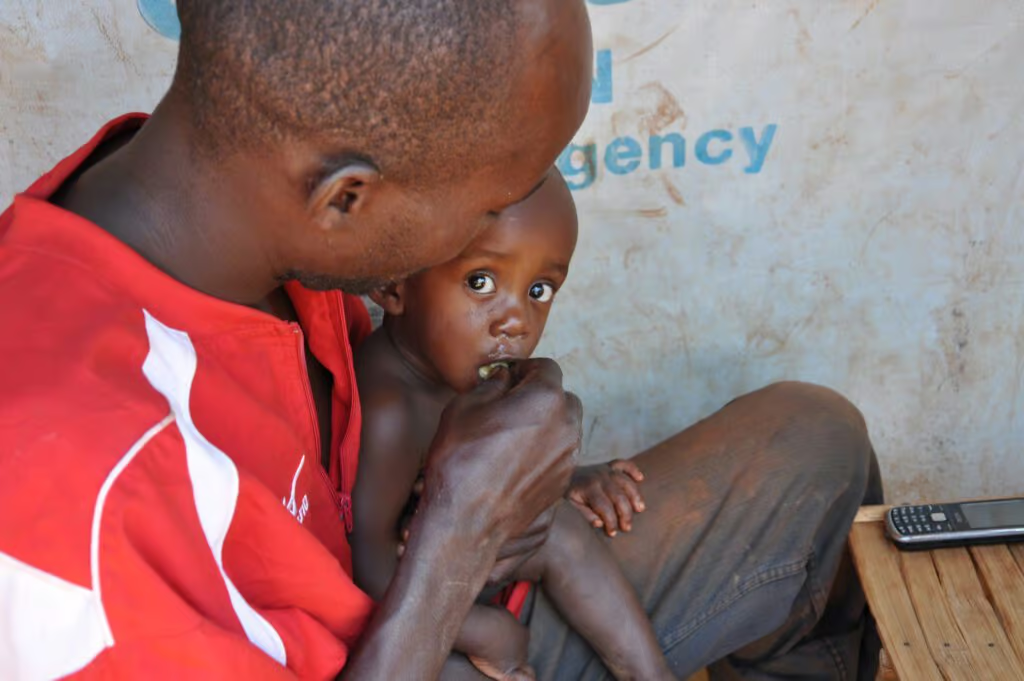
This is what happens when you take 240,000 refugees in Tanzania, mix in the latest digital solutions, and then feed the data into cutting-edge visualization tools.