Rwanda
Since the 1994 genocide and collapse of the economy and social services, the government embarked on rebuilding the country and improving its quality of life through long- and short-term development programs.

Since the 1994 genocide and collapse of the economy and social services, the government embarked on rebuilding the country and improving its quality of life through long- and short-term development programs.
Liberee Kayumba is a survivor of the 1994 genocide against the Tutsi in Rwanda and has seen the horrors of war firsthand. As a child,

There was a time when Immaculée Mukarusanga relied on farming just to feed her two teenage daughters. Now, thanks to the Farm to Market Alliance, she grows enough beans, corn and potatoes to sell at her local markets and could afford a cow.
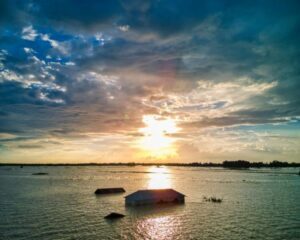
To mark Nature Photography Day, we’re looking at ten stunning photographs from some of the hungriest places on earth.
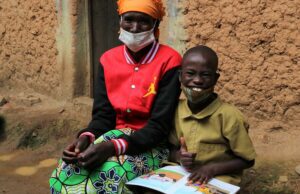
By supporting schools, the United Nations World Food Programme (WFP) boosts both health and literacy in rural areas.

A $5.3 million contribution from USAID will help WFP provide food assistance to over 104,000 Congolese and Burundian refugees in camps across Rwanda.
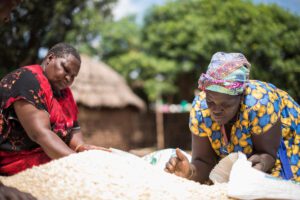
Women and girls make up half of our global community – It’s time they were included in leadership positions at every level and integrated in all spheres and stages of pandemic response and recovery.
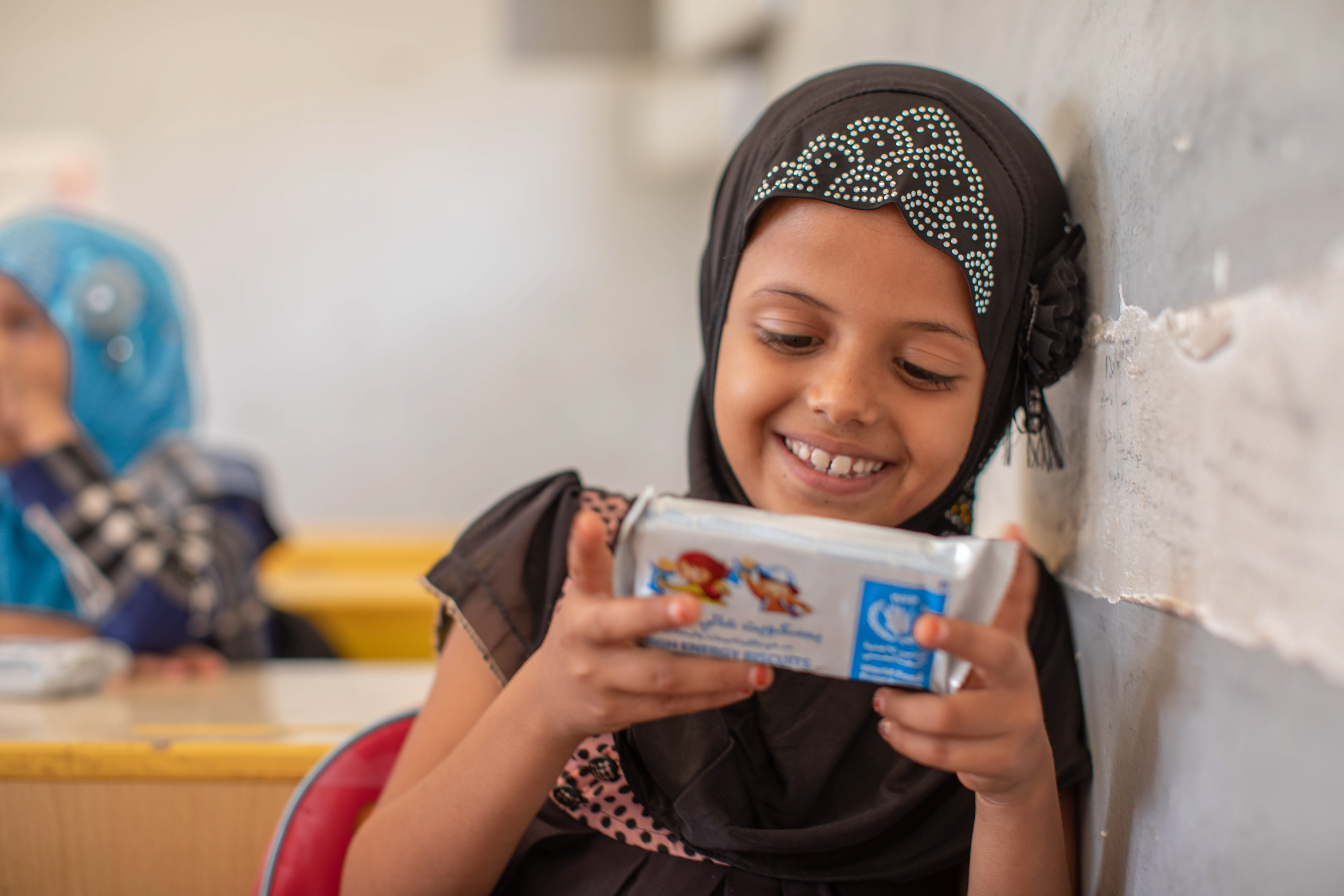
The money will enable WFP to feed about 841,000 children, which couldn’t come at a more critical time after COVID-19 closures.
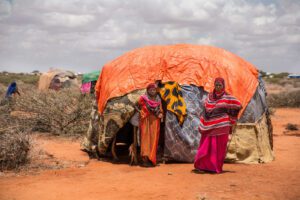
The socio-economic impact of coronavirus in East Africa and the Horn could kill more people than the pandemic itself.
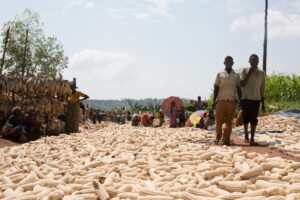
Around 70% of Rwandans work in the agricultural sector, yet they lose vast amounts of their harvest before it ever reaches their plates or markets.