Myanmar Earthquake: WFP Ready to Assist
In the wake of the 7.7 magnitude earthquake that struck central Myanmar, WFP is working to understand the current needs of affected communities and stands ready to support.

In the wake of the 7.7 magnitude earthquake that struck central Myanmar, WFP is working to understand the current needs of affected communities and stands ready to support.
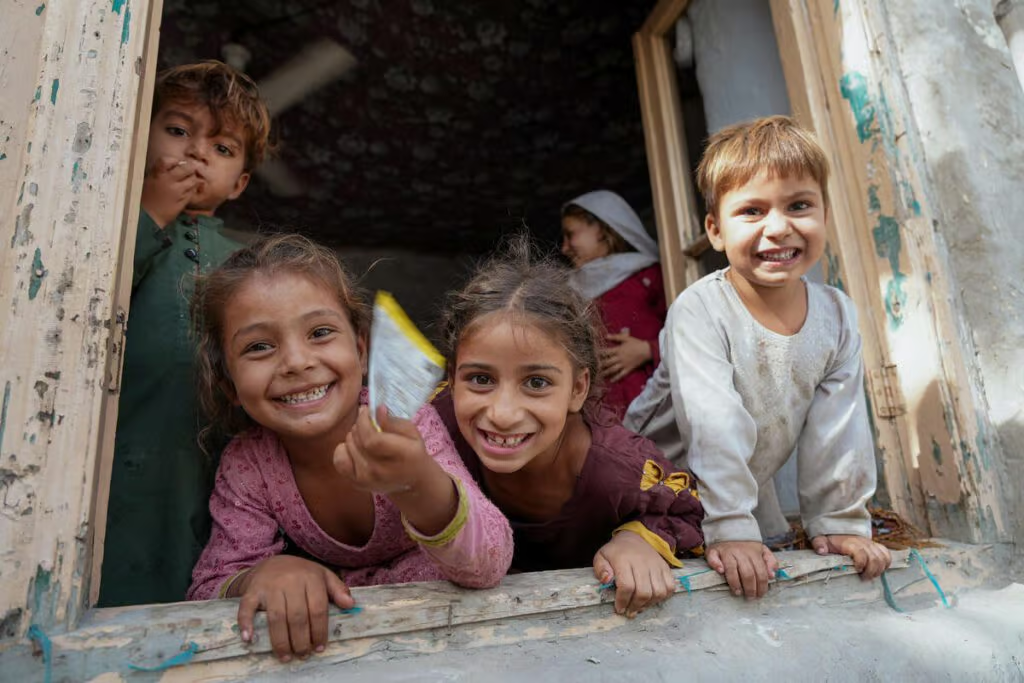
WFP in Afghanistan welcomes a contribution of $280 million from the United States of America through the U.S. Agency for International Development (USAID). This funding will allow WFP to support more than 3 million people.

WFP warns that the devastating floods that struck the northeastern and northwestern regions of Afghanistan in the past two weeks, impacting more than 80,000 people, are likely to intensify in the coming months, with a significant impact on food security.

WFP has worked in Afghanistan since 1963, providing food assistance and resilience support to vulnerable communities impacted by conflict, natural disasters and economic instability.

WFP is ramping up its efforts to assist people who have recently arrived at the Armenian border.

USAID provided 4,700 metric tons of soya beans and corn to Sri Lanka to support the continuation of the Thriposha fortified food program.

WFP is gearing up for a large-scale emergency response to Cyclone Mocha, which is expected to make landfall this Sunday in Myanmar and Bangladesh.

The climate crisis is causing more frequent and intense weather events. From droughts to hurricanes to floods, these climate extremes are causing hunger and poverty.
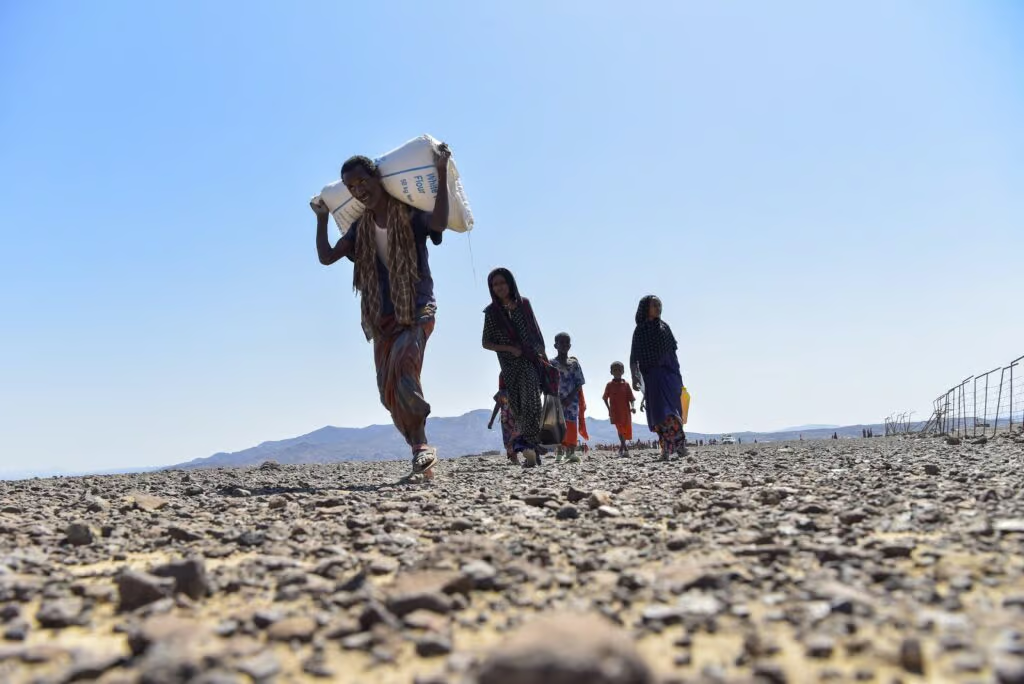
These are the 10 worst hunger crises in the world today based on where the U.N. World Food Programme works and has collected recent data. The crises are ranked by the total number of people facing severe hunger in each country.

World Food Program USA is proud to announce two new grantees for the Catherine Bertini Trust Fund for Girls’ Education: The Lamia Afghan Foundation and the Galkayo Educational Centre for Peace and Development.